
If you're wondering what does p0562 mean, it's a low system voltage code that can leave your car stalling. The Powertrain Control Module detects voltage dropping below 10.0 V and lights the MIL. This code appears on any OBD‑II vehicle, regardless of make or model.
Ignoring it can lead to battery drain and unsafe driving conditions.
Per SAE J1979, the fault is confirmed when low voltage persists for at least two seconds. The code sets after two consecutive drive cycles, then the MIL stays illuminated until cleared. In our research, drivers report sudden stalls in traffic as the most common symptom.
Let's explore why this matters and how to fix it.
What Does P0562 Mean
P0562 signals the Powertrain Control Module detected system voltage below 10.0 V. The code sets the MIL after two consecutive drive cycles. It applies to all makes and models using OBD‑II.
Ignoring it can cause battery drain and unsafe stalls.
Why It Matters: Safety and Vehicle Health
Low voltage compromises the ECU, which needs stable power to manage fuel injection and ignition. A weak battery can fail to start the engine, while a failing alternator won't recharge the battery. Both conditions increase the risk of sudden stalls, especially under load.
Image source: Wikimedia Commons / Averitt, Robert W
Battery drain from a faulty alternator can lead to a dead battery, requiring a costly replacement. The code also triggers a state inspection failure in most jurisdictions, as the MIL must be cleared. NHTSA vehicle inspection guide notes that unresolved DTCs prevent registration renewal.
If the voltage regulator sticks open, the alternator may over‑charge, damaging the battery and ECU. Conversely, a broken regulator can cause voltage to drop too low, triggering P0562. Both scenarios require a technician to test the regulator with a multimeter.
A simple multimeter test confirms whether voltage stays between 13.5 and 14.5 V at idle. If you need to protect the cargo area, learn about tonneau cover options.
In summary, addressing P0562 protects the battery, ensures safe operation, and keeps the vehicle legal. Next, we'll walk through the step‑by‑step diagnosis and repair process. Following the correct workflow also helps avoid common misdiagnoses.
How to Diagnose and Fix Low System Voltage
Start by connecting an OBD‑II scanner to confirm P0562 and capture freeze‑frame data. If you don't have a scanner, borrow one or visit a shop; choosing a scanner can guide you. Record the measured battery voltage at idle and under load.
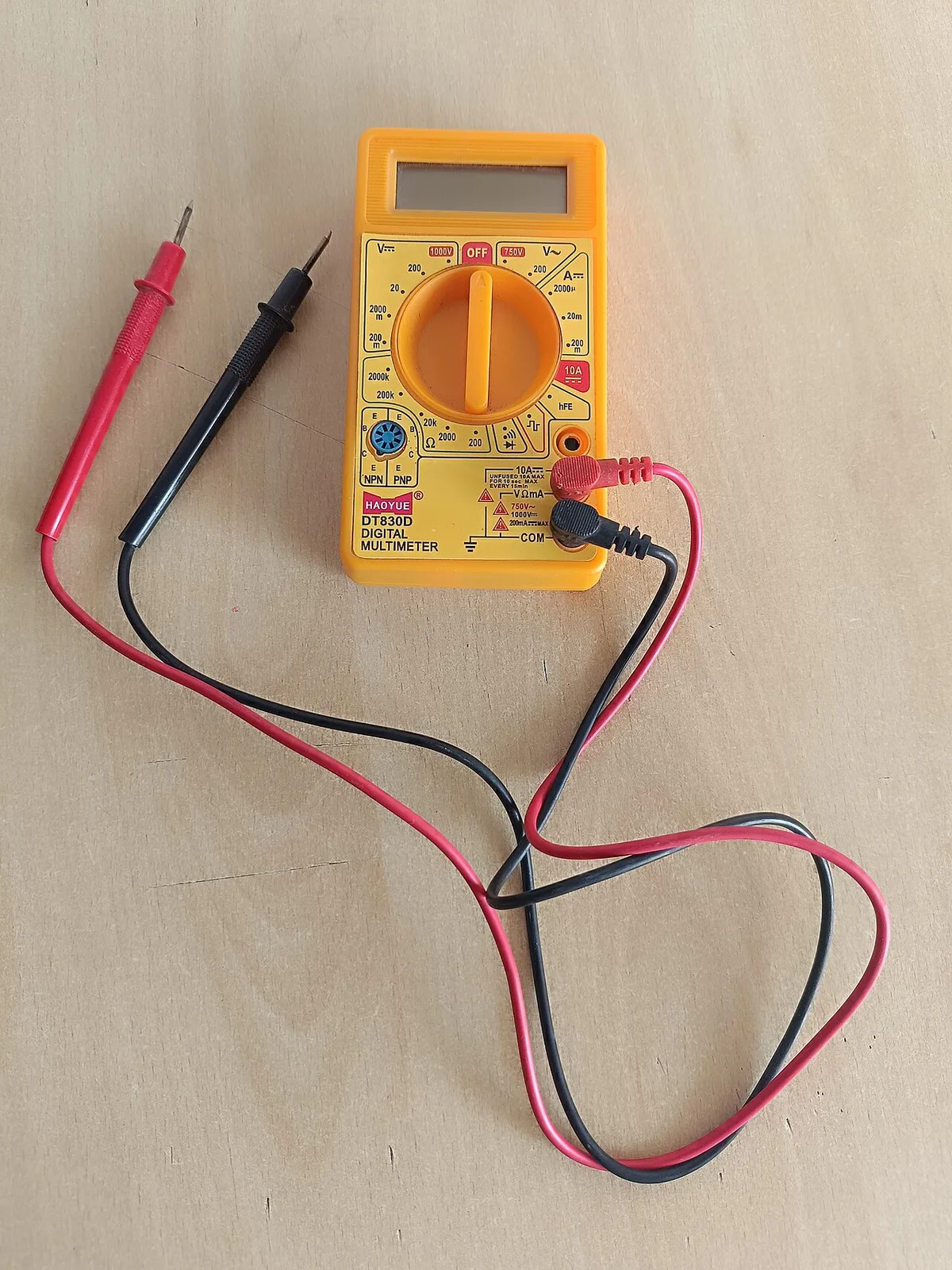
Image source: Wikimedia Commons / K.Venkataramana
Measure battery voltage with a digital multimeter; expect 12.6 V at rest and 10.0 V under load to confirm the fault. If voltage is higher, test the alternator output using a load tester. A healthy alternator should produce 13.5‑14.5 V at idle and maintain voltage when the engine runs.
If output is low, inspect the alternator belt, bearings, and voltage regulator.
Test the voltage regulator by disconnecting it and checking alternator output again; a rise to normal range indicates a faulty regulator. Inspect wiring harnesses and connectors for corrosion, especially near the battery and alternator. Replace any corroded terminals and clean the battery posts with a wire brush.
After repairs, clear the DTC with the scanner, road‑test for two drive cycles, and re‑scan.
If the code returns, consider replacing the alternator or battery, depending on test results. For persistent issues, consult a certified technician; safe starter fluid practices may be needed if you plan to remove the starter for testing. This workflow follows SAE J1979 standard diagnostic procedures.
Following these steps typically resolves P0562 within one service visit.
| Item | Purpose | Typical Cost |
|---|---|---|
| OBD‑II scanner | Read and clear DTCs | $20‑$150 |
| Digital multimeter | Measure voltage | $10‑$30 |
| Load tester | Test alternator output | $15‑$40 |
| Wire brush | Clean battery terminals | $5 |
| Replacement alternator or battery | Repair root cause | $100‑$300 |
Mistakes to Avoid & When to Get Professional Help
A common mistake is replacing the battery first without testing the alternator; this can waste money and leave the real issue unresolved. Another error is ignoring corroded connectors, which cause intermittent voltage drops and false codes. Some DIYers clear the DTC without fixing the problem, leading the MIL to reappear immediately.
If the voltage regulator is stuck, the alternator may over‑charge, damaging the battery and ECU. As of 2026, many states require the MIL to be cleared before registration.
If you lack a multimeter or scanner, skip the DIY route and head straight to a shop. When the code persists after replacing both battery and alternator, the PCM may have failed, requiring dealer service. Complex wiring harnesses in modern vehicles are best handled by a certified technician.
Our hand placement guide can help you stay safe while working under the hood. When tightening lug nuts after a wheel change, follow our impact wrench guide to avoid over‑torquing.
Finally, never clear the MIL before confirming the repair; this can cause the vehicle to fail inspection. If you're unsure, schedule a diagnostic appointment; many shops offer a free code read. Professional service ensures the root cause is identified and repaired correctly.
Remember, safe starter fluid practices are only for specific situations; misuse can damage the engine.
Frequently Asked Questions
What causes P0562 to appear intermittently?
Intermittent voltage drops often result from loose connections, a failing alternator, or a battery that can’t hold a charge under load. Driving in stop‑and‑go traffic stresses the charging system, making the code appear only when the load spikes. A multimeter test under load will reveal the pattern.
Can a bad battery trigger P0562?
Yes, a weak battery can cause the PCM to see low system voltage, especially if the alternator isn’t compensating. However, the code usually points to the charging system first. Testing both the battery and alternator helps pinpoint the true culprit.
How long does it take to replace an alternator?
Most alternator replacements take 1 to 2 hours for a skilled DIYer, longer for a novice. The job involves removing the belt, disconnecting wiring, and unbolting the unit. After installation, verify output with a load tester before clearing the code.
Do I need a special scanner to read P0562?
Any OBD‑II scanner that supports generic DTCs can read P0562; you don’t need a dealer‑specific tool. Basic scanners show the code and freeze‑frame data, which is enough for diagnosis. For deeper data, a professional scan tool provides live voltage readings.
Is P0562 covered under warranty?
If the vehicle is under the manufacturer’s powertrain warranty, the repair may be covered, but warranty terms vary by make and mileage. Check your warranty booklet or contact the dealer with the VIN. Aftermarket parts installed by the owner typically void coverage for related issues.
