
What does p0600 mean? It signals a fuel rail pressure sensor circuit fault. The code is stored by the powertrain control module when voltage readings fall outside expected ranges.
Ignoring it can lead to rough idling, stalling, or fuel system damage.
Per SAE J2012 standard, the code indicates an open, short, or out‑of‑range voltage in the sensor circuit. A typical fuel rail pressure at idle should read between 30 and 45 psi, per manufacturer specs. If you see the code after a battery disconnect, check the sensor harness first.
Let’s break down what this means and how to fix it.
What Does P0600 Mean
P0600 is a generic OBD‑II code for a fuel rail pressure sensor fault.
It reports a circuit malfunction to the powertrain control module.
The sensor measures fuel pressure between 30 and 45 psi at idle.
An open, short, or out‑of‑range voltage triggers the code.
Ignoring it can lead to poor performance and potential engine damage.
Core Explanation
The fuel rail pressure sensor monitors fuel pressure and sends voltage to the PCM.
If the voltage is too low, too high, or interrupted, the PCM logs P0600.
Common causes include a damaged wiring harness, corroded connector, or faulty sensor.
Replace the sensor or repair the harness to restore proper readings.
After replacement, clear the code and verify pressure with a gauge.
Why P0600 Is Critical – Safety, Performance, and Cost
- Safety: Fuel leaks from a faulty sensor can create fire hazards.
- Performance: Incorrect pressure causes rough idle, stalling, and reduced fuel economy.
- Cost: Ignoring the code may lead to expensive fuel pump or injector replacement.
For accurate diagnosis, consider choosing a scanner that displays live pressure data.
Per the NHTSA OBD‑II guide, unresolved P0600 can affect emissions compliance.
Image source: Wikimedia Commons / Sludge G (CC BY-SA)
How to Diagnose P0600 – Tools, Tests, and Decision Flow
| Tool | What to Check | Typical Reading |
|---|---|---|
| OBD‑II scanner | Read DTCs, view live data | P0600 present, pressure 30–45 psi |
| Multimeter | Sensor voltage, continuity | 0.5–1.5 V at idle, no open circuit |
| Fuel pressure gauge | Verify rail pressure | 30–45 psi idle, 80–120 psi under load |
| Torque wrench | Sensor bolt torque | 10 Nm (manufacturer spec) |
- Connect the scanner and record all DTCs.
- Inspect the sensor harness for cuts or corrosion; repair if needed.
- Test sensor resistance with a multimeter; replace if out of spec.
- Confirm actual fuel pressure with a gauge; adjust or replace components as required.
- Clear the code, perform a test drive, and re‑scan.
Following a repair guide, such as following a repair guide, helps keep steps organized.
Mistakes That Make It Worse – Wiring, Sensors, and Ignoring the Code
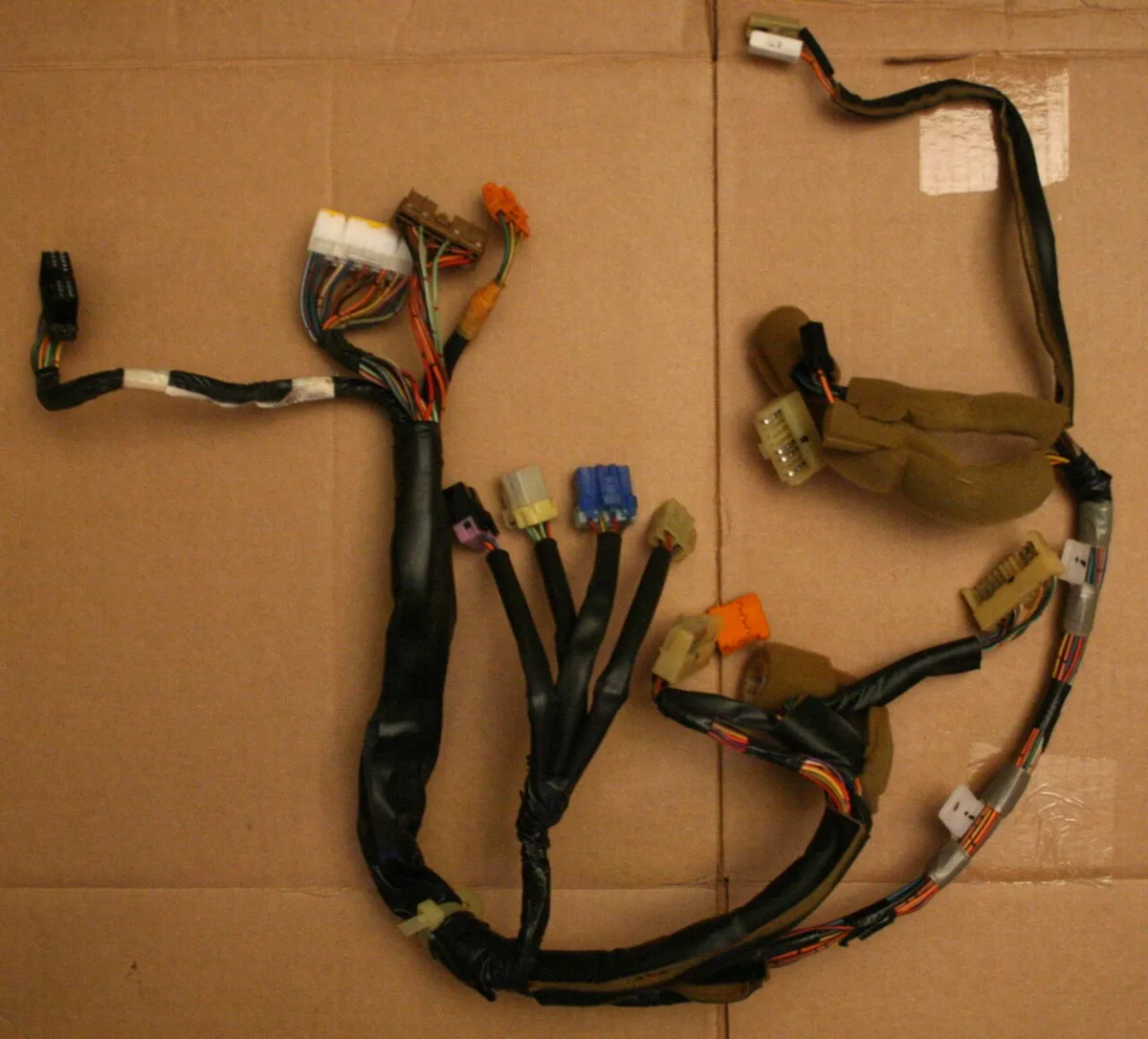
Image source: Wikimedia Commons / Ildar Sagdejev (Specious) (CC BY-SA)
- Damaged harness: Frayed wires cause intermittent voltage drops.
- Corroded connector: Poor contact leads to false readings.
- Using the wrong sensor: Aftermarket units may not match resistance specs.
- Skipping the clear code step: The PCM may keep the flag active.
- Driving with the code: Can worsen fuel system components.
For proper wiring, refer to wiring best practices and keep connectors clean.
FAQs & When to Get Professional Help – Your Decision Guide
What causes P0600 to return after clearing?
A damaged harness, corroded connector, or a sensor that still reads out of range will trigger the code again. Replace or repair the faulty component before clearing.
Can I drive with P0600?
You can drive short distances, but the engine may run poorly and fuel consumption will increase. Continued driving risks further damage.
Do I need a dealer to fix P0600?
Most DIY mechanics can replace the sensor and repair wiring with basic tools. If the PCM needs reprogramming, a dealer or certified shop is recommended.
How much does P0600 repair cost?
Sensor replacement typically ranges from $100 to $250 for parts, plus $100 to $200 for labor. Wiring repairs are usually cheaper, around $50 to $150.
