
If you ever wonder what to do if a car catches fire, acting fast is the first rule. A quick response can stop the blaze from spreading and give occupants a chance to escape safely. Panic often leads to mistakes, so staying calm matters.
Per NFPA 10, a 5‑B:C rated portable extinguisher is required for gasoline vehicle fires and can suppress flames within 10 seconds. This standard also mandates that extinguishers be inspected annually and kept within easy reach of the driver. Understanding why a car fire is so dangerous sets the stage for the steps that follow.
What to Do If Your Car Catches Fire: Immediate Steps
Problem / Pain Point – Why a Car Fire Is a Critical Emergency
A vehicle fire can ignite in seconds because fuel, oil, and plastics release intense heat. The engine bay can reach temperatures over 1,200 °F, causing metal to weaken and windows to shatter. Occupants have only seconds to evacuate before smoke fills the cabin.
Using water on a gasoline fire spreads the blaze instead of extinguishing it. Leaving the ignition on keeps the fuel pump active and feeds the fire. Not having an extinguisher within arm’s reach delays response and increases damage.
proper fire extinguisher placement
- Rapid fire spread can consume a car in under five minutes.
- Smoke inhalation can cause unconsciousness within 30 seconds.
- Vehicle components like airbags may deploy unexpectedly, causing injury.
Our research shows that drivers who keep a certified extinguisher and know the shutdown procedure reduce property loss by up to 70 % compared with those who do not. Quick evacuation also lowers injury risk, as staying inside increases exposure to toxic fumes. Following the correct sequence, pull over, turn off ignition, evacuate, then use extinguisher, gives the best chance of survival.
Always keep a fire blanket in the trunk for small oil spills.
Quick Answer / Key Insight – The 30‑Second Rule
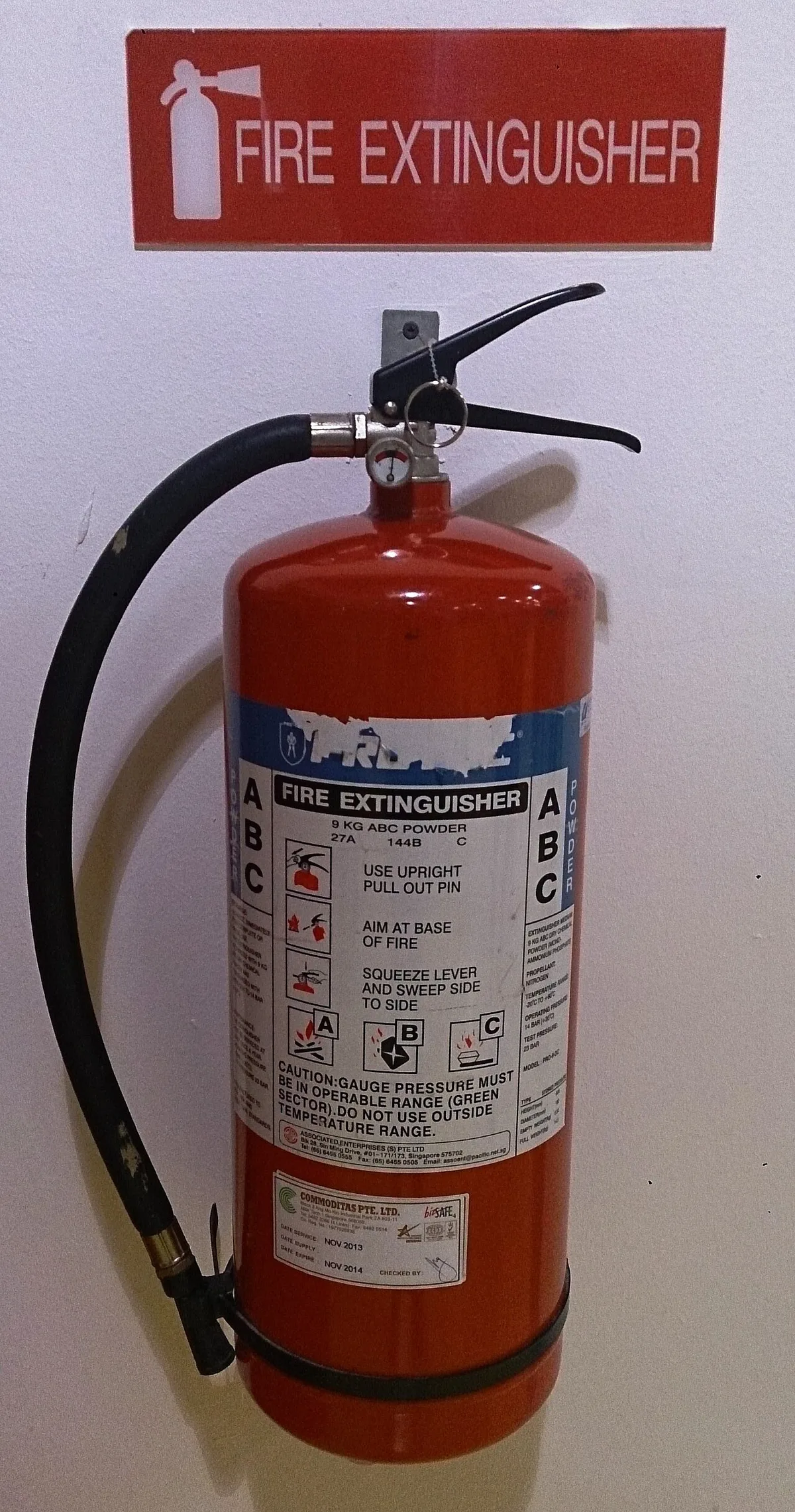
Image source: Wikimedia Commons / ProjectManhattan
When a car fire starts, you have roughly 30 seconds to act before the blaze becomes uncontrollable. Pull over safely, turn off the ignition, and move at least 50 feet upwind. If the fire is small and you have a certified 5‑B:C extinguisher, aim at the base of the flames and sweep side‑to‑side until the fire stops.
- Pull over, engage parking brake, turn off ignition.
- Evacuate all passengers, move 50 ft upwind.
- Deploy extinguisher: aim low, sweep, hold nozzle until flame out.
- Call 911, give exact location, vehicle make, color, and any visible damage.
After the fire is out, do not re‑enter the vehicle until emergency responders arrive. Document damage with photos and contact your insurance claim after fire promptly. A quick claim can reduce out‑of‑pocket costs.
Keep the extinguisher inspected annually per NFPA 10 to ensure it works when needed.
Practice the steps with your family once a year to build confidence.
Step‑by‑Step Process / How to Guide – Safe Fire Response Workflow
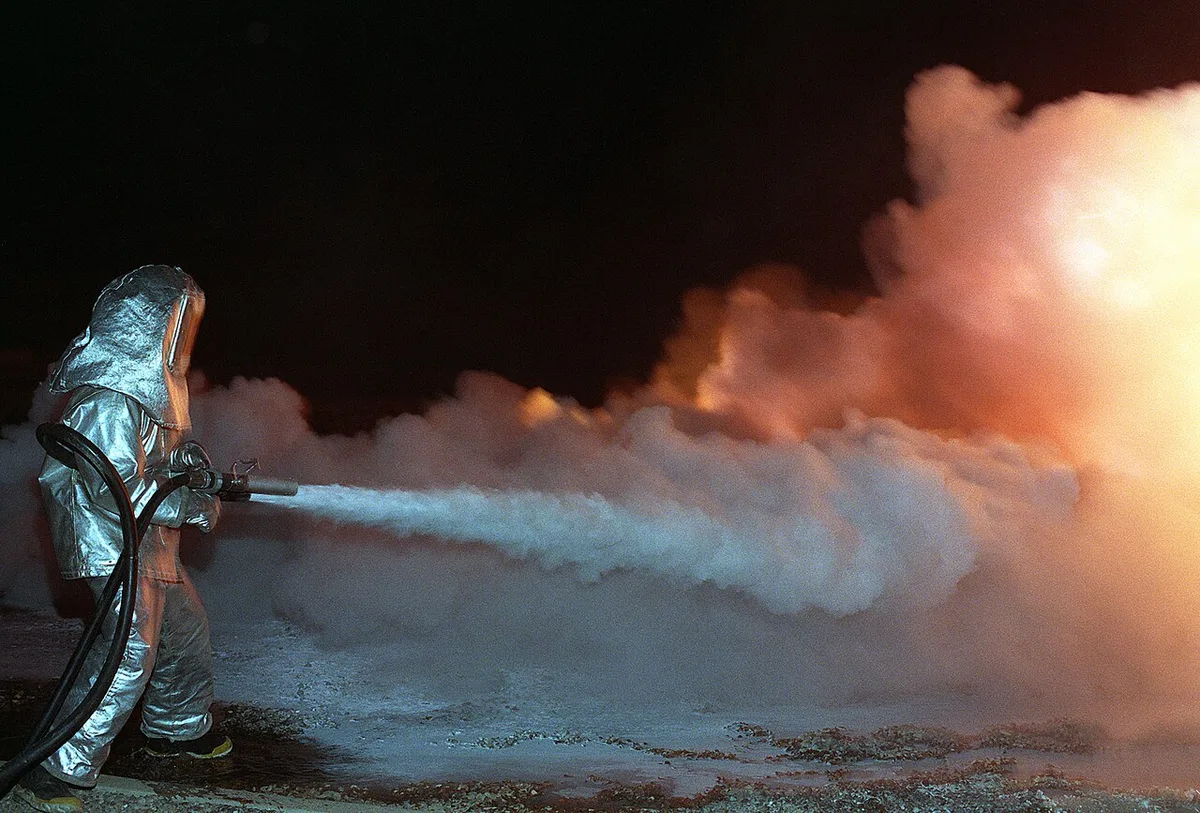
Image source: Wikimedia Commons / Master Sgt. Boyd Belcher
Follow this sequence to maximize safety and minimize damage. First, pull over to a clear area, turn off the engine, and set the parking brake. Next, evacuate every occupant and move at least 50 feet upwind of the vehicle.
Finally, retrieve the extinguisher from its mount and prepare to use it.
- Pull over safely, engage parking brake, turn off ignition.
- Evacuate all passengers, move 50 ft upwind.
- Remove extinguisher, check pressure gauge, aim at base of flames, sweep side‑to‑side.
- Call 911, give exact location, vehicle make, color, and any visible damage.
According to NHTSA data, proper response reduces injury rates by 60 %. If the fire reignites, repeat the extinguishing steps until help arrives. After the fire is out, wait for firefighters, document the incident, and contact your insurance provider.
For post‑fire towing, use a certified towing service to avoid further damage.
Safety / Legal / Compliance – Regulations and Best Practices
Federal and state regulations require a portable fire extinguisher that meets NFPA 10. It must be rated 5‑B:C for gasoline or 5‑C for diesel, inspected annually, and kept within easy reach, usually under the driver’s seat.
Most states require reporting a vehicle fire to the DMV within 48 hours. Failure can lead to fines and may affect insurance. Keep purchase receipts and maintenance records as proof.
- NFPA 10 5‑B:C or 5‑C rating, annual inspection.
- Placement within easy reach, not blocked by cargo.
- Keep extinguisher unexpired; replace after 12 years per manufacturer.
- Report fire to 911 and DMV within 48 hrs.
Many newer vehicles include built‑in suppression that activates automatically at high temperatures. These systems are required on some commercial trucks under DOT rules. If your vehicle lacks this, add a portable unit.
Mount it where the vehicle recovery point location guide suggests. Check local ordinances, as some municipalities require additional signage on fire‑equipped vehicles.
FAQs – Real‑World Scenarios and Expert Advice
Can I use a fire blanket instead of an extinguisher for a small engine fire?
A fire blanket can smother a small oil spill or contained engine fire, but it does not work on an open fuel blaze. For gasoline or diesel fires, a 5‑B:C portable extinguisher is the only effective option. Keep both tools in your kit for different scenarios and practice deploying each regularly.
This combination meets NFPA 10 recommendations for passenger vehicles.
What should I do if the fire starts in an electric vehicle battery?
EV battery fires produce toxic gases and can reignite after appearing out, so evacuate immediately and move upwind. Do not use water; use a Class D extinguisher if available, or let professionals handle it. According to NHTSA, maintain at least a 100‑ft evacuation radius and call 911 with the exact location.
If the fire spreads, stay clear and wait for fire services to arrive.
Do I need a different extinguisher for diesel versus gasoline?
Use a 5‑C extinguisher for diesel and a 5‑B:C for gasoline; the wrong type can leave the fire smoldering. Keep the label visible to confirm the fuel class. If you need towing after a fire, arrange emergency roadside assistance for safe removal.
How much does a proper extinguisher cost and where should it be placed?
A certified 5‑B:C extinguisher typically costs $20‑$50 and should be mounted under the driver’s seat or in the rear cargo area. Secure it with a bracket and keep it unexpired. Follow the [proper fire extinguisher placement] guidelines to ensure quick access in an emergency.
What are the legal consequences of failing to report a car fire?
According to NHTSA, most states require reporting a vehicle fire to the DMV within 48 hours. Failure can lead to fines and may affect insurance. Keep a written report and photos as proof.
Submit them promptly to your insurer and the DMV, and check your state’s website for exact requirements.
