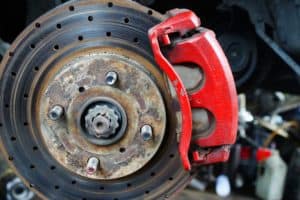
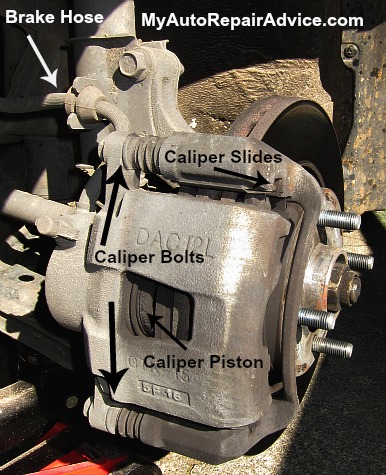
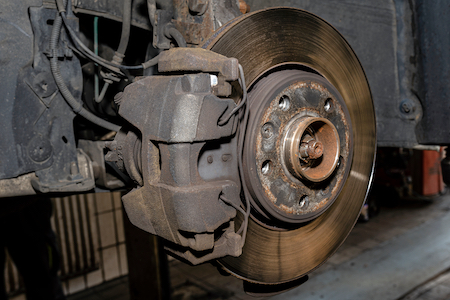
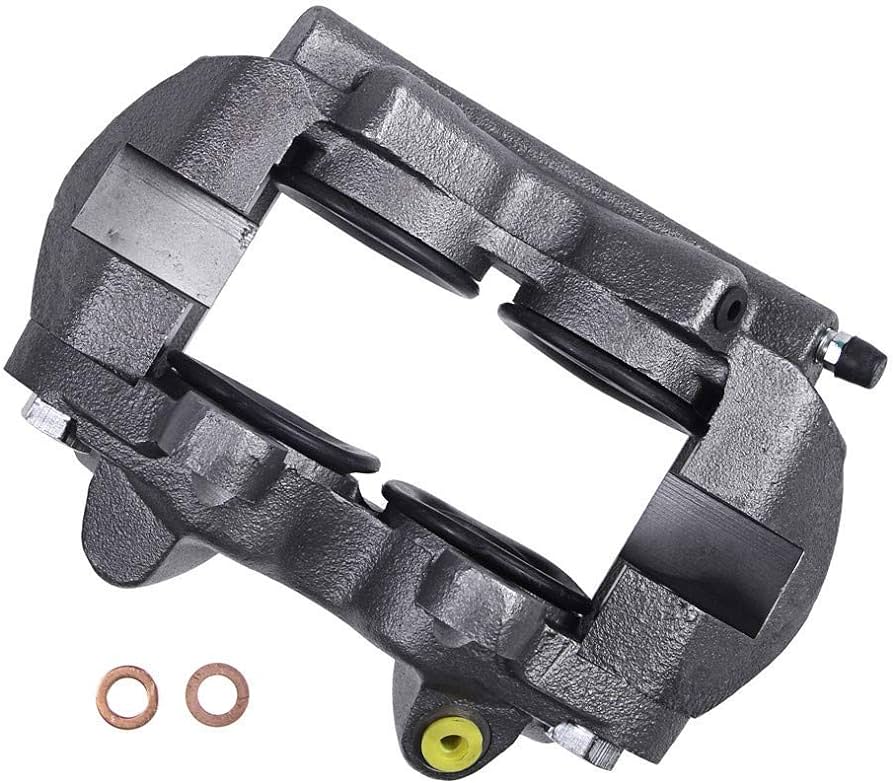
Yes, a bad brake caliper can cause vibrations in a vehicle. When the brake caliper is damaged or worn out, it fails to properly grip the brake rotor, leading to…
Yes, air in brakes can cause the caliper to stick, leading to reduced braking effectiveness and potentially dangerous situations. Air in brakes can be a significant problem for vehicles, causing…
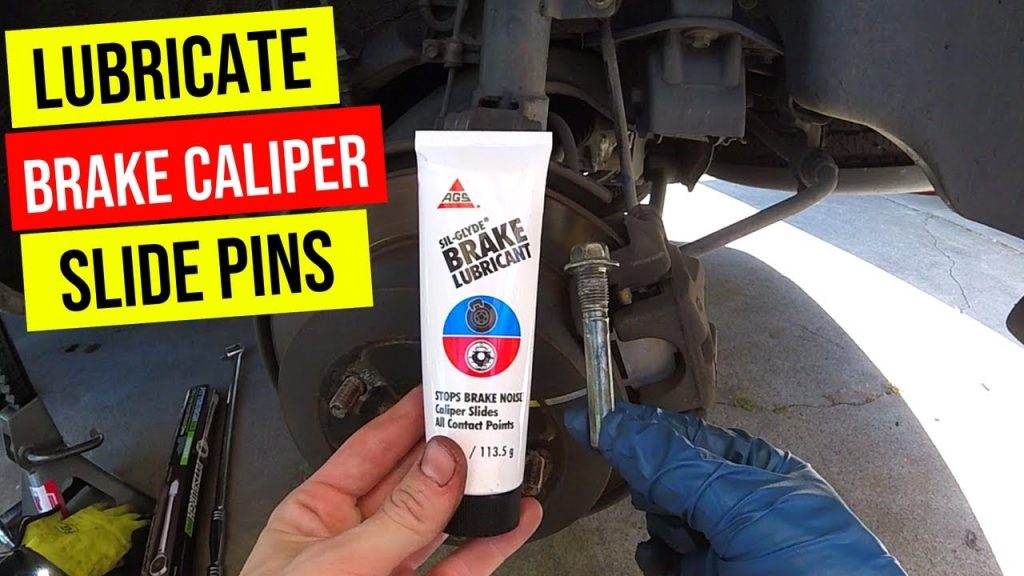
Brake calipers are an essential part of your car's braking system. Over time, they can become dirty or dry, leading to poor brake performance or sticking calipers. Lubricating brake calipers…
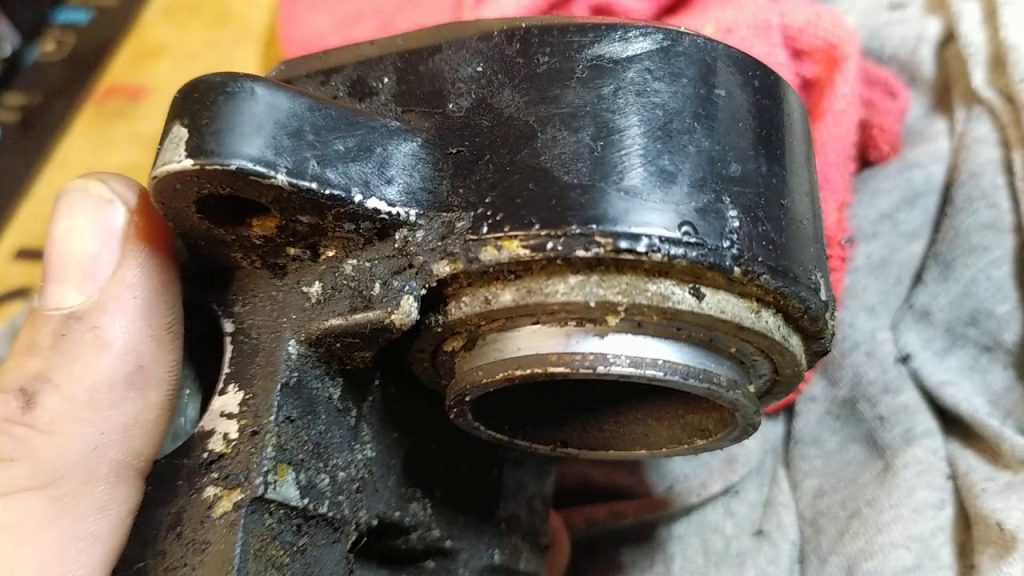
Maintaining the brake caliper piston is crucial for ensuring the optimal performance of your vehicle's braking system. Over time, the piston may become seized, leading to reduced braking power or…
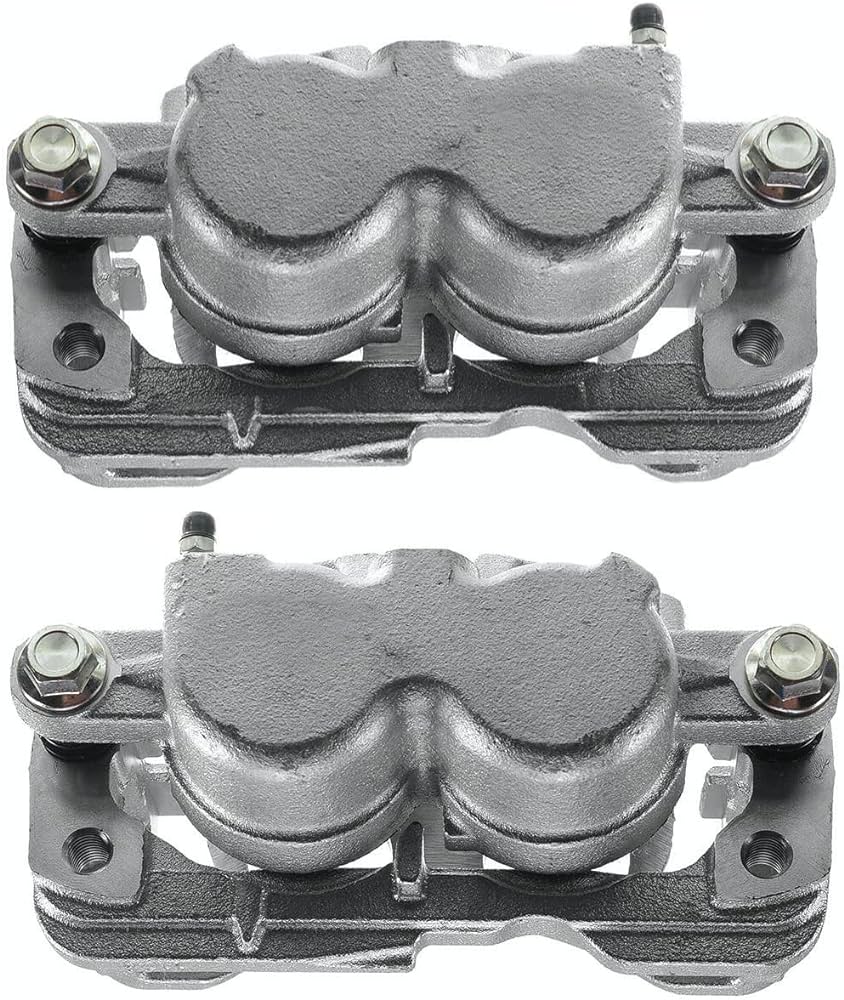
Yes, brake calipers should generally be replaced in pairs to ensure balanced braking performance. When one brake caliper is worn or damaged, replacing only one can lead to uneven braking…
Brake calipers typically last around 50,000 to 70,000 miles before they need to be replaced due to wear and tear. Brake calipers, an essential component of the braking system, can…
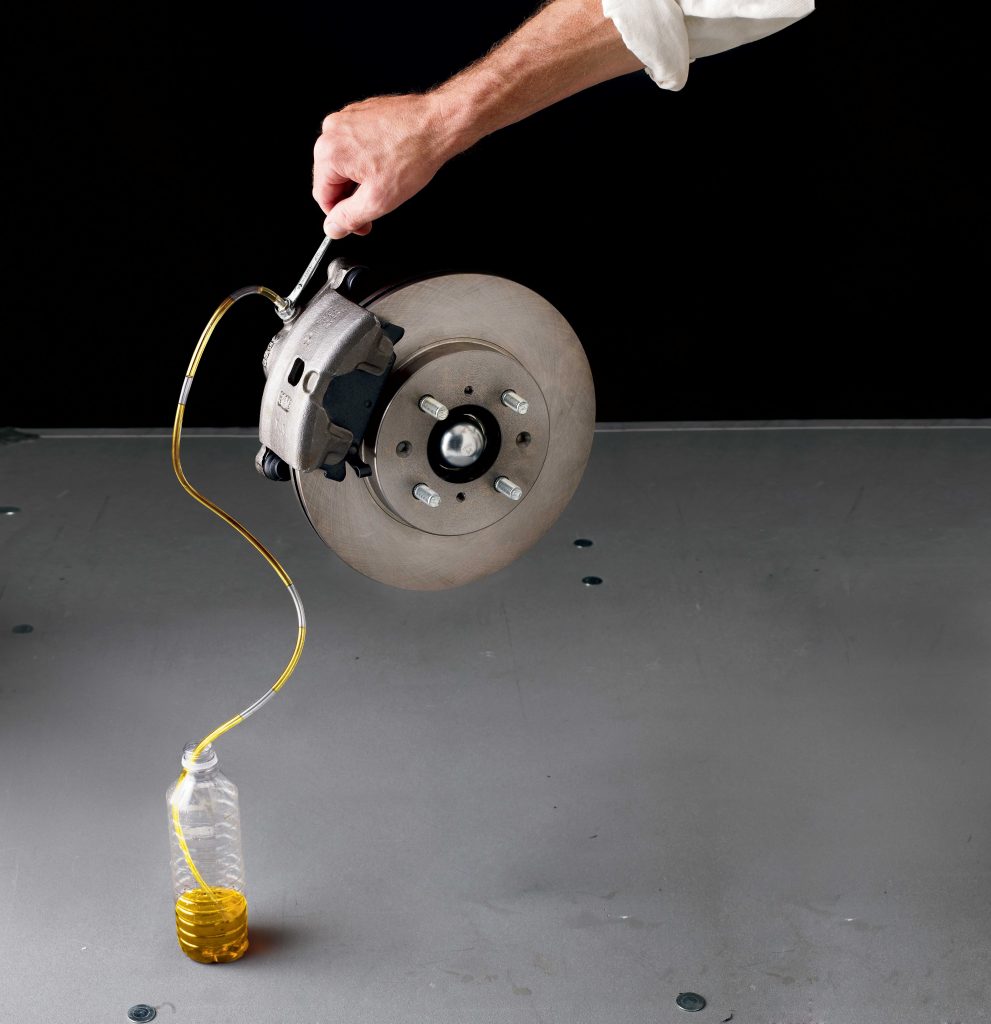
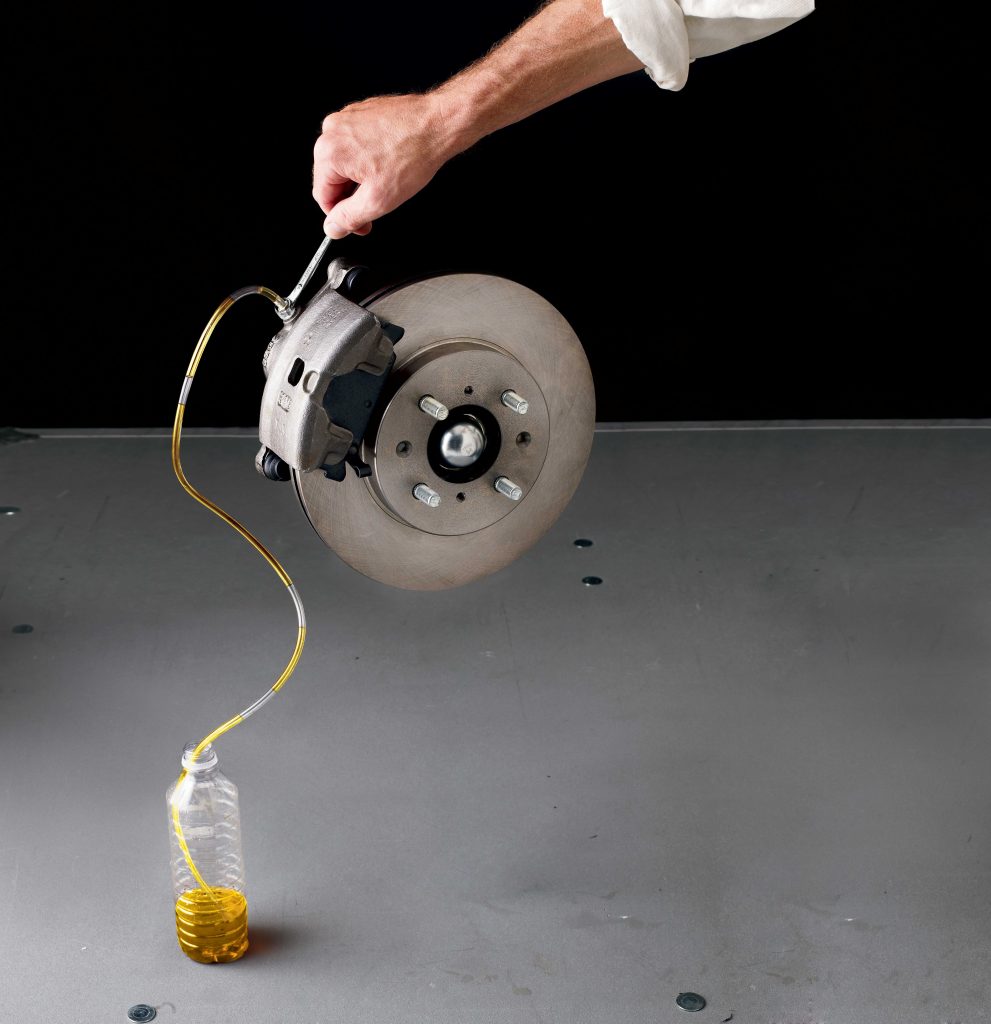
Yes, it is necessary to bleed brakes when changing calipers because this process removes air from the brake lines, ensuring optimal brake performance. When changing calipers on a vehicle, it…
Yes, bleeding brakes is necessary after changing the caliper to ensure proper functioning and remove air bubbles. When you change the caliper in your vehicle, bleeding the brakes is a…
A semi-loaded brake caliper is a braking system component that comes pre-assembled with pads and pistons. It is a convenient and cost-effective option for replacing worn-out or damaged brake calipers…
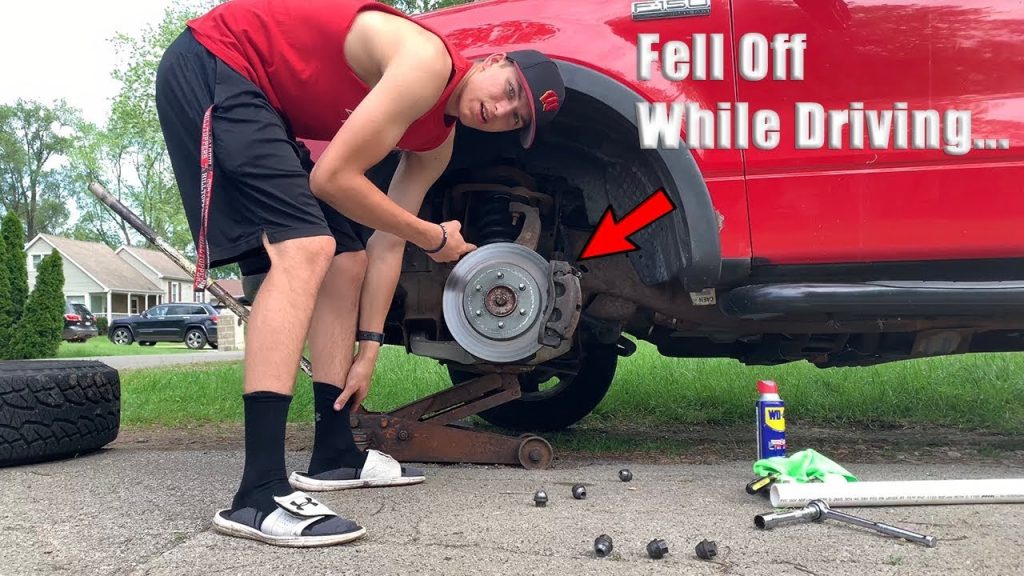
If a brake caliper falls off, it can lead to a loss of braking power and potentially dangerous driving conditions. This occurs as the caliper is responsible for engaging the…