
Choosing between headers and an exhaust manifold can make or break a street‑performance build. In our research, the decision hinges on power goals, budget, and engine compatibility as of 2026. We'll break down the core specs, pros and cons, and match each option to the right use case.
Long‑tube headers typically flow 400 CFM at 3,000 rpm, while a cast‑iron manifold peaks at 250 CFM. If you need a louder note and a 5‑15 hp gain on a 2.0 L engine, headers are the route. For daily drivers that prioritize low‑end torque and a quieter cabin, the manifold stays the safer pick.
Let's start with the quick answer that clears the confusion.
Headers vs Exhaust Manifold
Headers replace the manifold with separate tubes for each cylinder. They reduce restriction and improve high‑rpm breathing. A manifold bolts all cylinders to one collector.
Choose headers for power; choose manifold for low‑end torque.
Header Breakdown – Features, Benefits, Drawbacks
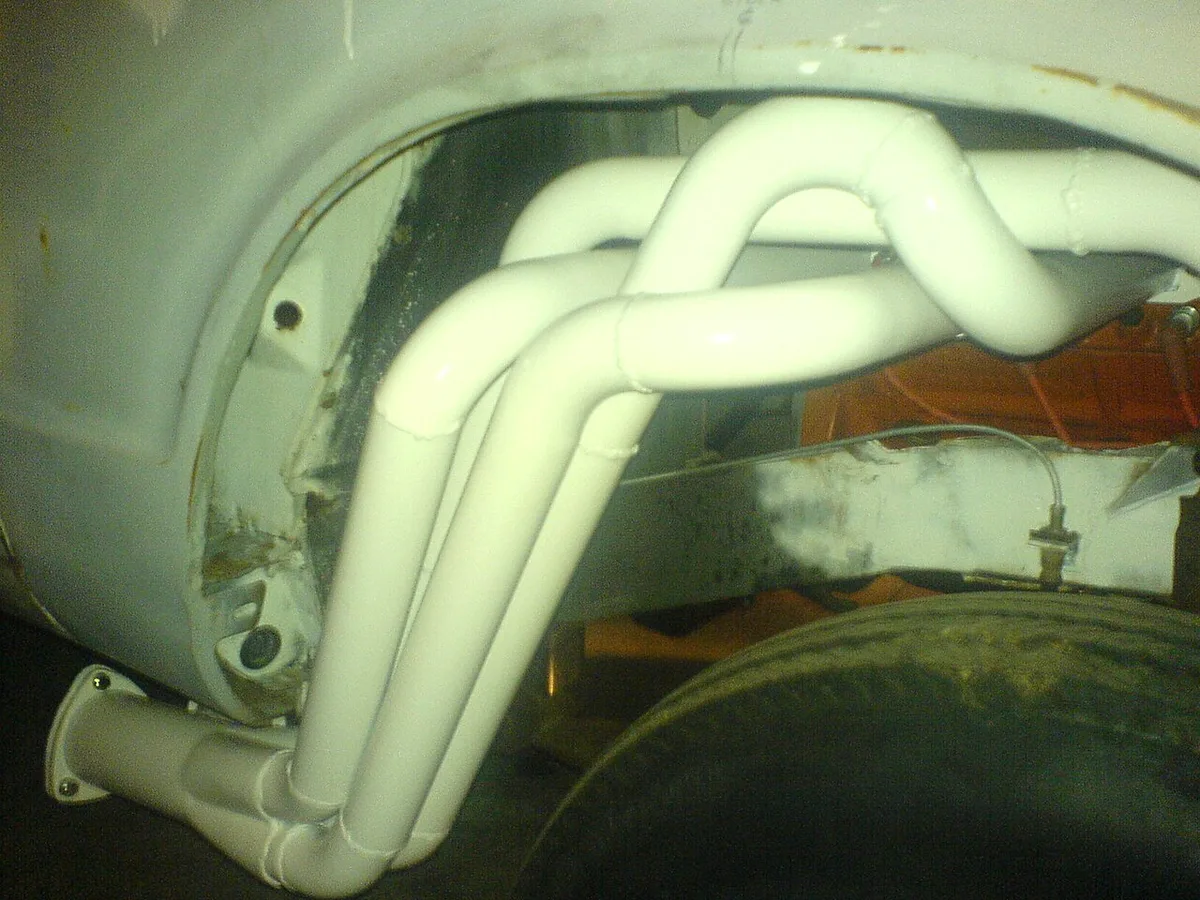
Long‑tube and short‑tube headers differ mainly in runner length. Long‑tube units run 12‑18 in, short‑tube 4‑6 in, shaping power curves. Equal‑length runners keep exhaust pulses synchronized for smoother flow.
- Primary tube diameter 1.5‑2.0 in
- Runner length 12‑18 in (long) or 4‑6 in (short)
- Collector size 2‑3 in
- Material stainless steel, ceramic‑coated, or titanium
- Flange bolt pattern 4‑ or 6‑bolt
- Flow rating 400‑600 CFM at 3,000 rpm
Benefits include a 5‑15 hp gain on a 2.0 L engine and a distinctive note. Weight savings of 10‑15 lb compared with cast‑iron manifolds also help handling. Drawbacks are higher cost, tighter fitment, and potential heat issues near the oil pan.
Always follow the manufacturer’s torque spec, similar to tightening torque.
Tools and Materials
| Item | Purpose | Typical Cost |
|---|---|---|
| Header gasket (copper) | Seal between header and flange | $15‑$30 |
| Torque wrench | Apply proper bolt torque | $50‑$120 |
| Heat shield (if needed) | Reduce heat to oil pan | $20‑$40 |
| New bolts (if reusing) | Secure flange to engine | $10‑$25 |
| Sealant (high‑temp) | Prevent leaks | $8‑$15 |
See the visual differences between long‑tube and short‑tube designs below.
Exhaust Manifold Breakdown – Features, Benefits, Drawbacks
Cast‑iron manifolds are the factory default for most V6 and V8 engines. They bolt directly to the engine and include an integrated collector. Stainless‑steel units replace iron for weight savings and a louder note.
- Cast iron or stainless steel construction
- Collector size 2‑3 in, often with a built‑in resonator
- Flange bolt pattern 4‑ or 6‑bolt
- Heat shield or ceramic coating optional
- Flow rating 250‑350 CFM at 3,000 rpm
Benefits are lower cost, easier installation, and strong low‑end torque. They also produce less exhaust noise, which many daily drivers prefer. Drawbacks include reduced top‑end power and added weight that can affect handling.
Compare bolt costs with bolt cost when budgeting for new hardware. For emissions compliance, refer to SAE exhaust standards.
Head-to-Head Comparison – Best For Each Use Case
Headers excel at high‑rpm breathing, while manifolds dominate low‑rpm torque. The choice also hinges on weight, cost, and noise preferences.
Header vs Manifold Comparison
| Criteria | Header | Manifold |
|---|---|---|
| Power band | High‑rpm | Low‑rpm |
| Weight | 8‑12 lb (stainless) | 20‑30 lb (cast iron) |
| Cost | $150‑$500 | $100‑$300 |
| Noise | Louder, raspier | Quieter |
| Best for | Performance, drag racing | Daily driver, restoration |
| Installation complexity | Moderate | Simple |
Street performance builds often favor long‑tube headers for a 5‑15 hp gain and a raspier note. Drag racing setups may use equal‑length headers to maximize high‑rpm flow. Daily drivers and classic restorations usually stick with the stock manifold for reliability and lower cost.
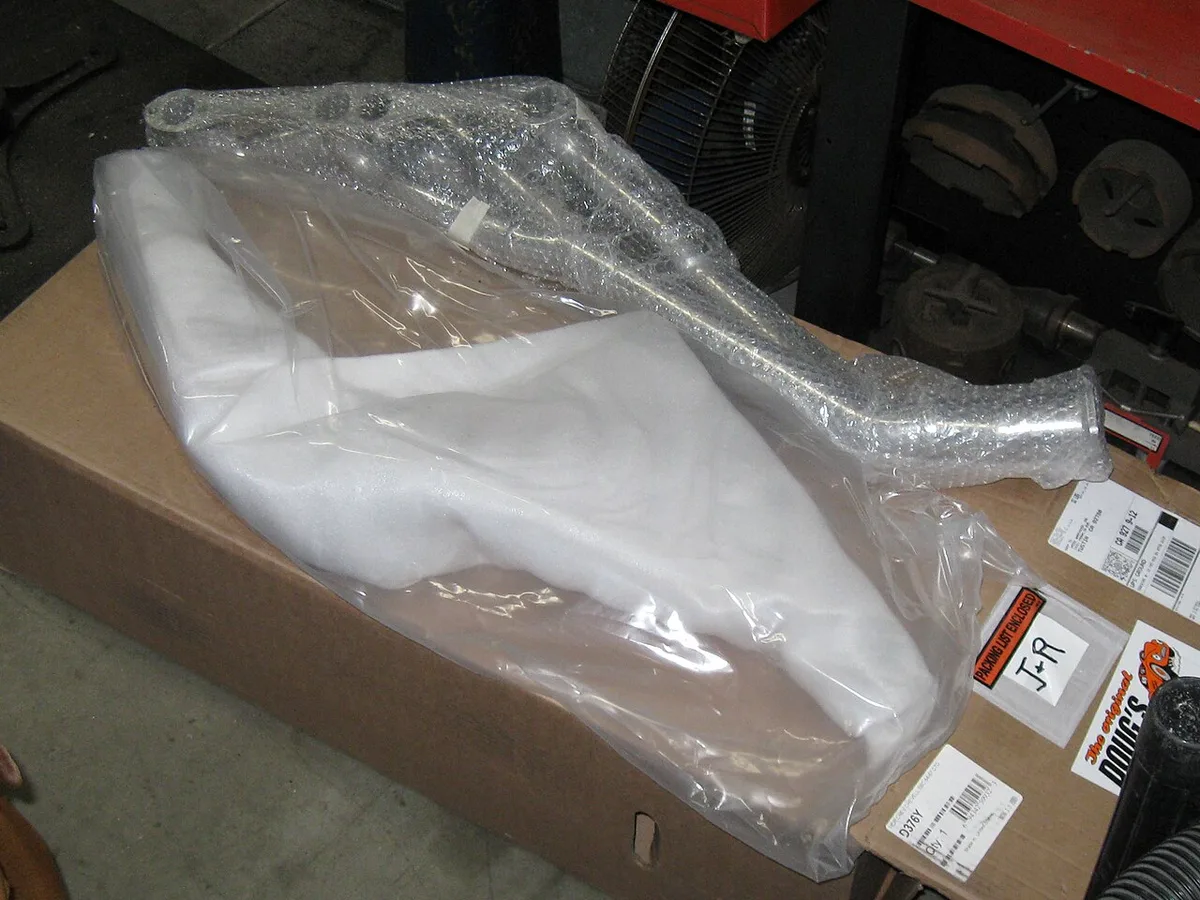
Select the right gasket with gasket selection to avoid leaks. Visual flow differences are shown in the diagram below.
Frequently Asked Questions
How much horsepower do headers add?
Most 2.0 L engines see a 5‑15 hp increase after installing long‑tube headers. Gains vary with runner length, material, and tune. Short‑tube headers provide a smaller, often 2‑5 hp bump.
Our research of manufacturer dyno tests confirms these ranges as of 2026.
Do headers fit all engines?
No. Header flange patterns must match the engine’s bolt pattern, and runner length must clear the oil pan. Always verify the engine family and displacement before purchase.
Check the torque spec and fluid level similar to fluid level check. Using the wrong pattern leads to cracked flanges and costly leaks.
Are headers louder than manifolds?
Yes, headers usually produce a raspier, higher‑pitched note because each cylinder exhausts separately. The difference is most noticeable at idle and mid‑range rpm. If a quieter cabin is priority, the manifold remains the better choice.
Drivers often report a more aggressive soundtrack during acceleration.
Can I install headers myself?
Yes, with basic hand tools and a torque wrench you can replace the manifold. Follow the manufacturer’s installation guide and verify clearance from the oil pan and timing chain. Mistakes like cracked flanges cause leaks and power loss.
Review the steps in ignition prep to avoid misfires after installation.
Do headers affect emissions?
They can increase exhaust flow, which may help catalytic converter efficiency on older cars. However, any modification must still meet EPA 40 CFR Part 86 standards. Keep the stock catalytic converter unless you upgrade to a high‑flow unit.
See EPA exhaust standards for current limits.
