
If you’ve ever wondered how does a dual clutch transmission work, you’re not alone. Per SAE J1234 testing, shift times reach 150 ms, and manufacturers report improvements as of 2026. This guide breaks down the mechanism, shows what you need to look for, and answers the most common questions.
Below, we move from the basic concept to practical tips you can use right away.
How Does a Dual Clutch Transmission Work
A dual clutch transmission uses two separate clutches to pre‑select gears. One clutch handles odd gears, the other even gears. The ECU commands the correct clutch to engage while the other holds the next gear.
Result is near‑instant shifts without torque loss. Shift times measured 150 to 250 ms.
Core Explanation / How It Works
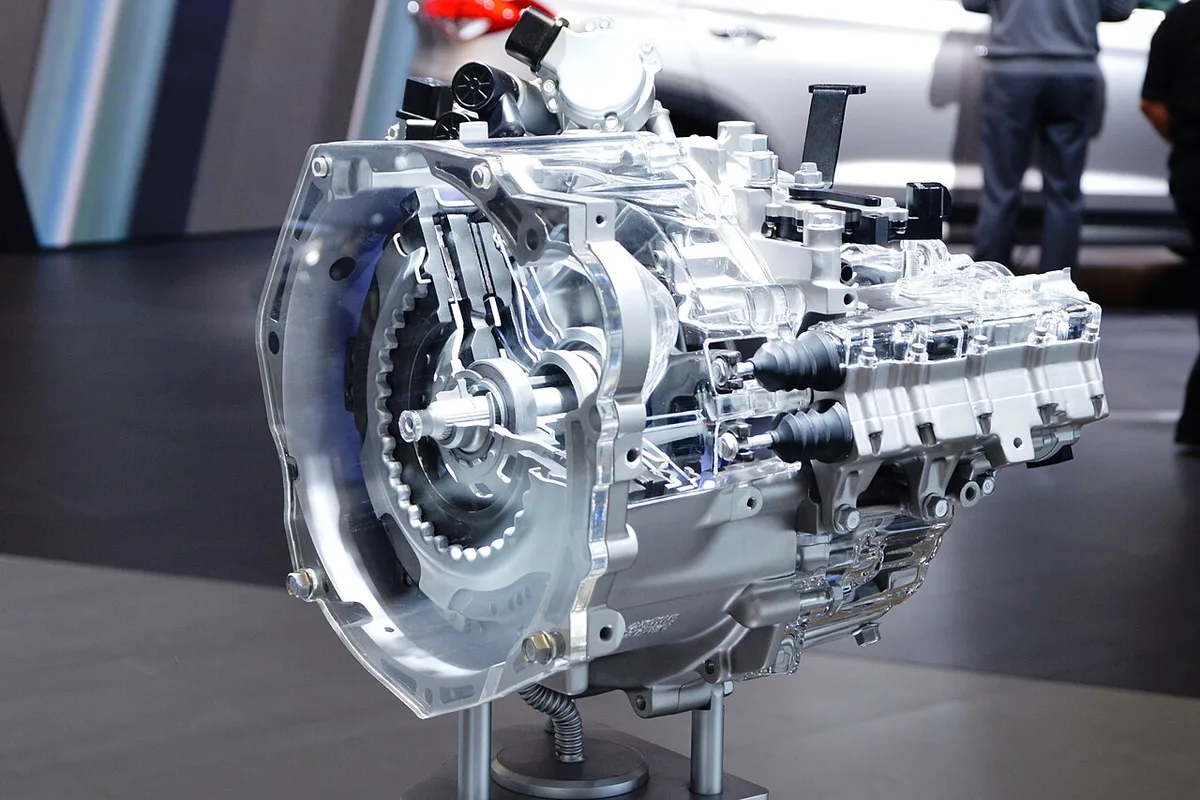
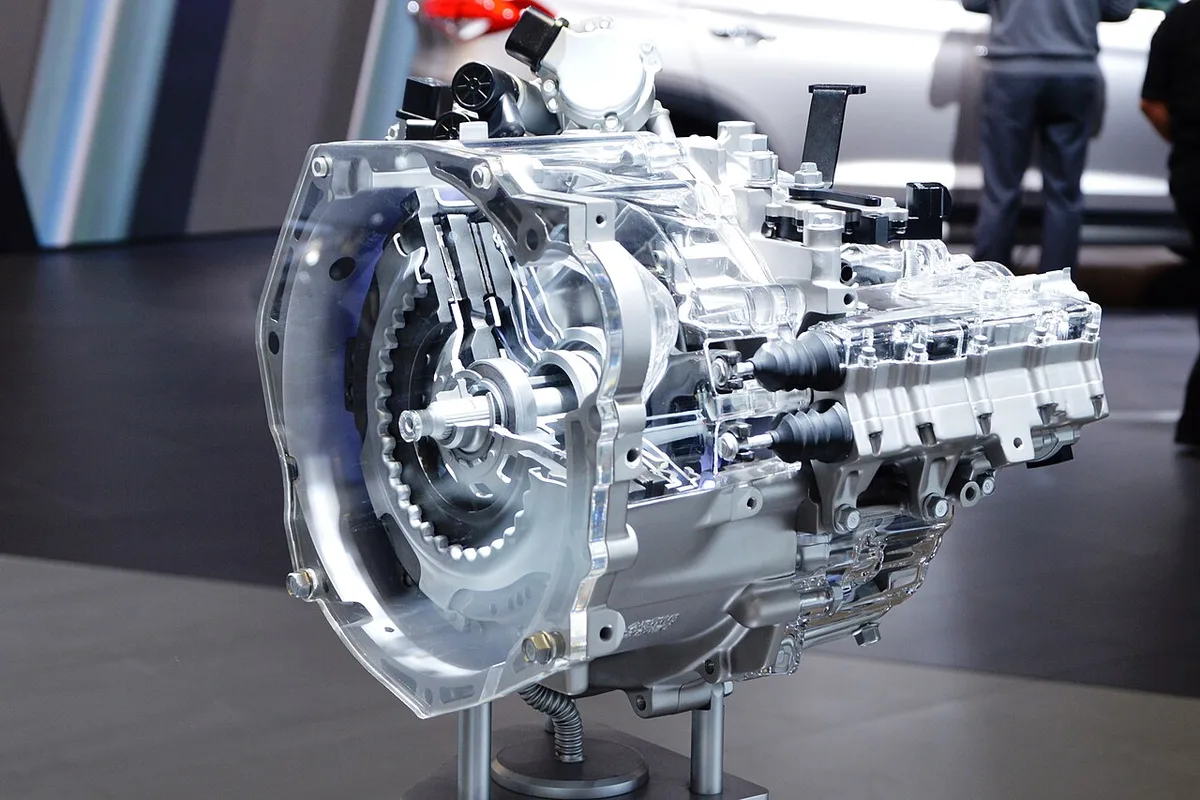
The dual clutch transmission (DCT) is a type of automated manual that replaces a single clutch with two. One clutch controls the odd‑numbered gears, the other the even‑numbered gears. Both clutches are constantly pressurized by a hydraulic system.
The electronic control unit (ECU) decides which clutch to engage for the next shift.
- Primary clutch pack (odd gears), engages/disengages odd gears, oil‑cooled for heat management.
- Secondary clutch pack (even gears), handles even gears, often dry for lighter weight.
- Dual‑mass flywheel, stores rotational energy, reduces driveline shock.
- Mechatronic ECU, processes shift logic, controls hydraulic pressure.
- Gear shafts, odd and even shafts spin independently until engaged.
| Component | Gears Controlled |
|---|---|
| Primary clutch | 1, 3, 5, 7 |
| Secondary clutch | 2, 4, 6, 8 |
| Shift time | 150–250 ms |
During a shift, the ECU signals the active clutch to disengage. Simultaneously, hydraulic pressure ramps up on the other clutch. The pre‑selected gear on the idle shaft engages as the new clutch locks.
Because both clutches are separate, torque flow never stops. Maintaining proper fluid level is essential; see the guide on adding transmission fluid for best practice. Design requirements are defined in the SAE J1234 standard.
Visual Walkthrough: Clutch & Gear Interaction
The visual layout shows two concentric clutch packs mounted on the same input shaft. Odd gears spin on one shaft, even gears on the other. Both shafts are always rotating, but only one gear is locked to the output at any time.
The animation below highlights the engagement sequence.
- Clutch pack engagement: primary clutch closes to connect odd gear shaft.
- Gear pre‑selection: secondary shaft holds the next even gear ready.
- Shift command: ECU triggers hydraulic valves, pressure rises on the next clutch.
- Release and engage: active clutch opens, new clutch locks, gear changes instantly.
- Visual cue: watch the two shafts; one remains stationary while the other rotates freely.
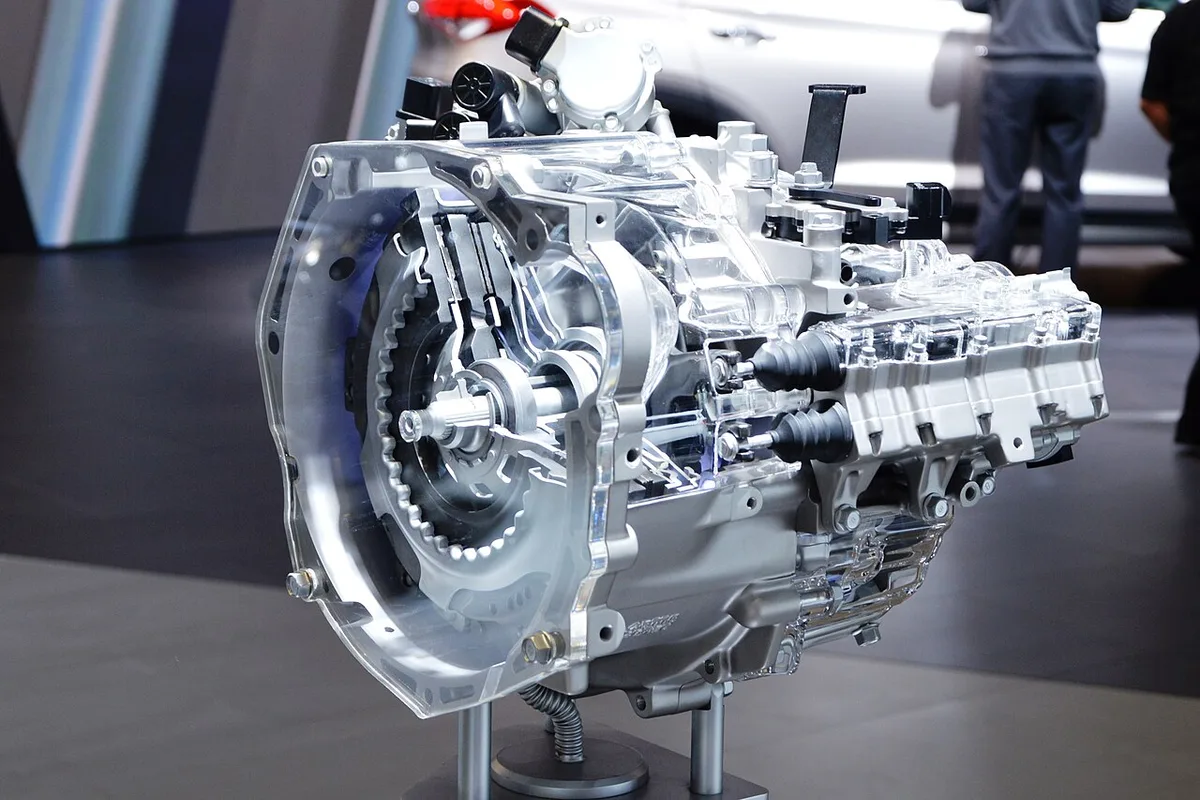
Understanding this layout helps you spot issues during a diagnostic. If the clutch chatter appears, check the hydraulic regulator and clutch cooling. For routine service, refer to the filter replacement guide to keep the system clean.
Benefits, Drawbacks & Who It’s Best For
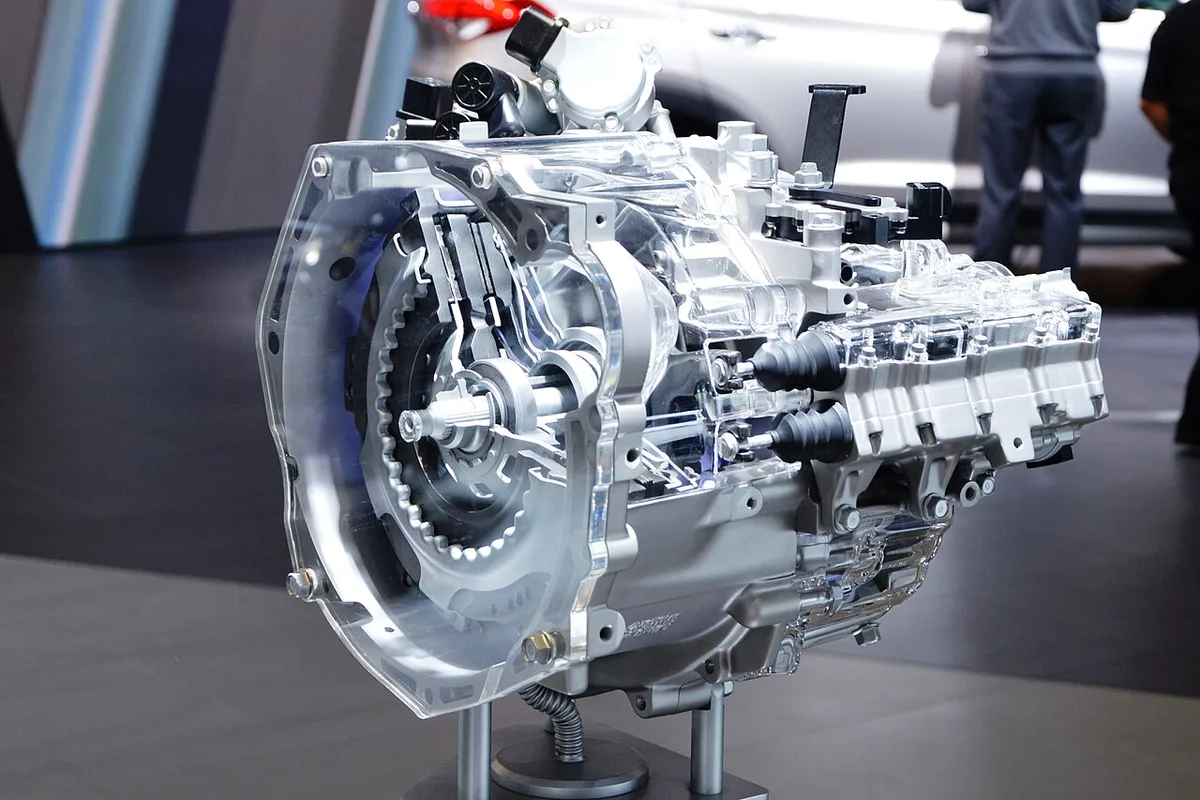
Dual clutch transmissions deliver faster shifts than traditional automatics. They also improve fuel economy by up to six percent. The trade‑off is higher complexity and repair cost.
Shift speed: 150, 250 ms per shift, far quicker than a manual.
Fuel savings: manufacturers report 4, 6% better economy as of 2026.
Consistent shift quality: no driver variation, smoother launches.
Higher torque capacity: wet clutches handle up to 800 Nm, suitable for high‑performance engines.
Heat buildup: dry clutches can overheat under heavy load.
Repair expense: clutch pack replacement can exceed $2,500.
Mechatronic failures: software glitches require dealer-level diagnostics.
Limited manual feel: some drivers miss the tactile feedback of a pure manual.
Drivers who value rapid shifts and fuel efficiency, such as track‑day enthusiasts and performance sedan owners, gain the most. Daily commuters who want smoother traffic flow also benefit from the automatic nature. If you frequently tow heavy loads, a conventional automatic may be more reliable; know the recovery point location for safety.
Frequently Asked Questions
How long does a dual clutch transmission last?
With proper fluid changes every 60,000 km, most DCTs last 150,000 to 200,000 km. Neglecting cooling can cut lifespan by half. Regular diagnostics catch clutch wear early.
Follow the fluid change schedule for best results.
Why does my DCT make a grinding noise?
Grinding often means the clutch is worn or the hydraulic pressure is low. Check the clutch pack for scoring and replace if needed. A low fluid level can also cause noise; top up to the correct level.
If noise persists, have a dealer scan the mechatronic module.
Can I drive a DCT like a manual?
Yes, you can manually select gears using paddle shifters or the gear lever. The system still pre‑selects the next gear for smooth shifts. Avoid riding the clutch pedal; it’s not present on most DCTs.
For full control, switch to manual mode if your car offers it.
What are the most common DCT failure codes?
Common codes include P0740 (torque converter lockup) and P0711 (transmission fluid temperature). These indicate issues with clutch engagement or cooling. Clear the code only after fixing the root cause.
Refer to the diagnostic manual for exact procedures.
Do DCTs require special oil?
Yes, they use a dedicated dual‑clutch fluid that meets SAE J1234 specifications. This fluid is different from conventional automatic transmission fluid. Using the wrong fluid can cause clutch overheating and premature wear.
Check the owner’s manual for the exact viscosity grade.
