
If you ever wondered how does a diesel engine work, you’re in the right place. The process starts with air compression, fuel injection, and controlled combustion. Modern engines add turbocharging and electronic controls to boost efficiency.
Below we break down the components, the visual steps, and common questions.
Per EPA Tier 4 standards, diesel engines must limit NOx to 0.4 g/kWh as of 2026. That regulation pushes manufacturers toward precise injection timing and after‑treatment systems. Understanding the core parts helps you spot issues before they become costly.
Let’s start with the quick answer, then dive into the components.
How Does a Diesel Engine Work
A diesel engine compresses air until fuel ignites. The high pressure forces pistons down to create torque. Common rail injectors deliver fuel at up to 2,000 bar.
Turbochargers boost power while keeping fuel use low.
Key Components and What They Do
The cylinder block houses pistons that move up and down. The crankshaft converts piston motion into rotational torque. The turbocharger forces more air into the cylinder, raising power density.
The common rail system stores fuel at high pressure for precise injection timing.
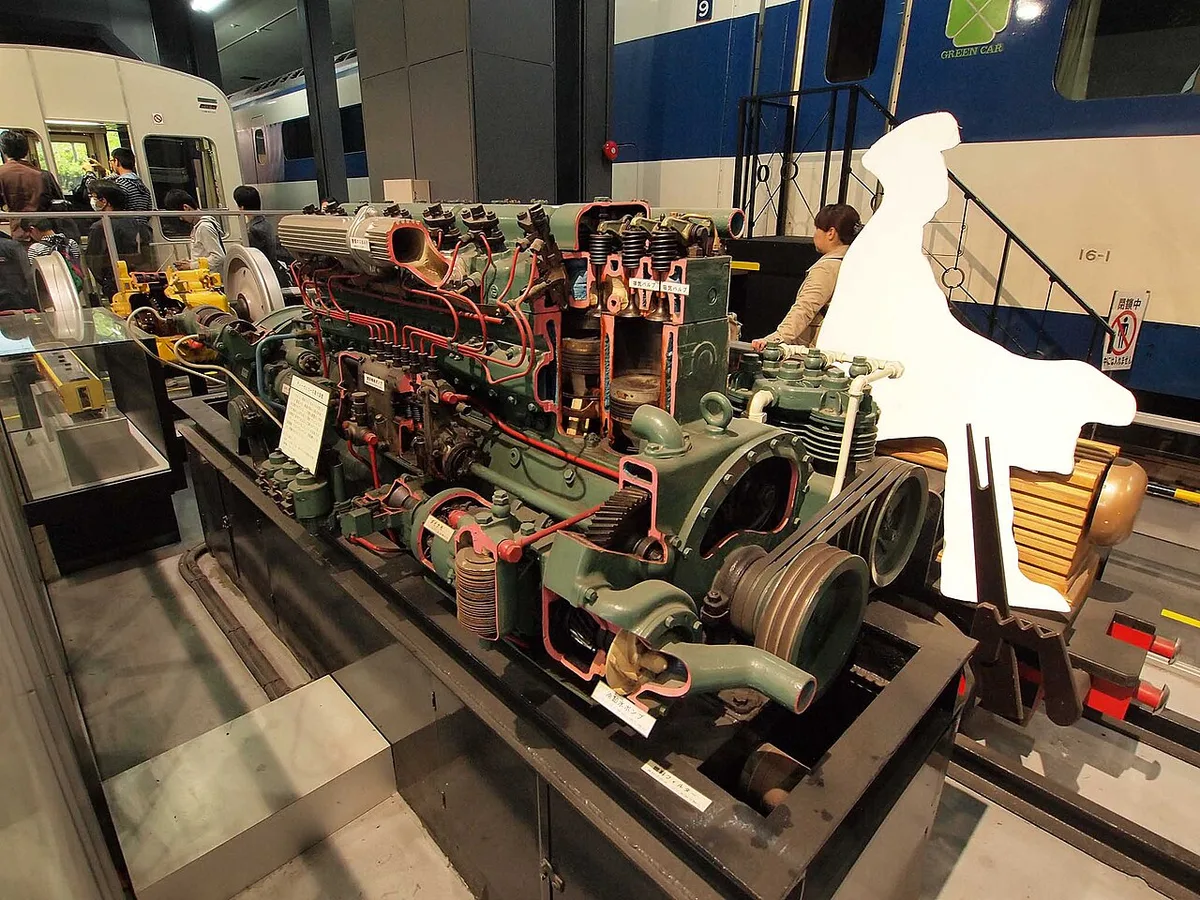
- Cylinder block & pistons, provide the combustion chamber.
- Crankshaft, turns linear motion into usable power.
- Turbocharger, increases air mass for higher efficiency.
- Common rail injectors, spray fuel at exact moments.
- After‑treatment, DPF and SCR reduce emissions to meet EPA Tier 4 standards.
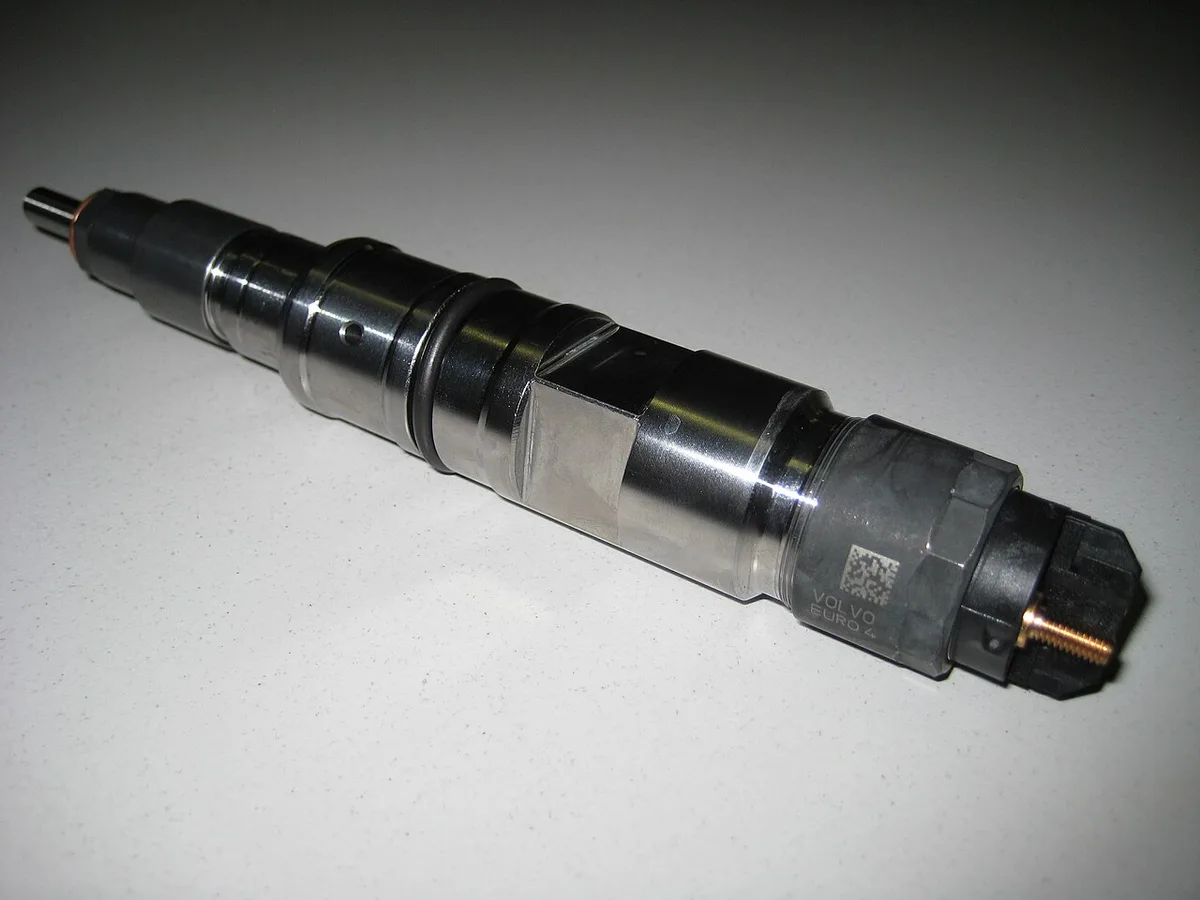
Regular filter service keeps the fuel system clean and protects injectors. Checking the air filter before each season prevents debris ingestion. Proper torque on bolts ensures the engine stays sealed.
For detailed specifications, see the manufacturer’s service manual.
Visual Step-by-Step: From Cold Start to Full Load
Cold starts require glow plugs to heat the air. The engine control unit (ECU) commands the injectors to fire at the right pressure. As the engine warms, the turbocharger spools and boost pressure rises.
Load changes are met by adjusting injection timing and fuel quantity.
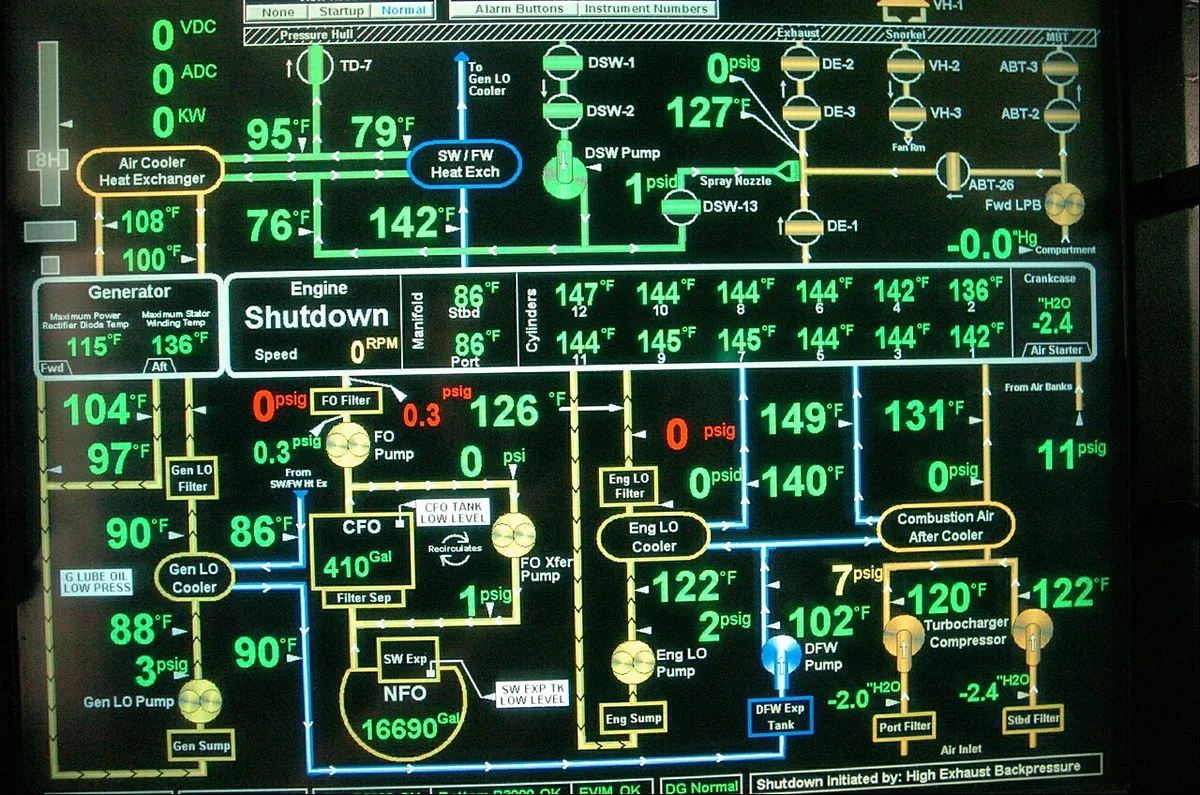
- Turn the key; glow plugs activate.
- ECU monitors temperature and pressure.
- Injectors deliver fuel at 2,000 bar.
- Turbocharger builds boost as RPM climbs.
- Engine reaches steady state and maintains torque.
Benefits and Drawbacks
Diesel engines deliver high torque at low RPM, ideal for heavy loads. Fuel economy often exceeds gasoline by 20 % to 30 %. Service life can exceed 500,000 miles with proper maintenance.
Drawbacks include higher upfront cost and sensitivity to fuel quality.
Common issues are carbon buildup in injectors and turbocharger oil contamination. Regular diagnostics can catch problems early. For quick diagnostics, see the OBD‑II scanner guide.
Proper maintenance keeps the engine efficient and compliant with emissions standards.
Frequently Asked Questions
Why does a diesel engine smoke black?
Black smoke means excess fuel or incomplete combustion. Check the air filter, fuel injectors, and turbocharger for blockages. Adjust the ECU settings if needed.
How often should I replace the diesel fuel filter?
Replace the filter every 15,000 miles or 250 operating hours. Dirty filters restrict fuel flow and can damage injectors. Use the manufacturer‑recommended filter type.
Can I use biodiesel in any diesel engine?
Most modern engines accept up to B20 without modification. Older engines may need fuel system upgrades. Verify compatibility with the engine’s service manual.

What causes hard starting in cold weather?
Glow plug failure, weak battery, or clogged fuel lines are common culprits. Test glow plugs and ensure the battery holds charge. Pre‑heating the engine block can improve cold starts.
How much torque does a typical 7.2 L diesel produce?
A 7.2 L diesel typically delivers 1,200 to 1,500 Nm of peak torque. Torque peaks occur between 1,800 and 2,500 RPM. This high torque makes diesel engines suitable for trucks and equipment.
