
You might wonder how does an inline 4 engine work under the hood. An inline‑four uses four cylinders arranged in a straight line. The design is common in modern cars because it balances size and power.
Per SAE J1349, a typical 2.0 L inline‑four displaces 2,000 cc and delivers about 140 hp at 6,500 rpm. Knowing the basic numbers helps you see why the engine fits compact cars. Let's start with the four‑stroke cycle that powers every modern inline‑four.
How Does an Inline 4 Engine Work
An inline‑four engine uses four cylinders in a straight line.
It follows a four‑stroke cycle: intake, compression, power, exhaust.
Each stroke moves the crankshaft by 180 degrees.
The cycle repeats continuously while the engine runs.
Manufacturer specs list redline at roughly 7,000 rpm.
Visual Walkthrough: Key Components and the Four‑Stroke Cycle
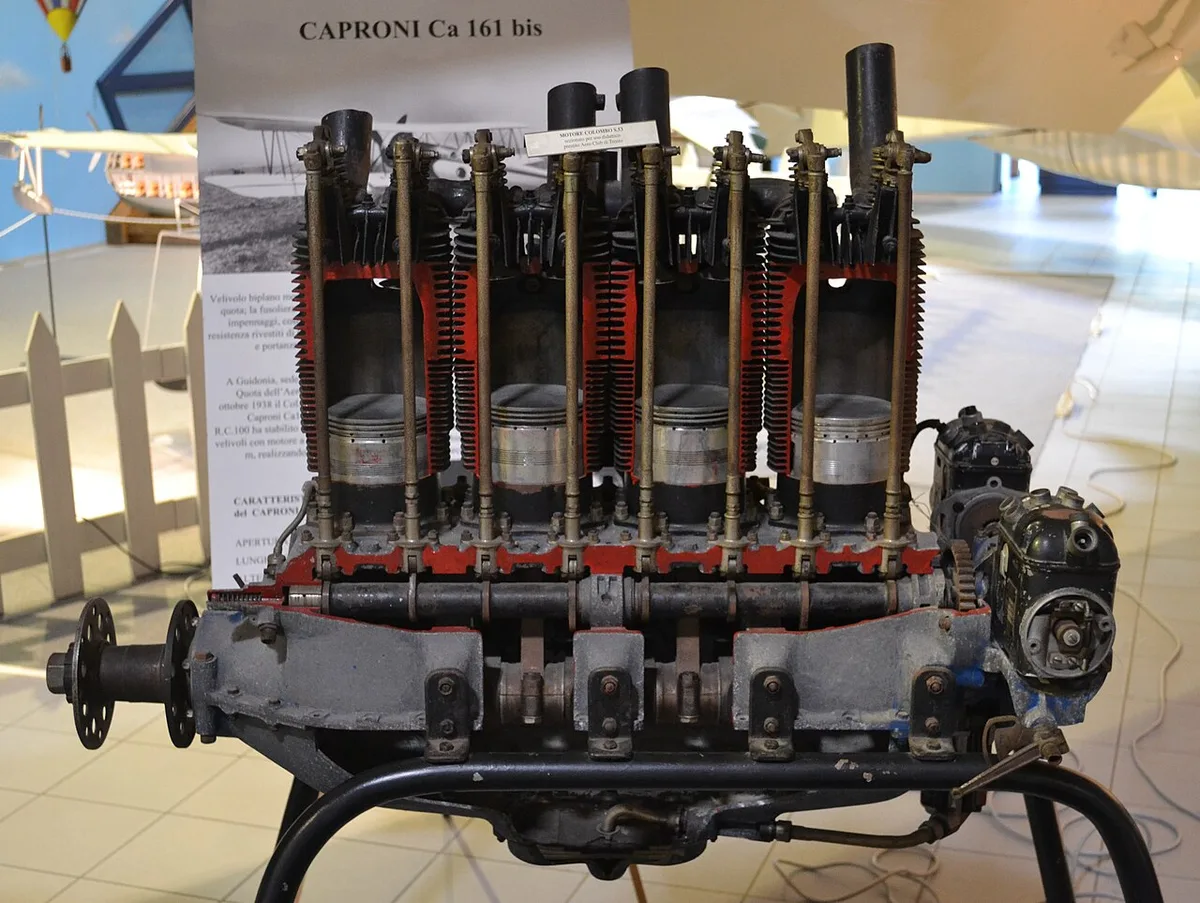
The inline‑four layout is simple, but seeing the parts helps you understand the motion. Visual cues make the four‑stroke cycle easier to follow.
Four‑stroke cycle overview
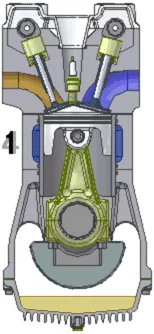
During intake, the piston drops and the intake valve opens, drawing air and fuel.
Compression follows as the piston rises, sealing the mixture before ignition.
- Intake: piston moves down, valve opens.
- Compression: piston moves up, valve closes.
- Power: spark ignites, piston forces crankshaft.
- Exhaust: piston moves up, exhaust valve opens.
Cylinder head and valve train layout
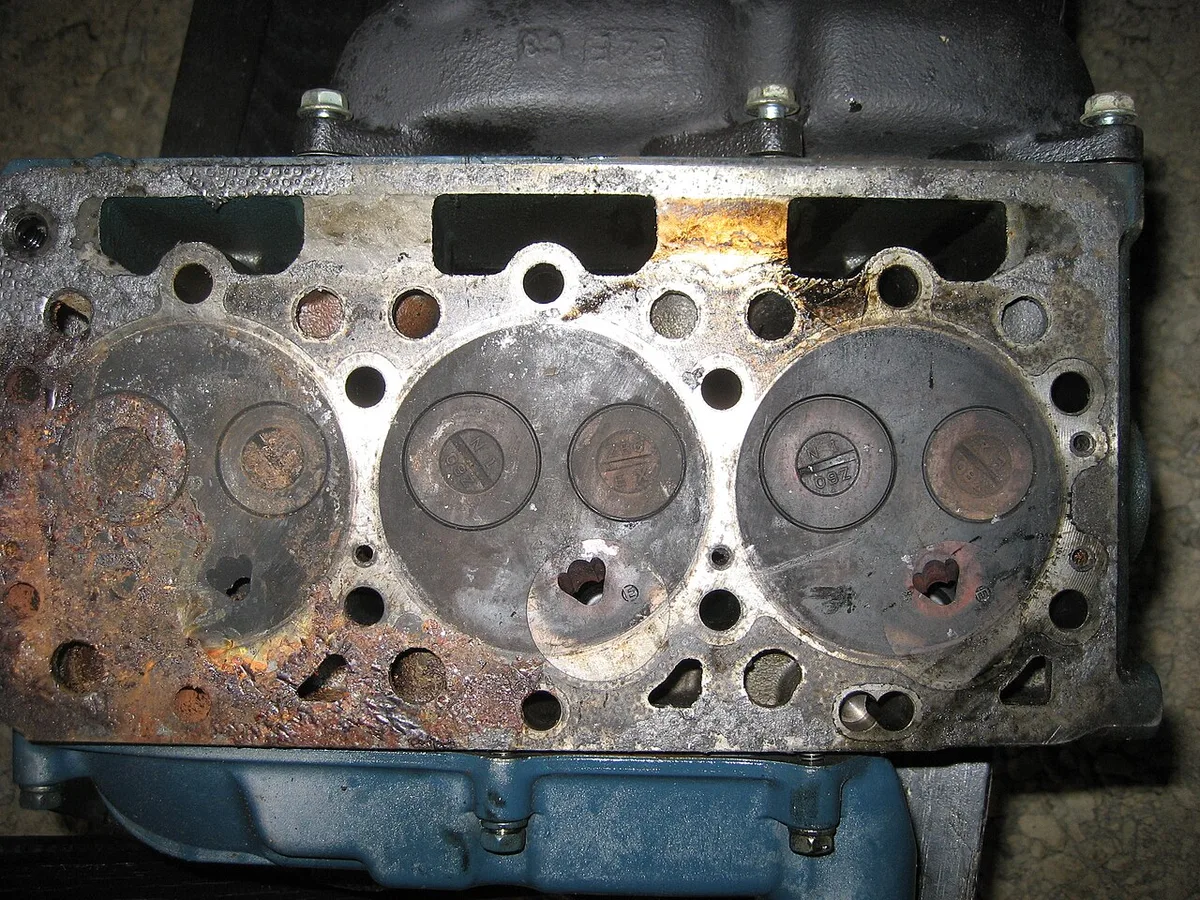
The cylinder head houses the intake and exhaust valves, plus the camshaft that opens them.
A timing chain or belt synchronizes the camshaft with the crankshaft to prevent valve damage.
| Component | Primary Function |
|---|---|
| Crankshaft | Converts piston motion to rotary power |
| Camshaft | Opens and closes valves |
| Timing chain/belt | Keeps camshaft and crankshaft in sync |
| Cylinder head | Contains valves and combustion chambers |
When you service the engine, use a torque wrench for tightening lug nuts to spec.
Benefits, Drawbacks, and Who It’s Best For
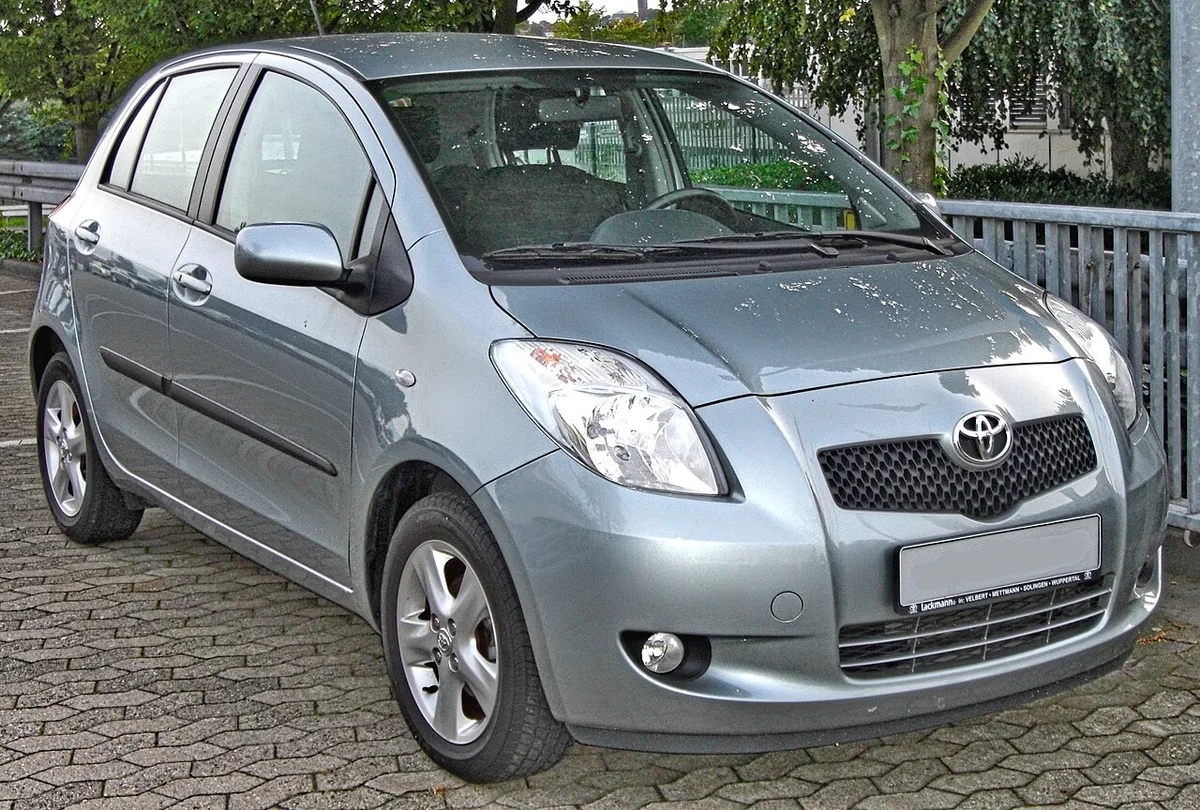
The inline‑four offers clear advantages for daily drivers.
It is light, inexpensive, and fits tight engine bays.
Fuel economy typically exceeds 30 mpg combined in modern models.
- Pros: compact, affordable, good fuel economy, smooth enough for most cars.
- Cons: limited low‑end torque, higher oil consumption on older units, can feel buzzy in three‑cylinder rivals.
Timing chain/belt and VVT‑i illustration
Variable valve timing (VVT‑i) adjusts valve overlap for better efficiency and power.
It helps the engine meet EPA Tier 2 emissions standards while keeping performance lively.
| Engine Type | Typical Power | Fuel Economy | Best Use |
|---|---|---|---|
| Inline‑four | 140‑250 hp | 30‑35 mpg | Compact cars, daily commuters |
| Inline‑three | 100‑150 hp | 35‑40 mpg | Small hatchbacks, city driving |
For drivers who value modern convenience, the inline‑four pairs well with keyless start and remote unlock.
If you need to check fluid levels before a road trip, refer to fluid level checks for guidance.
Common Mistakes & How to Avoid Them
Neglecting regular maintenance can shorten the life of an inline‑four.
Many owners overlook simple checks that prevent costly repairs.
Mistake: ignoring timing chain wear.
Avoid: replace chain at 60,000 mi or when noise appears.Mistake: using the wrong oil viscosity.
Avoid: follow manufacturer spec, usually 5W‑30 for newer models.Mistake: letting spark plugs foul with oil.
Avoid: inspect plugs every 30,000 mi; address oil fouling promptly.Mistake: skipping coolant flush.
Avoid: flush every 5 years to prevent overheating.
Keeping a service log helps you stay ahead of these issues.
Frequently Asked Questions
How many cylinders does an inline‑four have?
An inline‑four has exactly four cylinders arranged in a straight line. Each cylinder completes the four‑stroke cycle, producing power in a smooth, repetitive rhythm. This layout balances size, weight, and cost for most passenger cars.
Why does my inline‑four use more oil than a larger engine?
Smaller engines often run hotter and have tighter tolerances, which can increase oil consumption. Using the correct viscosity and checking for leaks every oil change helps keep usage normal. If oil loss exceeds one quart per 1,000 mi, have a mechanic inspect for worn piston rings.
Can I upgrade an inline‑four to produce more power?
Yes, you can add a cold‑air intake, performance exhaust, or a turbocharger to boost output. However, upgrades must respect the engine’s design limits to avoid reliability issues. Always consult the manufacturer’s service manual before modifying components.
How often should I replace the timing chain on an inline‑four?
Most manufacturers recommend replacement at 60,000 to 100,000 mi, depending on the design. Listen for chain noise and check tensioner wear during regular service. Replacing the chain early prevents catastrophic valve damage.
What is the difference between a timing chain and a timing belt?
A timing chain is metal and generally lasts the engine’s life, while a belt is rubber and usually needs replacement every 60,000 to 100,000 mi. Both synchronize the camshaft and crankshaft; the choice depends on the specific engine model. Check your service manual for the exact interval.
