
If you’ve ever wondered how does biodiesel work, you’re not alone. Many drivers see the fuel at the pump and want a clear explanation before they try it. Our research breaks down the chemistry, the equipment, and the real‑world steps you’ll follow.
Per ASTM D6751 testing, biodiesel must meet a cetane number of 48 to 52 and contain less than 15 ppm sulfur as of 2026. Those specs ensure the fuel ignites reliably and meets emissions rules. Next, we’ll walk through the process that turns oil into usable fuel.
How Does Biodiesel Work
Biodiesel works by transesterifying vegetable oil into fatty acid methyl esters.
The reaction uses methanol and a catalyst such as potassium hydroxide.
Glycerine separates as a by‑product, leaving usable fuel for diesel engines.
Finished biodiesel meets ASTM D6751 standards for cetane and sulfur.
It can be blended with petro‑diesel or used as B100.
Problem & Quick Insight
Why drivers consider biodiesel
Fleet operators switch to biodiesel to cut greenhouse gases and support local agriculture. Aggregate reviews report a 5‑10% fuel‑cost reduction when B20 prices sit around $2.50 per gallon. For those who run generators on farms, the renewable nature of the fuel adds peace of mind.
Bottom‑line benefit at a glance
If you run a 20‑truck fleet, annual savings can reach roughly $12,000 when biodiesel costs $2.50/gal versus $3.50/gal for diesel. The environmental payoff includes a lifecycle GHG reduction of about 50% per EPA estimates. For more details on program incentives, see USDA Rural Development.
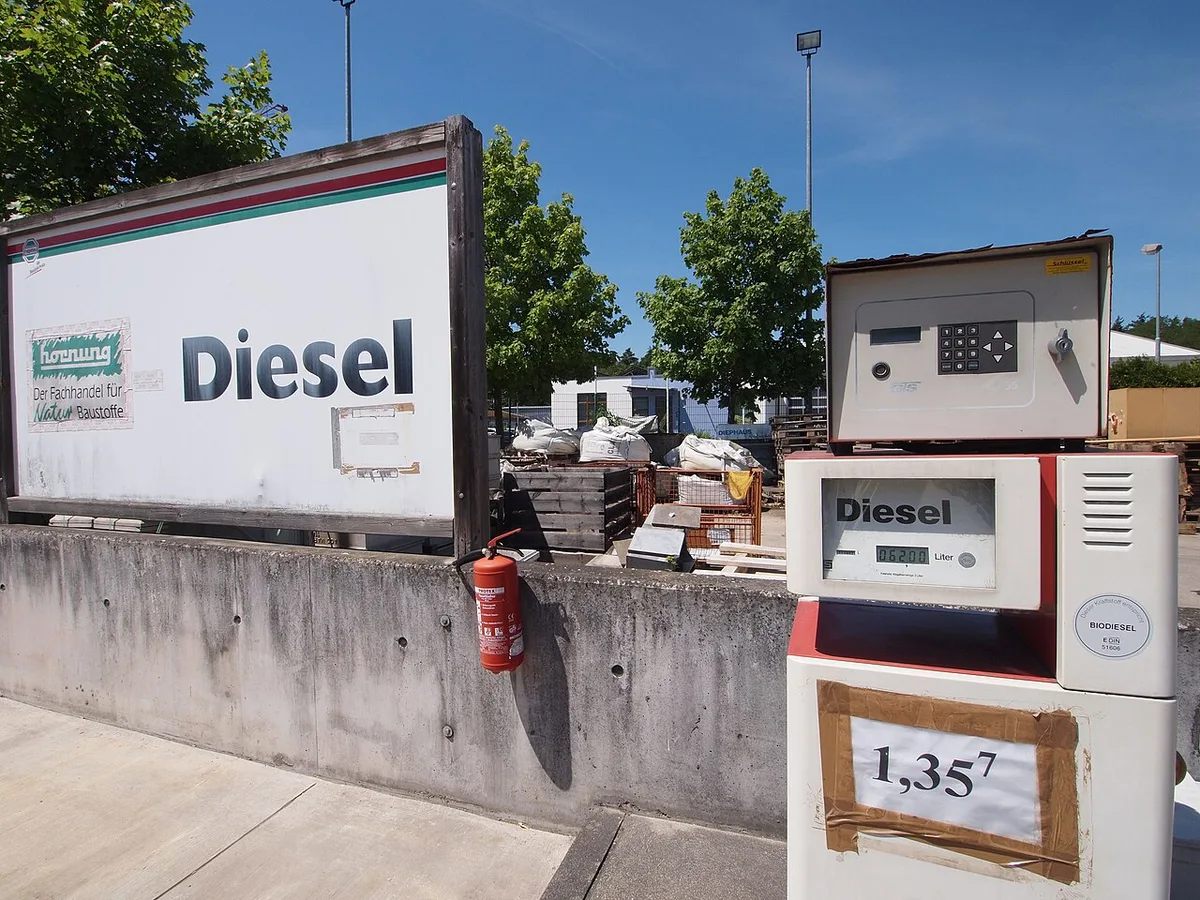
Image source: Wikimedia Commons / Ikar.us (CC BY)
How Biodiesel Works

Image source: Wikimedia Commons / Rifleman 82
Core chemistry: transesterification
The process begins with filtered vegetable oil or waste cooking oil. Methanol and a catalyst are added, then the mixture is heated to 120‑180 °C. The chemical reaction splits the oil into biodiesel and glycerine.
After the reaction, the two liquids separate because glycerine is denser.
Key specs that matter
| Property | Typical Range | Why it matters |
|---|---|---|
| Cetane number | 48‑52 | Guarantees smooth ignition |
| Cloud point | 0‑10 °C (varies) | Affects cold‑weather performance |
| Viscosity (40 °C) | 2.5‑4.5 cSt | Influences fuel flow and spray |
Proper handling also protects fuel lines, similar to how protecting fuel lines works on a truck bed. For deeper technical data, refer to NREL.
Step‑by‑Step Process
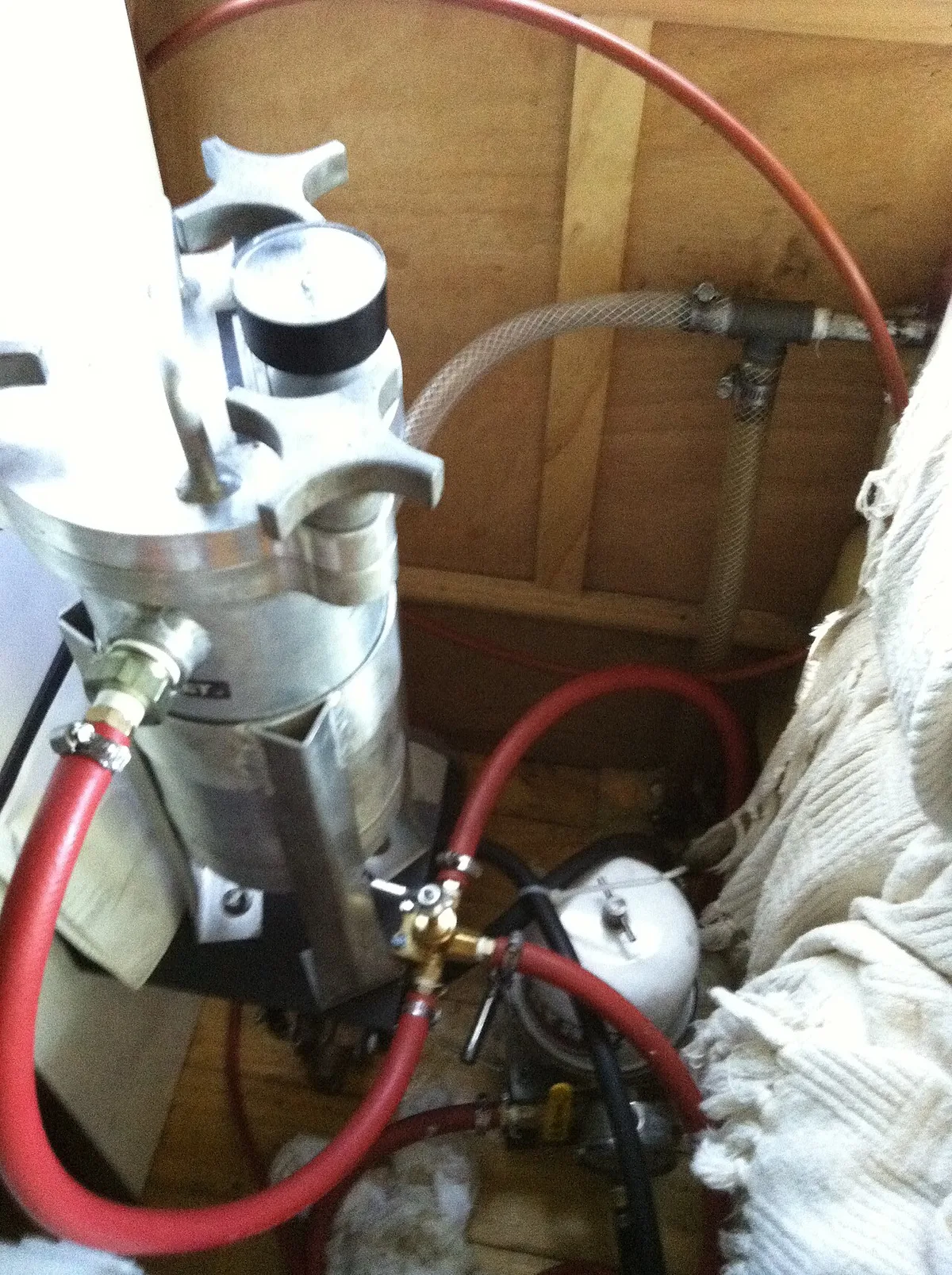
Image source: Wikimedia Commons / ArtofCulturalEvolution (CC BY-SA)
Feedstock preparation
Collect and filter the oil to remove debris and water. Heat the oil to 60‑80 °C to improve flow. This step prevents contaminants from spoiling the catalyst later.
Reaction and separation
Add methanol and a catalyst, then mix at 120‑180 °C for 30‑60 minutes. After the reaction, let the mixture settle for 30‑60 minutes. Glycerine will sink, leaving biodiesel on top.
Washing and drying
Wash the biodiesel with water or a mild acid solution to remove soap and excess catalyst. Drain the wash water and dry the fuel to below 0.1% moisture. Drying typically takes 12‑24 hours at 50‑60 °C.
Blending and fueling
Blend biodiesel with petro‑diesel to achieve the desired B‑ratio, often B20. Store the blend in a clean, sealed tank. Before driving, tightening bolts correctly ensures the fuel system stays secure.
Use Cases, Benefits & Drawbacks
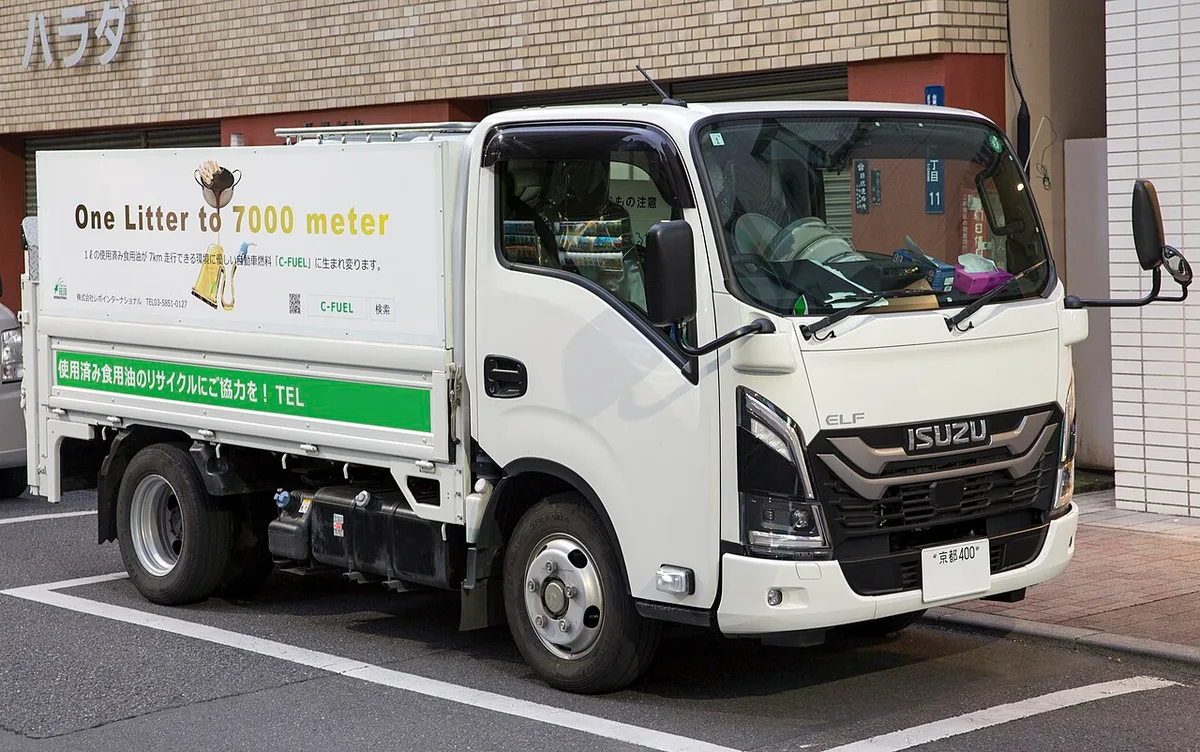
Image source: Wikimedia Commons / Mr.choppers (CC BY-SA)
Who should use it
Rural homeowners with backup generators find biodiesel reliable for occasional use. Marine operators appreciate the higher lubricity that reduces wear on pumps. Agricultural producers often run irrigation pumps on B100 to avoid diesel fuel taxes.
Pros
- Renewable and biodegradable, supporting local farmers.
- Higher lubricity reduces engine wear compared with petro‑diesel.
- Eligible for tax credits and Renewable Fuel Standard credits.
Cons
- Cold flow can gel below 0 °C, requiring winter‑grade blends.
- Higher upfront cost and limited retail availability in some regions.
- Some older engines need fuel‑line upgrades to handle biodiesel.
The energy density is about 10% lower than diesel, so you plan trips like you would for similar energy calculations. Weighing these factors helps decide if biodiesel fits your operation.
FAQs
Can I run biodiesel in any diesel engine?
Most modern diesel engines can run B20 without modification. Older engines may need fuel‑line upgrades or seals that tolerate biodiesel. Always check the manufacturer’s warranty before switching.
How do I store biodiesel safely?
Store biodiesel in a clean, sealed tank away from direct sunlight and heat. Keep moisture below 0.1% to prevent microbial growth. Rotate stock every six months to maintain freshness.
What’s the difference between B20 and B100?
B20 is 20% biodiesel blended with 80% petro‑diesel, offering a balance of cost and performance. B100 is pure biodiesel, delivering maximum renewable content but requiring colder‑weather handling. Choose based on climate, engine compatibility, and budget.
Do I need special filters for biodiesel?
Yes, use filters rated for biodiesel to capture finer particles that can clog older fuel systems. Replace filters more frequently during the first few tanks after switching. This helps avoid deposits and keeps the engine running smoothly.
Before switching fuels, you check fluid levels just as you would for a mower, so checking fluid levels is a good habit to keep.
