
When a diesel engine refuses to start in sub‑zero weather, you’re probably wondering how does a glow plug system work. The system heats the combustion chambers for a few seconds to ignite fuel until the engine warms up. Without it, cold starts would be unreliable and fuel‑waste would soar.
Per SAE J1135 testing, a glow plug must reach 500 °C within five seconds to guarantee ignition. Most OEM plugs are rated for 12 V DC and draw 1, 2 A during heating. After the engine reaches operating temperature, the control module disables the plug automatically.
Below is a concise answer followed by the step‑by‑step process you need to know.
How Does a Glow Plug System Work
A glow plug system heats a diesel engine’s cylinders to enable cold starts.
The control module activates the plug for 2‑5 seconds when the engine is cranked.
A temperature sensor confirms the plug reaches 500 °C before disengaging.
If the plug fails, the engine will misfire or not start at all.
The system resets automatically after the engine reaches operating temperature.
Step-by-Step Process
Before you start, gather the tools and verify the battery is fully charged. A discharged battery can cause the control module to fail to activate the plug.
| Item | Specification | Typical Cost |
|---|---|---|
| 12 mm socket wrench | 12 mm drive, 6‑inch length | $15‑$25 |
| Glow plug socket (if needed) | 16 mm, insulated | $20 |
| Multimeter | Digital, 0‑20 V range | $20‑$40 |
| New glow plug (OEM) | 12 V, 500 °C rating | $30‑$120 |
| Safety gloves | Insulated, nitrile | $5 |
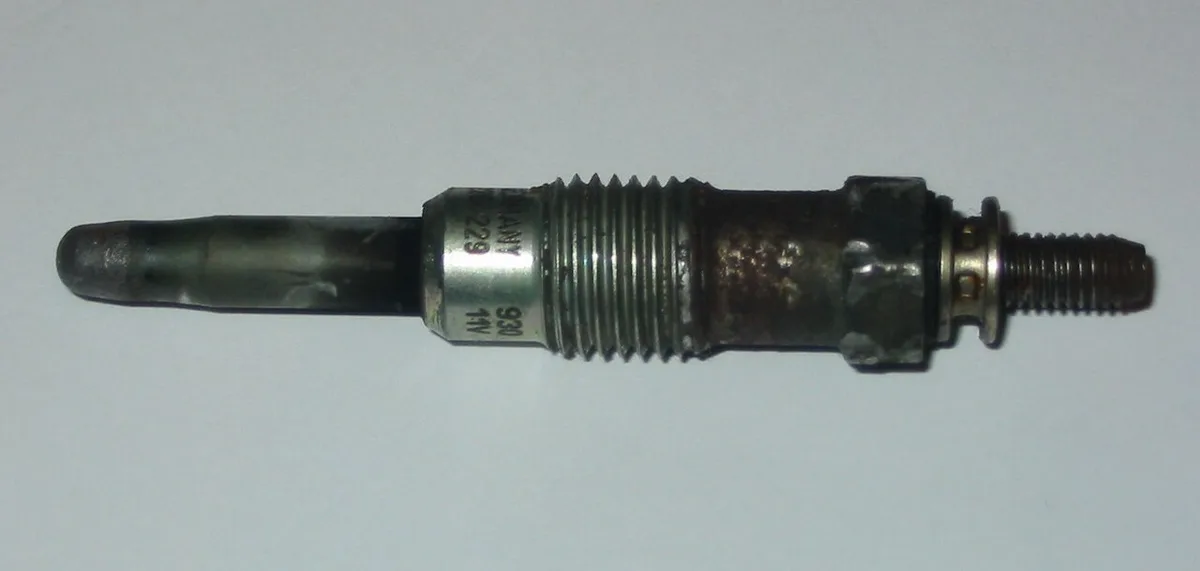
- Disconnect the battery to avoid electrical shorts.
- Remove the engine cover and locate the glow plug at the cylinder head.
- Use a 12 mm socket to unscrew the plug; note the torque specification (typically 8 Nm). For proper torque, see our guide on impact wrench use.
- Inspect the plug for carbon buildup; clean if needed.
- Install the new plug, torque to spec, and reconnect the wiring harness.
- Reconnect the battery, start the engine, and listen for the glow plug click.
- If the engine misfires, check the fuse and relay before replacing again.
After starting, the glow plug should click for 2‑5 seconds. If you hear no click, the relay or fuse may be faulty. If the glow plug still fails, you might try an alternative method like spraying starter fluid.
Mistakes to Avoid & Safety
Never work on the glow plug with the battery connected; always disconnect first.
Do not reuse a damaged plug; the heating element can break and cause internal damage.
Avoid overtightening the plug; exceeding torque can strip cylinder head threads.
Always wear insulated gloves and eye protection when handling hot components.
Keep a fire extinguisher nearby; the plug can glow red for a few seconds after removal.
Vehicles must also meet EPA 40 CFR Part 86 emissions; see the official EPA regulations. Always keep a recovery point nearby; learn what it is in our article on car recovery point. After a replacement, you may need to top up fluids; follow the steps in our transmission fluid guide.
Costs & Specs
OEM glow plugs typically cost $30‑$120 per unit, while aftermarket options range $15‑$70.
The standard activation temperature is 500 °C, and the heat‑up time is 2‑5 seconds.
Most plugs have a service life of 30,000, 100,000 mi, depending on operating conditions.
Compare these figures to typical lug nut prices when budgeting for a full engine tune‑up.
Frequently Asked Questions
How long does a glow plug take to heat up?
A glow plug reaches its target temperature in 2‑5 seconds after the engine is cranked. The control module then turns it off once the sensor confirms 500 °C. This quick heat‑up is why diesel engines start reliably in cold weather.
What are the signs of a faulty glow plug?
Common signs include a no‑start condition, prolonged cranking, white exhaust smoke, and a clicking sound that stops too soon. If the engine misfires after a cold start, the glow plug may not be heating properly. Checking the fuse and relay first can rule out electrical issues.
Can I replace a glow plug myself?
Yes, if you have basic hand tools and follow safety steps. Disconnect the battery, remove the plug with a 12 mm socket, and install the new one to the specified torque. Always verify the heating cycle before reinstalling the engine cover.
Do glow plugs differ between diesel and gasoline engines?
Yes, diesel engines rely on glow plugs for cold starts, while gasoline engines use spark plugs. Glow plugs are designed to withstand high temperatures and provide intense localized heat. They are not interchangeable between fuel types.
How often should glow plugs be replaced?
Replace them when you notice cold‑start difficulty or after the recommended service interval of 30,000, 100,000 mi. Severe cold climates may shorten this interval. Regular inspection during routine maintenance helps catch wear early.
