
If you've ever wondered how does a v6 engine work, you're in the right place. A V6 combines six cylinders in a V shape to deliver smooth power. This guide breaks down the layout, components, and common issues.
You'll see what to expect from the factory specs and how to keep it running.
Manufacturer data show most modern V6s produce 250 to 450 horsepower and meet EPA Tier 3 emissions as of 2026. Typical displacement ranges from 2.7 L to 4.3 L across popular models. You can find the exact firing order printed on the engine block, usually 1‑6‑5‑4‑3‑2.
Let's start with the visual core that shows exactly how the engine operates.
How Does a V6 Engine Work
Why visuals matter for understanding the V6 layout
Seeing the V6’s cylinder banks laid out side by side makes the power flow obvious. A visual shows the compact V shape that lets the engine sit lower than an inline‑six, improving handling. Just as hand placement matters for steering, the V layout matters for engine balance.
What the diagrams show: cylinder bank, firing order, and airflow
The diagram marks each cylinder with its firing order number, usually 1‑6‑5‑4‑3‑2. Airflow paths are drawn from intake to exhaust, highlighting how the V shape balances intake and exhaust pulses. Referencing a SAE technical paper confirms these relationships and helps you spot misfires during a visual inspection.
Key Components & What They Do
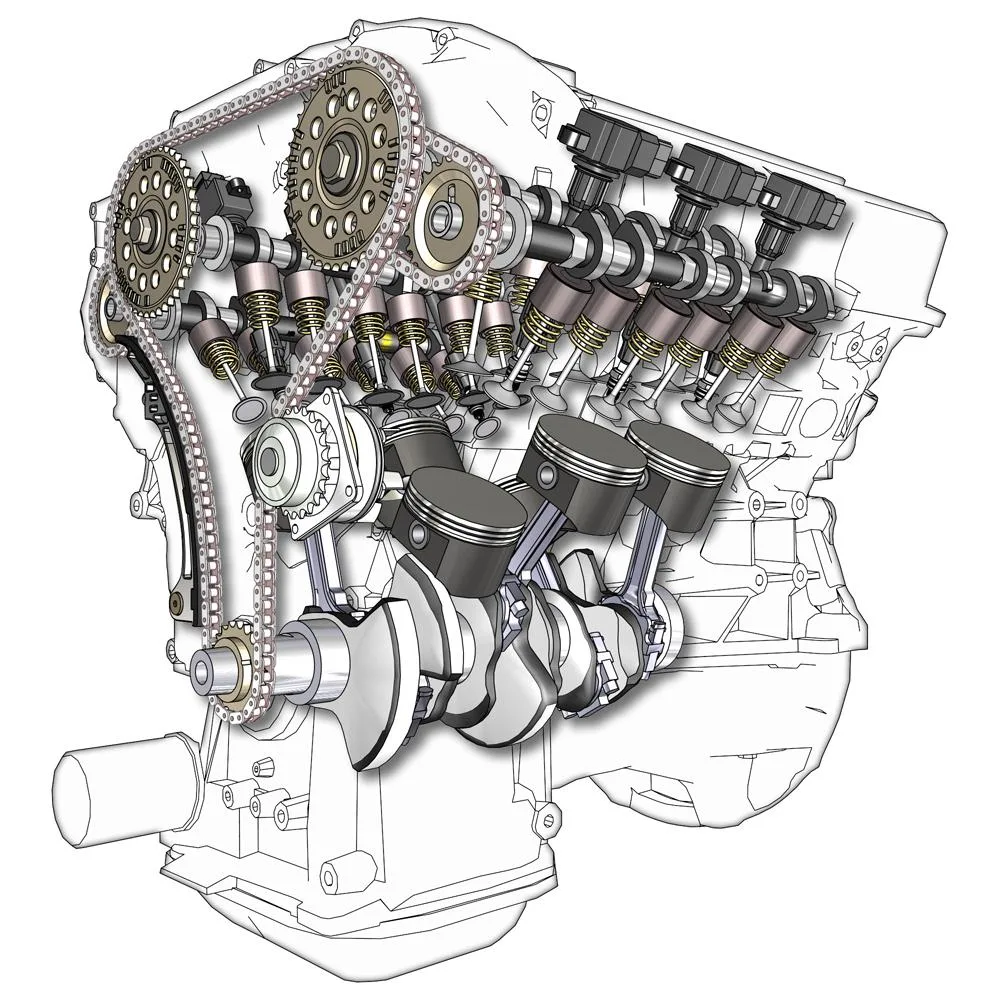
Cylinder block, crankshaft, pistons (materials and sizes)
The cylinder block is usually cast aluminum alloy, providing strength while keeping weight low. The forged steel crankshaft converts piston motion into rotational power and is balanced to reduce vibration. Hypereutectic aluminum pistons are heat‑treated for durability and fit precisely in the bore.
- Block material: Aluminum alloy, weight ~350 lb
- Crankshaft: Forged steel, stroke ~3.5 in
- Piston design: Hypereutectic aluminum, compression ratio 9.5:1, 10.5:1
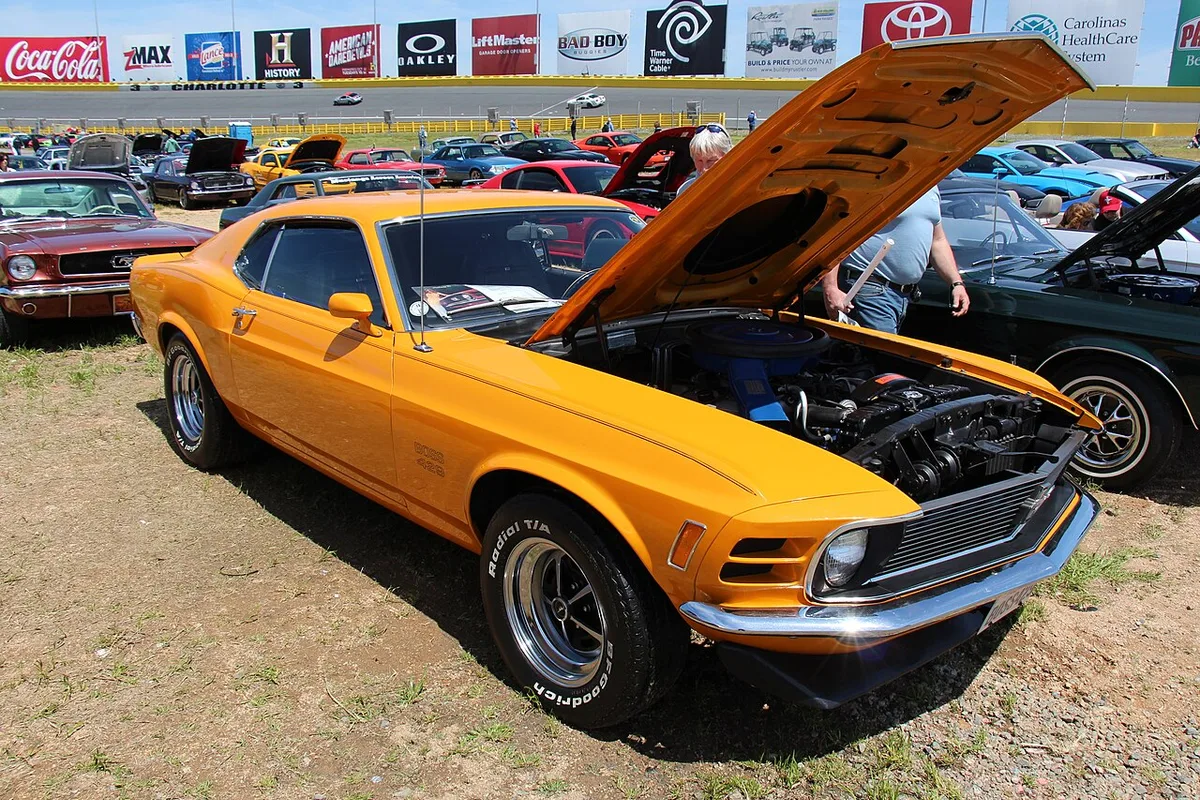
Valve train: SOHC/DOHC, timing chain vs belt
Most modern V6s use a dual overhead camshaft (DOHC) design for precise valve timing. The timing chain is common on Ford and Toyota models; a belt is used on some Honda units. When you adjust the timing chain, use a torque wrench to meet the spec, similar to tightening torque on wheel nuts.
Fuel & ignition: port vs direct injection, spark plug placement
Port injection delivers fuel before the intake valve, while direct injection sprays into the cylinder for better atomization. Spark plugs are positioned in the combustion chamber to ignite the air‑fuel mixture at the optimal moment. Keeping the fuel system clean prevents deposits that can mimic a timing issue, just like proper fluid level matters for small engines.
| Component | Material | Typical Spec |
|---|---|---|
| Cylinder block | Aluminum alloy | 2.7 L – 4.3 L displacement |
| Crankshaft | Forged steel | 3.5 in stroke |
| Pistons | Hypereutectic aluminum | 9.5:1 – 10.5:1 compression |
| Valve train | Steel (SOHC/DOHC) | 4 valves per cylinder |
| Fuel system | Port or direct injection | 250 – 450 hp output |
Benefits, Drawbacks & Who It’s Best For
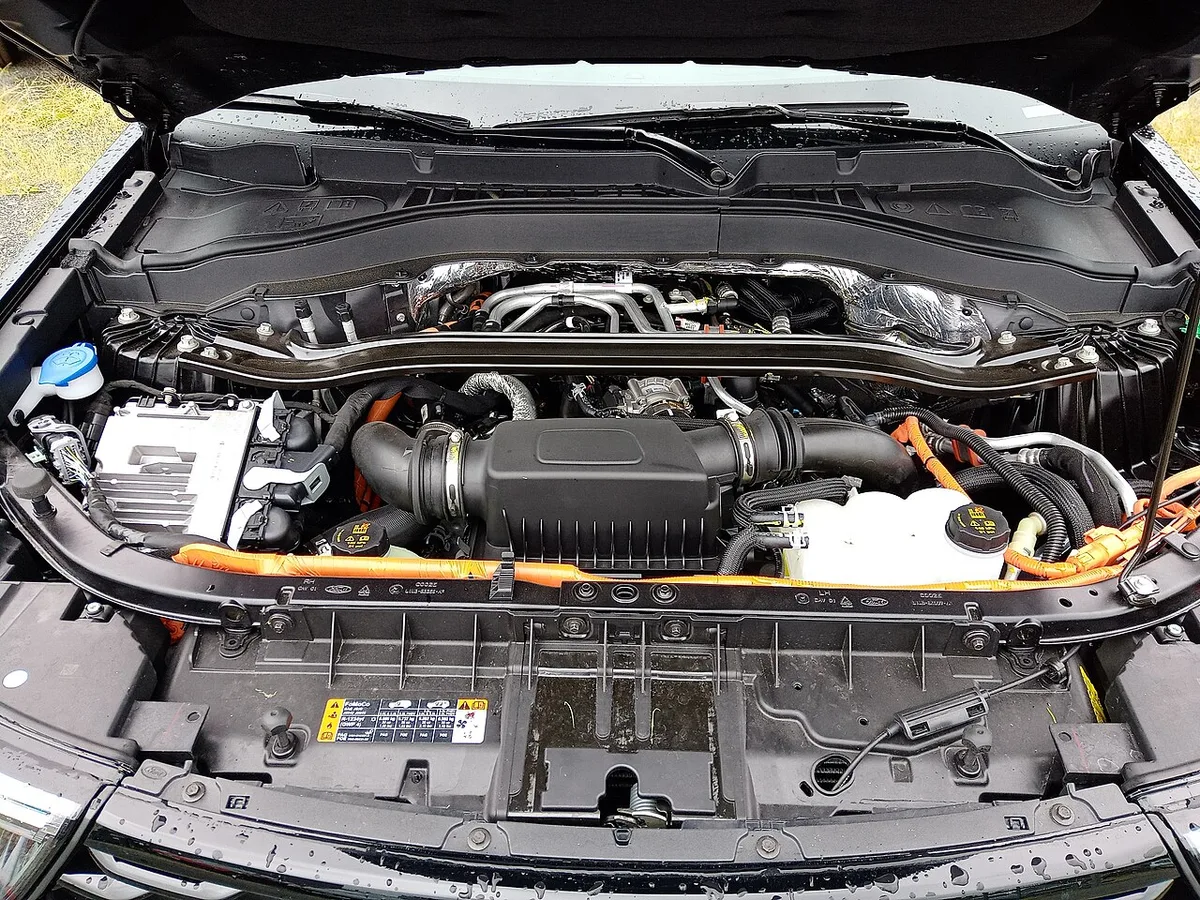
Power delivery, fuel economy, packaging advantages
The V configuration reduces engine length, allowing tighter front‑engine placements. Torque peaks earlier than inline‑four engines, giving smoother acceleration. Fuel economy typically beats larger V8s while still offering enough power for daily driving.
Common failures
Timing chain tensioner wear can cause slack and noisy operation. Cylinder head gasket failure leads to coolant loss and overheating. Oil consumption rises when piston rings wear, similar to how a small engine loses oil over time.
Ideal applications
Midsize sedans such as the Toyota Camry V6 benefit from the compact size and smooth power. SUVs like the Ford Explorer use the V6 for payload capacity and towing ability. Performance coupes such as the BMW M340i rely on the V6’s high‑revving nature for sportier response.
Step‑by‑Step Visual Guide: Disassembly to Break‑In
Visual teardown checklist
Remove the intake manifold and exhaust headers to expose the cylinder heads. Disconnect the timing chain tensioner and mark each gear before removal. Document torque settings for each bolt; a visual record prevents re‑assembly errors.
Reassembly cues
Install the new gasket with the correct orientation shown in the service manual. Torque the main bearing caps to the manufacturer’s spec, using a calibrated wrench. Verify valve clearance with a feeler gauge before closing the cover.
Break‑in visual milestones
Monitor oil pressure gauge after the first 30 minutes of run‑time. Check for coolant leaks around the head gasket during the first 500 mi. Perform a compression test and compare readings to the chart in the service manual for confirmation.
Frequently Asked Questions
How much does it cost to replace a Ford 3.5 L EcoBoost V6?
Labor and parts typically range from $4,500 to $7,200, depending on location and whether the block is reused. OEM replacement includes the crankshaft, pistons, and gaskets. Aftermarket options can lower the bill but may void warranty coverage.
What are the most frequent V6 problems and how can I spot them visually?
Timing chain wear shows as slack when you pull the chain; head gasket failure appears as white coolant in the oil. Excessive oil consumption is visible as low levels between changes. A visual inspection of the valve covers can reveal oil leaks early.
How often should I service a V6 engine and what visual checks are required?
Manufacturer schedules call for a timing chain inspection at 60,000 mi and a major rebuild at 150,000 mi. Check for cracked hoses, worn belts, and oil discoloration every 5,000 mi. A quick look at the spark plugs can reveal combustion issues before they become costly.
Can I safely turbocharge a naturally aspirated V6?
Yes, if the block, pistons, and connecting rods are rated for the added stress. Look for forged internals and upgraded oiling; many aftermarket kits include these upgrades. Ignoring the internal strength can lead to catastrophic failure, similar to how bolt cost matters for wheel safety.
Are there any legal requirements for modifying a V6’s emissions system?
All road‑legal V6s must meet EPA Tier 3 standards; removing catalytic converters is illegal. Keep the OBD‑II system intact to pass state inspections. Non‑compliant mods can result in fines and registration denial.
