
Ever wonder how does rack and pinion steering work in a car? The system uses a small pinion gear that meshes with a straight rack. As the steering column spins the pinion, the rack slides left or right, moving the wheels.
Most modern passenger cars use this arrangement for precise, low‑effort steering.
SAE J590 defines the gear ratio for rack and pinion systems between 12:1 and 20:1 as of 2026. This ratio determines how many wheel turns you get per full steering wheel rotation. Typical fluid pressure in hydraulic assist runs around 800 to 1,200 psi during operation.
With that background, we’ll explore the essential components and how they fit together.
How Does Rack and Pinion Steering Work
The steering shaft spins a small pinion gear. The pinion meshes with a toothed rack. Rack movement translates rotation into linear steering motion.
Power assist multiplies the driver’s input force. Hydraulic or electric assist reduces steering effort dramatically.
Essential Parts: Rack, Pinion, Gear Housing, and Power‑Assist Components
Understanding the components helps you diagnose problems and perform maintenance correctly. Below are the main parts that make the system work.
- Rack: A linear gear with teeth that slide inside the housing, moving the tie‑rod ends.
- Pinion gear: A circular gear attached to the steering column that meshes with the rack.
- Gear housing: Usually aluminum or steel, it holds the rack, pinion, and seals.
- Tie‑rod ends and idler arm: Connect the rack to the steering knuckle and maintain alignment.
- Power‑assist pump: Hydraulic or electric unit that supplies pressure to reduce driver effort.
The rack slides within a precision‑machined housing that keeps the gear mesh tight. When you replace the rack, verify the proper fluid level before re‑installing the pump.
| Component | Key Spec | Typical Value |
|---|---|---|
| Rack travel | Linear travel | 3.5–4.5 in (compact cars) |
| Pinion diameter | Diameter | 1.5–2.0 in |
| Gear ratio | Ratio | 12:1 to 20:1 |
| Power‑assist pressure | Operating psi | 800–1,200 psi |
| Fluid type | Recommended fluid | ATF Dexron III or OEM spec |
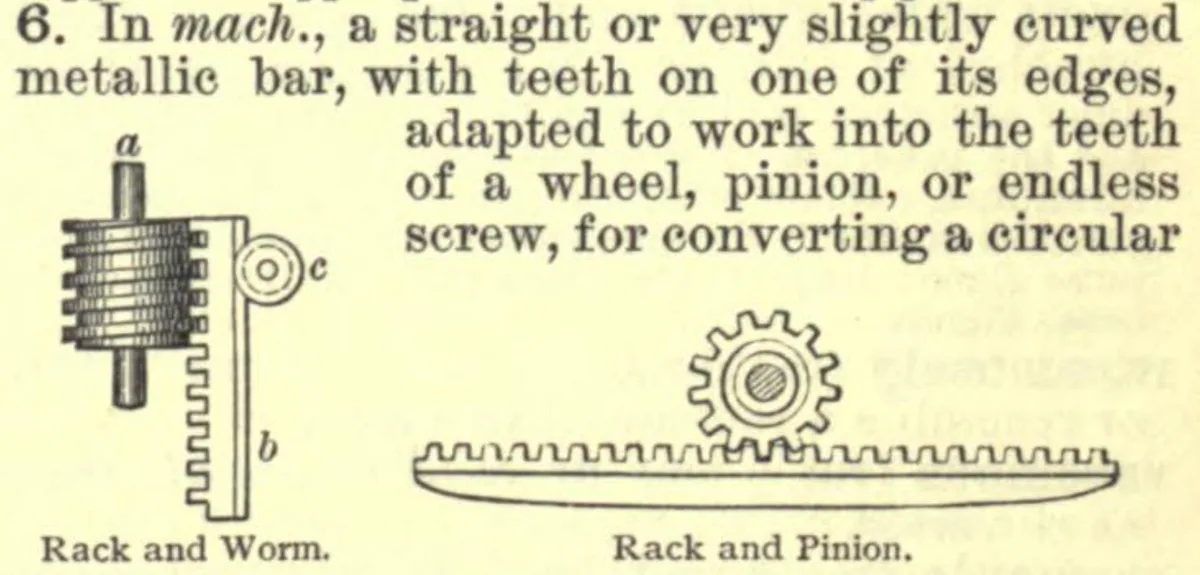
Image source: Wikimedia Commons / Unknown author
Periodic inspection of the rack bushings and seal condition prevents costly replacements down the road. Check the hand placement on the wheel after any adjustment to ensure comfort.
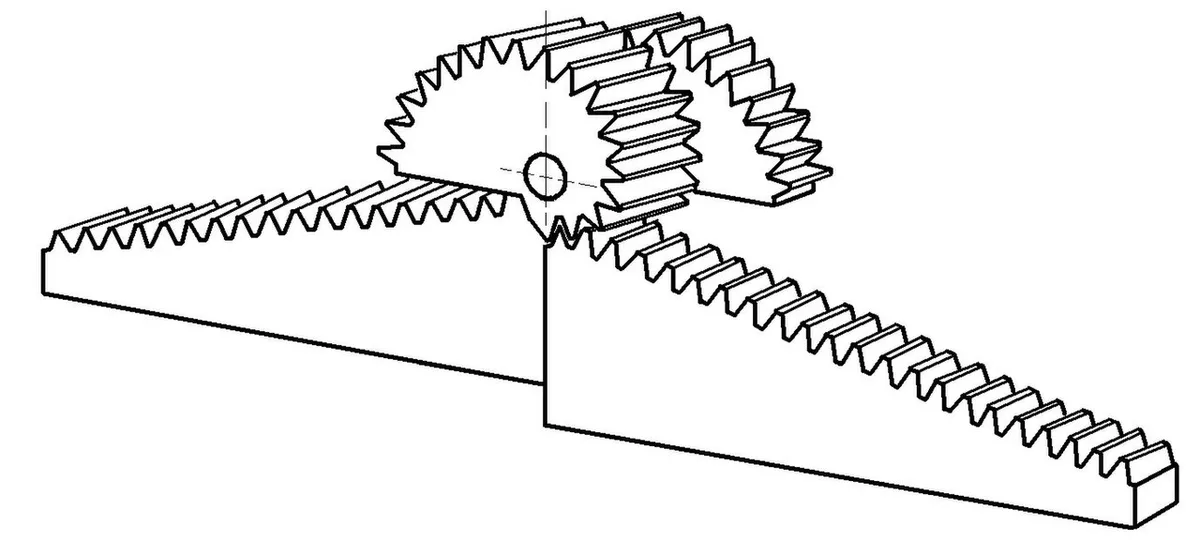
Image source: Wikimedia Commons / No machine-readable author provided. Wmb~commonswiki assumed (based on copyright claims). (CC BY-SA)
Pros, Cons, and Ideal Applications for Rack and Pinion Systems
This system offers clear advantages but also has limitations compared with newer alternatives. Knowing both helps you decide if it fits your vehicle and driving style.
Pros
- Direct, linear steering feel for precise control.
- Simple design with fewer moving parts than recirculating‑ball systems.
- Easy to service; rack and fluid are replaceable.
- Low manufacturing cost, common across many models.
- The direct feel also helps drivers feel road imperfections more clearly.
Cons
- Can develop play over time as the rack wears.
- Limited to moderate steering loads; heavy trucks often use other designs.
- Power‑assist fluid leaks can cause loss of assistance.
- Noise and vibration may increase if seals fail.
For drivers of passenger cars, crossovers, and performance sedans, the quick response is ideal. Light trucks that exceed the load capacity often switch to worm‑gear or recirculating‑ball setups. If you modify a classic car, retaining the original rack keeps the steering character authentic.
For track‑day cars, a lower gear ratio rack can improve turn‑in speed, but may increase driver effort at low speeds. Follow NHTSA steering guidelines for safety compliance.
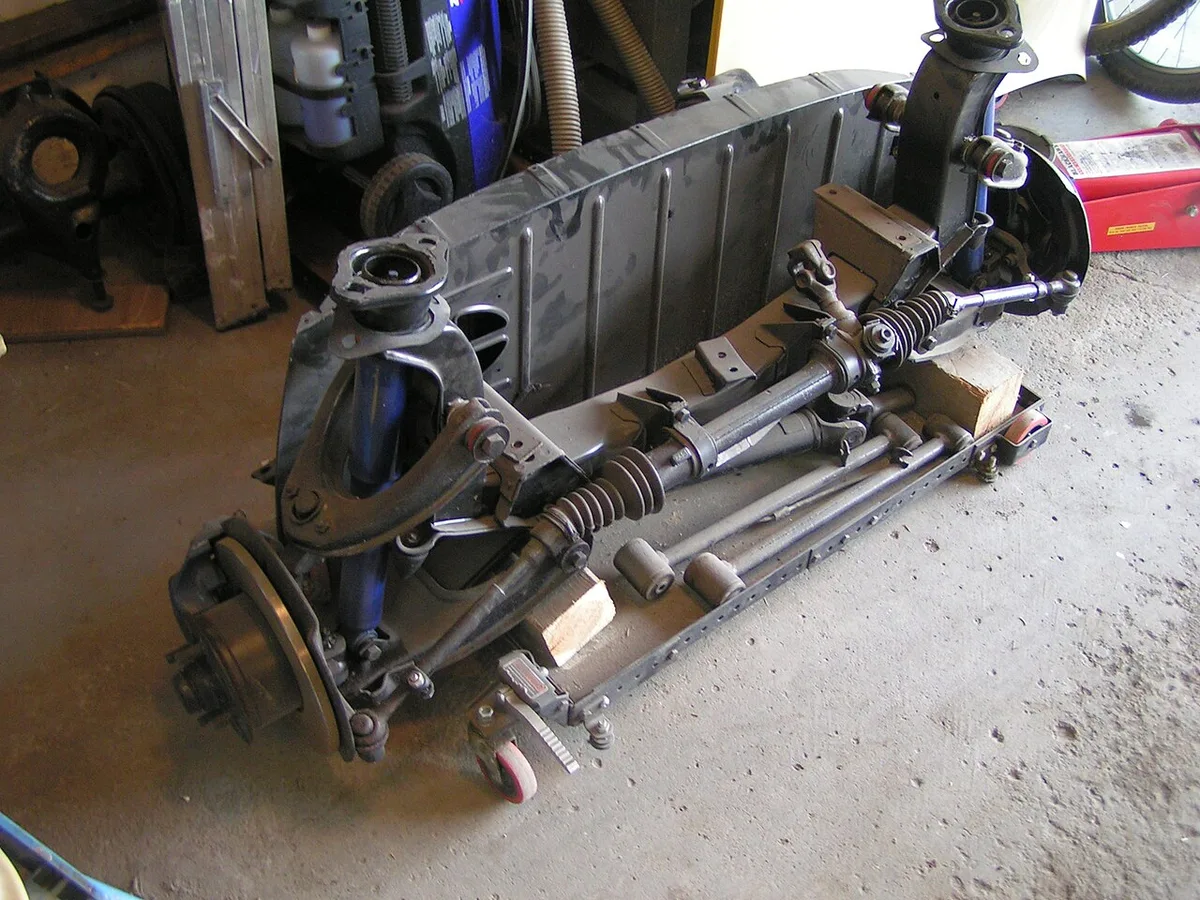
Image source: Wikimedia Commons / dave_7 (CC BY-SA)
Visual Walkthrough: Installing, Inspecting, and Troubleshooting the Rack
Following a visual guide reduces mistakes when you replace or service the rack. The steps below assume you have basic hand tools and a safe workspace.
- Safety first: Disconnect the battery, lift the vehicle, and support it on jack stands.
- Remove the steering wheel: Unbolt the steering column shaft and set the wheel aside.
- Disconnect tie rods: Loosen the tie‑rod ends at the rack and idler arm.
- Extract the rack: Unbolt mounting bolts, slide the rack out, and inspect for wear.
- Install new rack: Torque bolts to manufacturer spec (usually 55 Nm). Reconnect tie rods.
- Refill and bleed power‑assist fluid: Add ATF Dexron III, start the engine, and turn the wheel to purge air.
- Test operation: Check for smooth movement, proper assist, and no unusual noises.
After reinstalling the steering column, align the steering wheel before tightening the nut. If you notice persistent noise, uneven steering, or fluid loss after replacement, have a professional inspect the gear housing and seals. Use the diagnosing issues scanner to check for any stored codes after the repair.
FAQs About Rack and Pinion Steering
Why does my steering feel loose after a rack replacement?
The new rack may still have clearance, or the tie‑rod ends could be worn. Also check the fluid level and bleed any air from the system. Ensure the steering wheel is centered before final tightening.
Can I drive with a failing power‑assist pump?
You can drive, but steering will be much heavier and may drift. The risk of sudden loss of assist is low, but repair promptly to avoid strain on the driver and potential safety issues.
How often should I flush the power‑steering fluid?
Manufacturer guidelines typically recommend a flush every 30,000 mi or three years, whichever comes first. More frequent flushes are wise if you notice foaming or dark fluid.
What are the signs of a worn rack gear?
Listen for clunking noises, feel uneven steering response, and notice excessive play in the wheel. Fluid leaks around the rack housing also indicate seal or gear wear.
Regular checks of the rack and power‑assist system keep your steering safe and responsive for years.
