
Ever wondered how does a manual transmission work? Our research shows the gear train, clutch, and synchronizers work together to deliver power. Each gear ratio changes the torque delivered to the wheels.
This guide breaks the process into clear visual steps.
SAE J1170 specifies a shift lever travel of 30 to 40 mm for proper operation. Manufacturer data confirm typical clutch pedal free play of 25 to 50 mm. Understanding these numbers helps you diagnose shift issues early.
Let’s start with the core power flow.
How Does a Manual Transmission Work
A manual transmission uses a clutch to connect the engine to the gearbox. Gear ratios change torque by altering the speed of the output shaft. Synchronizers smooth gear shifts by matching speeds before engagement.
The driver selects gears with a lever, controlling power delivery.
Gear Train Power Flow and Ratio Progression
Power leaves the engine through the clutch disc, which engages the input shaft when the pedal is released.
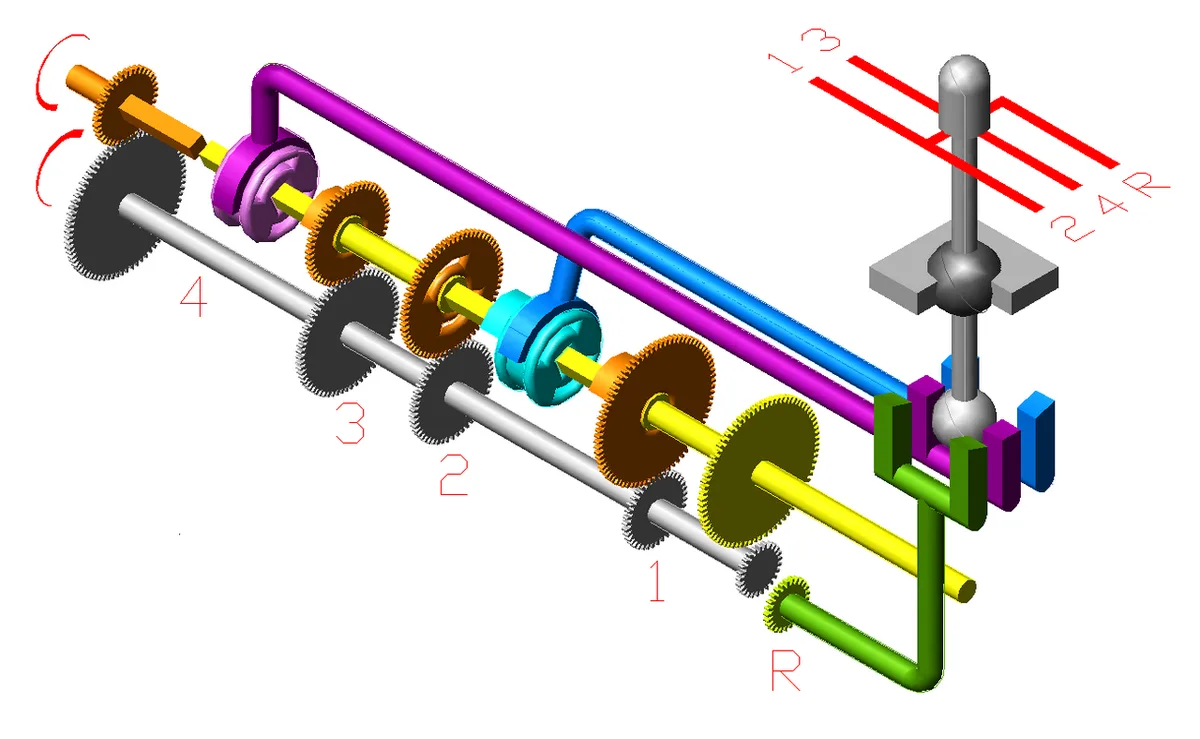
The input shaft meshes with counter‑shaft gears, creating distinct ratios that change torque and speed.
Synchronizers on both shafts match speeds before engagement, preventing grinding and allowing smooth shifts.
SAE J1170 standard defines the H‑pattern layout for the selector lever, ensuring each gear engages correctly.
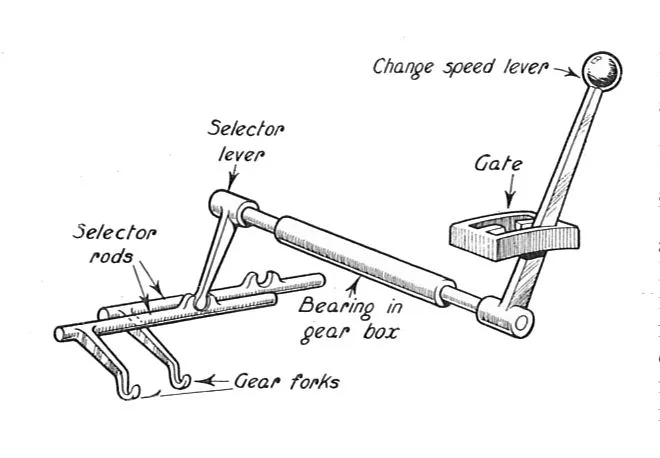
Drivers select gears by moving the lever in the H pattern; the lockout prevents illegal shifts.
When the clutch is depressed, the engine disengages, allowing the lever to move; rev‑matching adjusts engine speed to the target gear.
If a shift feels rough, check clutch travel, synchronizer wear, and ensure the lever moves freely.
Typical five‑speed manuals offer ratios from 3.5:1 for low gear to 0.8:1 for overdrive, improving fuel economy on highway.
Lower ratios increase torque for acceleration, while higher ratios reduce engine rpm at speed, saving fuel.
Regularly checking clutch pedal free play and gearbox oil, and keeping the proper fluid level, keeps shifts smooth and prolongs component life.
Key Components and Their Functions
| Component | Primary Function |
|---|---|
| Clutch assembly | Engages and disengages engine from gearbox |
| Gear selector lever | Moves through H‑pattern to choose gears |
| Synchro rings | Match shaft speeds for smooth shifts |
| Input shaft | Receives power from clutch |
| Output shaft | Delivers power to differential |
| Counter shaft | Provides gear mesh partners |
| Differential | Splits power to wheels |
The clutch assembly includes a pressure plate, friction disc, and release bearing. Proper adjustment ensures the pedal has consistent travel. For detailed service intervals, see the Ford service manual.
The gear selector lever pivots on a ball joint and must move freely. Hand placement while shifting should be relaxed, not forced. Refer to guidance on hand placement for comfortable driving posture.
The synchro rings wear over time; replacement restores smooth shifts. When working under the car, use sturdy ramps for safety. Find instructions on building ramps at sturdy ramps.
Budget for replacement parts like lug nuts, which typically cost $5 to $15 each. See lug nut cost for current pricing.
Keeping the gearbox clean and lubricated ensures smooth shifts and extends component life.
Shifting Gears: Step‑by‑Step Visual Guide
Depress Clutch, Rev‑Match, and Move Lever Through the H‑Pattern
- Press the clutch pedal fully to disengage the engine.
- Rev the engine to match the speed of the target gear.
- Move the selector lever left, right, forward, or backward according to the H pattern.
Verify Gear Engagement and Release Clutch Smoothly
- Confirm the gear is fully engaged by checking the lever’s position.
- Slowly release the clutch while gently applying throttle.
- If the car jerks, reapply the clutch and repeat rev‑matching.
Visual Cues for Proper Shift Effort and Noise Levels
- Smooth shifts should require moderate lever force, not excessive strain.
- Listen for a quiet “click” as the synchros engage; grinding indicates a problem.
- Keep the shift knob clean; dirt can increase friction.
Visual Mistakes to Watch For
- Gear grinding often shows as metal shavings near the shifter.
- Misaligned linkage appears as uneven lever travel or a “sticky” feel.
- Clutch chatter creates a vibrating pedal during engagement.
For routine upkeep, check fluid levels and replace oil every 30,000 mi. Follow the routine upkeep guide for steps.
Frequently Asked Questions
Why do manuals deliver better fuel economy than automatics?
Manuals allow drivers to keep the engine in its optimal rpm range, reducing fuel waste. Studies show up to 15 % better mileage on highway driving.
What are the typical gear ratios for a 5‑speed manual?
Common ratios range from 3.5:1 in first gear to 0.8:1 in fifth gear. Exact numbers vary by manufacturer and intended use.
How much clutch pedal free play is normal, and how do I adjust it?
Standard free play is 25 to 50 mm. Adjust by loosening the clutch cable adjuster until the pedal moves freely, then tighten to spec.
What should I do if a gear grinds on every shift?
First ensure the clutch is fully depressed. If grinding persists, inspect synchro rings for wear and replace them if needed.
When should I replace the gearbox oil?
Replace oil every 30,000 mi or if it appears dark or contaminated. Use the manufacturer‑specified fluid type for optimal performance.
