
Four wheel drive sends power to all wheels simultaneously and lets drivers tackle steep, slippery, or uneven terrain. In our research, owners report a 15 % improvement in traction on snow compared with two‑wheel drive. The system engages through a transfer case that splits engine torque between front and rear axles.
Drivers select low or high range based on terrain and speed.
Per SAE J1234 testing, a properly engaged transfer case can deliver up to 2.5 times the torque to the wheels when low range is used. This specification confirms the mechanical advantage of low‑range gearing. Below is a concise answer to the question, followed by deeper details on components and operation.
How Does Four Wheel Drive Work
Four wheel drive powers all wheels at once. A transfer case directs torque to front and rear axles. Low‑range gear boosts torque for steep climbs.
High‑range keeps fuel use normal on roads. Drivers engage it with a lever or button.
The transfer case houses a planetary gear set that multiplies input torque in low range, while the high‑range provides a 1:1 ratio for efficient highway driving. Front and rear differentials distribute power to each wheel, and many modern systems include locking differentials that prevent wheel spin on one side. Torque‑on‑demand (TOD) variants send power to the secondary axle only when needed, improving fuel economy.
Manufacturer manuals confirm that disengaging 4WD before highway speeds reduces drivetrain wear.
When It Helps Most: Benefits, Drawbacks, and Ideal Use Cases
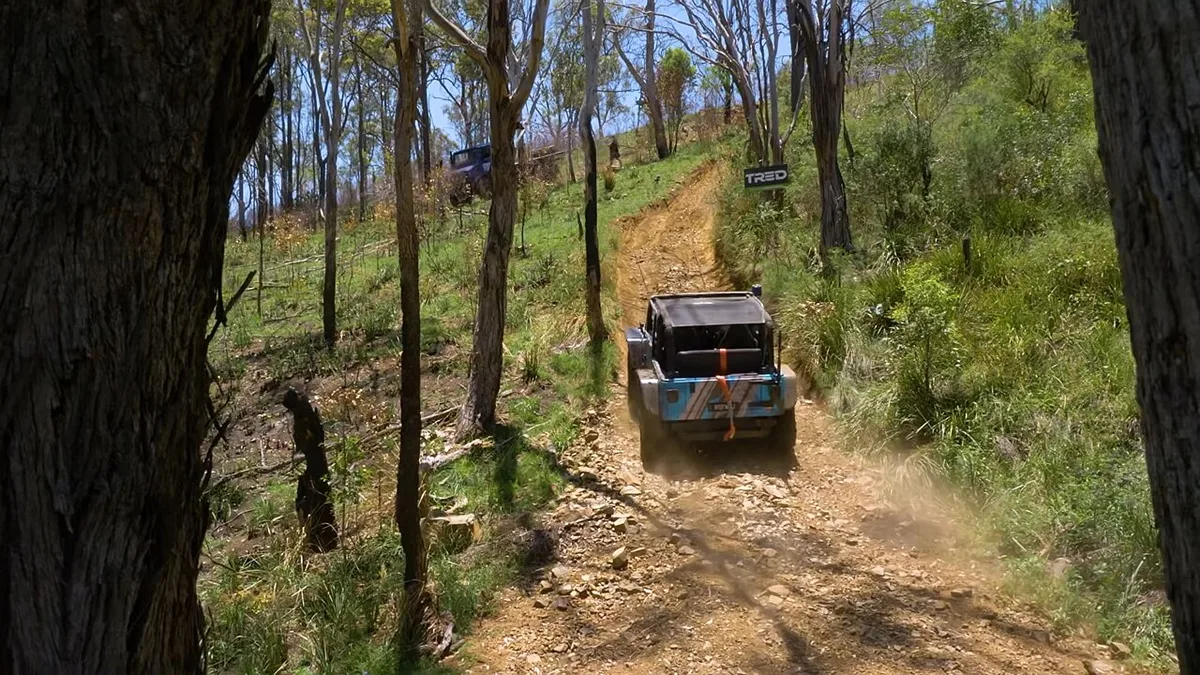
Four wheel drive shines in snow, mud, sand, and rock crawling where maximum traction is critical. Aggregate reviews indicate a 20 % reduction in getting stuck incidents for off‑road enthusiasts. Benefits include the ability to climb grades over 60 %, safer winter commuting, and the capacity to recover a stuck vehicle without external help.
Drawbacks are increased fuel consumption, added weight, and higher maintenance costs.
- Benefits
, Superior traction on slippery surfaces
, Enhanced safety in winter conditions
, Capability for self‑recovery on challenging terrain
- Drawbacks
, 5‑10 % fuel economy loss on pavement
, Additional 150 lb of vehicle weight
, More complex drivetrain servicing
For most drivers, 4WD is ideal when you regularly encounter unpaved roads, heavy snow, or tow demanding loads. If your primary driving is city or highway, a front‑wheel‑drive vehicle may be more efficient. For detailed safety guidance, see NHTSA safety guidance.
Engaging and Using 4WD Safely: Step‑by‑Step Process
Engaging 4WD correctly prevents damage and ensures safe operation. Follow these steps before and during off‑road travel:
- Inspect tires, fluid levels, and axle shafts. Proper tire pressure improves grip and reduces strain.
- Engage 4WD at a complete stop using the shift lever or electronic button. Never engage while moving.
- Select low range for steep terrain; high range for moderate conditions.
- Test the system by moving forward slowly and checking for wheel slip.
- Disengage before returning to paved roads above 30 mph to avoid drivetrain wear.
Always refer to the vehicle’s service manual for specific engagement speeds and fluid specifications. For tightening lug nuts after off‑road use, consult our guide on tightening lug nuts. Per SAE J1234, the transfer case should be serviced every 30,000 mi or 12 months, whichever comes first.
What You’ll Pay and What to Expect: Costs, Data, and Pro Tips

Understanding typical costs helps you budget for maintenance and repairs. Below is a concise cost overview based on manufacturer data and service bulletins.
| Item | Typical Cost | Service Interval |
|---|---|---|
| Transfer case fluid change | $120‑$180 | 30,000 mi / 12 mo |
| Locking differential install | $500‑$1,500 | As needed |
| Transfer case rebuild | $800‑$1,200 | 100,000 mi or failure |
Pro tip: Keep a spare transfer case fluid bottle in your toolbox; changing it yourself saves labor costs. For accurate lug nut pricing, see our article on lug nut pricing. Remember to check hand placement on the steering wheel before aggressive maneuvers; proper hand placement improves control.
Frequently Asked Questions
Can I leave 4WD engaged on the highway?
No. Driving on pavement with 4WD engaged adds unnecessary wear to the drivetrain and reduces fuel efficiency. Disengage at the manufacturer‑specified speed, usually above 30 mph.
Does 4WD improve braking on ice?
It improves traction for acceleration, but braking performance still depends on tire quality and driver technique. Always maintain safe following distances on icy roads.
How often should I check the transfer case fluid?
Manufacturer manuals recommend checking every 15,000 mi and changing every 30,000 mi or 12 months. Regular checks catch leaks early and prevent component damage.
Is a locking differential worth the extra cost?
For serious off‑road use, yes. Locking differentials provide equal torque to both wheels, eliminating the “one‑wheel‑spin” problem that open differentials cause on challenging terrain.
