
When you're trying to figure out how to read a tire dot date, it's one of the most practical things you can do to keep your vehicle safe. The tire dot date, or DOT date code, tells you exactly when the tire was manufactured. Many people ignore this detail and risk driving on tires that have aged beyond safe limits.
According to manufacturer guidelines, tires are typically good for about 10 years from the date of manufacture. This standard helps you decide whether to keep or replace them based on more than just tread wear. Understanding the code is the first step toward making that call.
How to Read a Tire Dot Date
Start by finding the DOT letters on the tire sidewall. Look at the last four digits. The first two numbers are the week.
The last two numbers are the year. This tells you when the tire was made. Always check the inner sidewall too if the outer one is hard to read.
Why You Need to Understand the Tire DOT Date Code
You can see why reading the tire dot date is crucial for safety. The code is molded into the tire sidewall and reveals the manufacture date. Without it, you can't tell if the rubber has aged properly.
This information is especially important when buying a used car or checking a spare tire that hasn't been used in years.
The National Highway Traffic Safety Administration requires the DOT code on all new tires. But the real value comes from what it tells you about the tire's age. Rubber ages from exposure to heat, light, and ozone.
Even if the tread looks good, an old tire can have hidden weaknesses. Checking the date helps you avoid these problems and make better decisions about your vehicle's tires. What is car recovery point for extra safety planning.
Many drivers make the mistake of focusing only on tread depth. But age can cause the sidewalls to harden and crack long before the tread wears out. By learning how to read the dot date, you gain control over this aspect of tire maintenance and keep your ride reliable.
How to build car ramps from wood makes inspection easier too.
Core Facts: Breaking Down the DOT Tire Date
The DOT tire identification number starts with the letters DOT followed by a series of numbers and letters. The last four digits on modern tires give you the manufacture date. The first two of those digits represent the week of the year when the tire was made.
The last two digits show the year.
Before 2000, tires used a three-digit code. The first two digits were still the week, and the last digit stood for the year. So a 512 would mean week 51 in 1991.
Today, the four-digit format is standard for new tires. You can find the full code on the inner sidewall or the outer one. Some manufacturers also include a plant code and size code before the date.
This helps identify exactly which plant produced the tire.
To decode it, focus only on the final three or four digits. Ignore the rest of the number. This makes the process simple and quick.
The week range goes from 01 to 53. Always note if it's a four-digit or three-digit code to avoid confusion.
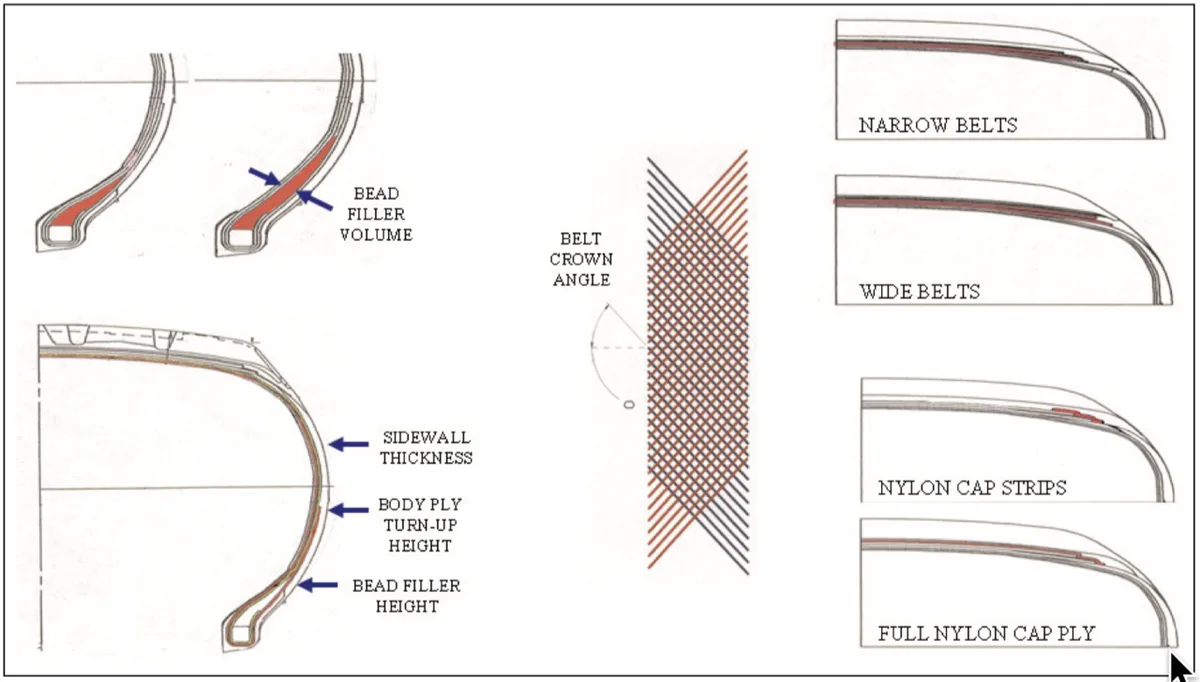
Image source: Wikimedia Commons / Employee of the U.S. Department of Transportation

Image source: Wikimedia Commons / Oregon Department of Transportation (CC BY)
Here's a simple decoding guide:
| Code Type | Last Digits | What They Mean |
|---|---|---|
| 4-digit | 2412 | Week 24 of 2012 |
| 3-digit | 512 | Week 51 of 1991 |
Risk Factors of Ignoring the Manufacture Date
Ignoring the tire dot date can lead to serious issues down the road. Rubber ages due to heat, UV rays, and ozone exposure. This process happens even if the tire has low mileage and is stored indoors.
After about 5 to 6 years, the sidewalls can start to harden and develop cracks.
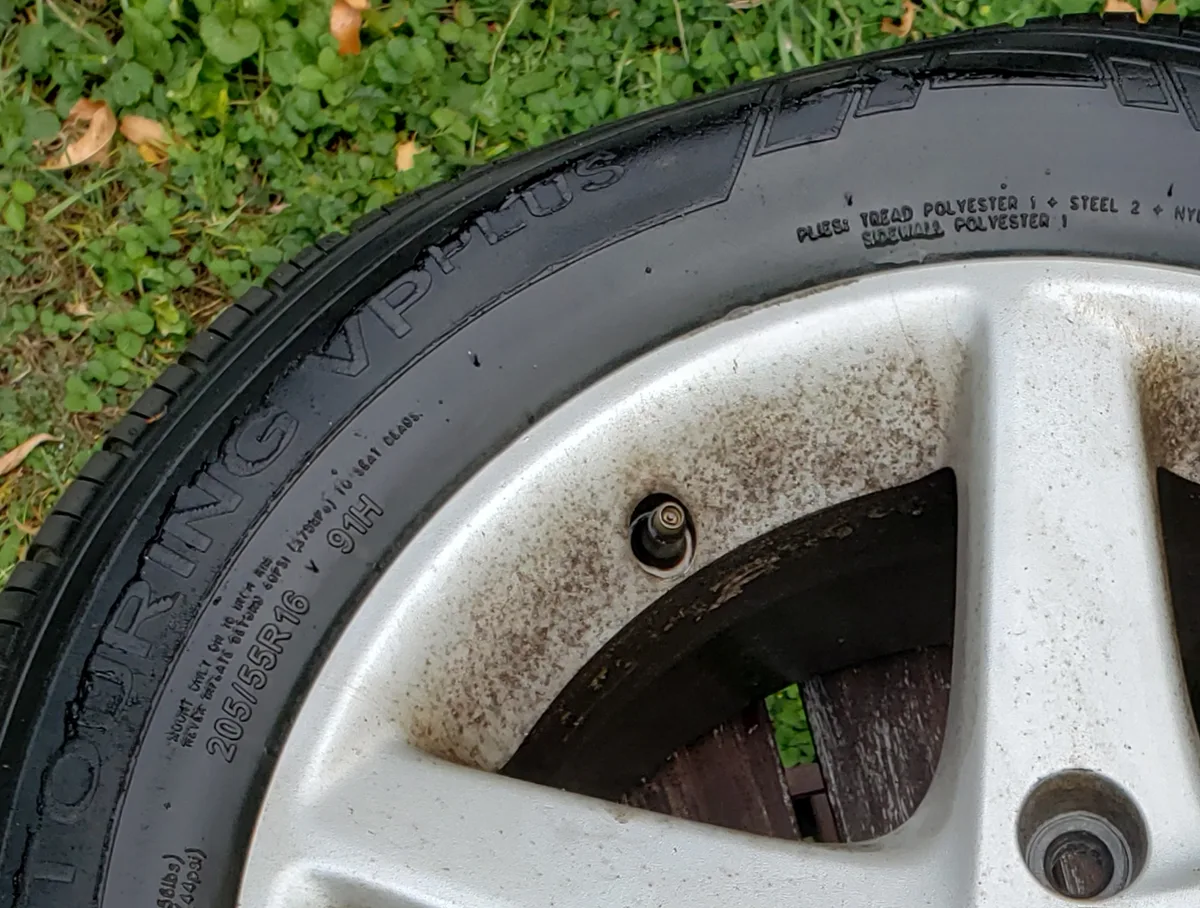
Image source: Wikimedia Commons / Regina Opossum (CC BY-SA)
The biggest danger is a tire blowout or belt separation. Old tires lose their flexibility and can fail at highway speeds. Even if the tread depth looks fine, an aged tire might not grip well when you need it most.
This risk is higher in hot climates where rubber degrades faster. How to use impact wrench on lug nuts helps keep tires secure during rotation.
Many people replace tires based on tread alone. But research indicates that age can cause problems long before the tread wears out. That's why it's smart to check the manufacture date every time you inspect your tires.
Ignoring this can lead to expensive repairs or even accidents. As of 2026, the 10-year guideline from tire makers is still the go-to standard. You should replace tires by that mark regardless of tread left.
This helps maintain your vehicle's safety and performance. Why do my spark plugs have oil on them shows how age affects the whole vehicle.
Safe Practices and Decision Guide
Now that you know how to read the tire dot date, it's time to use that information for safe decision making. Start by checking the date on both sidewalls. If it's under 5 years, the tire is still relatively new and you can keep it with regular inspections.
If the date is between 5 and 10 years, schedule a professional inspection. Look for cracks, bulges, or uneven wear. As of 2026, this is the recommended window for ongoing monitoring.
Many tire manufacturers suggest getting a second opinion before long trips. Are hybrid wiper blades any good is unrelated here, but focus on tire condition instead.
If the date is over 10 years, it's time to replace the tire. Even with plenty of tread, aged rubber isn't worth the risk. You should swap it out right away to avoid any potential failures.
To help with inspections, use car ramps from wood. This makes it easier to check under the vehicle safely. When rotating tires, remember to use an impact wrench on lug nuts for a secure fit.
You should also consider what is car recovery point as part of your emergency kit. Here's a quick decision guide:
| Age Range | Recommended Action |
|---|---|
| Under 5 years | Keep and monitor |
| 5-10 years | Inspect regularly |
| Over 10 years | Replace immediately |
This approach balances safety with practicality. Always pair the date check with visible condition. Replace any tire showing dry rot, cracks, or bulges regardless of the numbers.
