
The choice between monoblock and multi channel amplifier hinges on your speaker count and how you want power to flow. A monoblock amp focuses on one channel with its own power supply. Multi-channel amps spread power across several channels from a shared supply.
Specs confirm monoblocks often reach 500 watts into 8 ohms with dedicated transformers. We'll compare the two setups so you can pick what fits your room and speakers best.
As of 2026, multi-channel amps handle 5 or more channels but share everything. Monoblocks keep each channel independent. This matters for clean sound and heat control.
We'll walk through the differences, benefits, and when to choose one over the other.
Monoblock vs Multi Channel Amplifier
Monoblock vs Multi Channel Amplifier boils down to power delivery style. A monoblock amp runs one channel with its own supply and output stage. A multi-channel amp shares one supply across several channels.
Monoblocks give stronger separation for music. Multi-channel amps save space for home theaters.
You choose based on channel needs. Two-channel hi-fi favors monoblocks. Home theater with 5+ speakers leans multi-channel.
Specs show monoblocks deliver cleaner headroom under load.
Monoblock vs Multi-Channel Amplifiers: The Core Differences
Monoblock amps are built for single channels. Each unit has its own chassis, transformer, and speaker output. This setup runs independently.
Multi-channel amps come in 3, 5, 7, or 11 channel versions. They share power supplies and often include bridged modes.
Manufacturer specs confirm monoblocks reduce crosstalk to below -100 dB. Multi-channel amps match gain across channels for easier setup. Core differences show up in heat and sag.
Monoblocks keep one channel from dragging the others down.
| Aspect | Monoblock | Multi-Channel |
|---|---|---|
| Channels per amp | One | 3-11 |
| Power supply | Dedicated per channel | Shared across channels |
| Channel isolation | Excellent | Good but shared |
| Heat output | Lower per channel | Higher when all channels drive |
| Rack space | More units needed | Compact for multiple channels |
This table highlights why monoblocks shine in specific setups.
Dedicated Power Supplies and Channel Isolation vs Shared Supplies and Matched Channels
Monoblocks use dedicated transformers or SMPS for each channel. No sharing means zero sag when one channel hits max. Channel isolation stays high with separate chassis.
Multi-channel amps share one supply for all channels. This works until every channel runs loud at once.
Aggregate reviews report monoblocks deliver better current delivery into difficult loads. Shared supplies in multi-channel amps can cause voltage drop. Dedicated designs also reduce heat buildup.
You place monoblocks near speakers for short runs. This keeps cable runs clean and short.
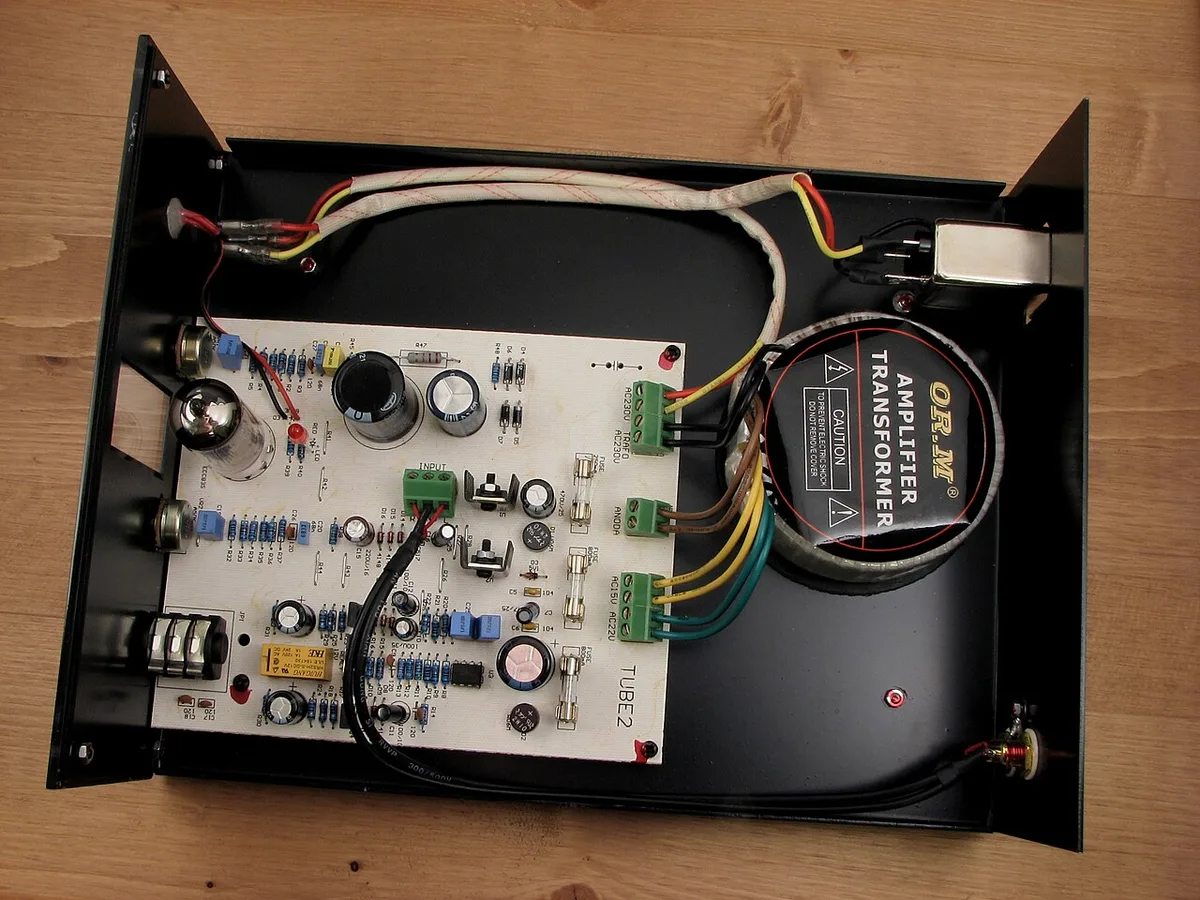
Multi-channel power amplifiers rely on shared supplies. This setup cuts cost but adds potential sag. Monoblocks isolate each channel fully.
Performance factors favor monoblocks for critical listening rooms.
Benefits, Drawbacks, and Performance Factors
Monoblocks offer one channel failure without shutting down the rest. You add channels later instead of replacing the whole amp. Dedicated supplies cut sag and improve soundstage.
Multi-channel amps cost less per channel and use one power cord.
Drawbacks hit monoblocks with extra rack space and heat. Shared supplies in multi-channel amps can sag under full load. Performance factors include damping factor and THD+N specs.
Monoblocks often hit 0.001% THD at rated power.
Per FTC power rating guidelines on continuous disclosure, compare all-channels-driven numbers carefully. Monoblocks win for hard-to-drive speakers. Multi-channel amps suit budget theater setups.
Benefits tip toward monoblocks when channel separation matters most.
When to Choose Monoblock vs Multi-Channel: Use Cases and Decision Guide
Choose monoblock amps for two-channel music systems. You match pre-outs from a processor to gain levels. Short speaker runs benefit from placing each monoblock near its speaker.
Hard-to-drive loads like low impedance or electrostatics need monoblock current delivery.
Multi-channel amps fit home theater with 5.1 or Atmos layouts. You assign pre-outs to external amps and keep LCR on the multi-channel unit. Budget setups and matched gain across channels favor multi-channel.
One power cord and less rack space make them practical.
If your speakers need 200 watts into 4 ohms, go monoblock. For 100-300 watts per channel in a theater, multi-channel works fine. Check speaker sensitivity and target SPL first.
Monoblocks win for custom install rooms. Multi-channel amps suit most living room setups.
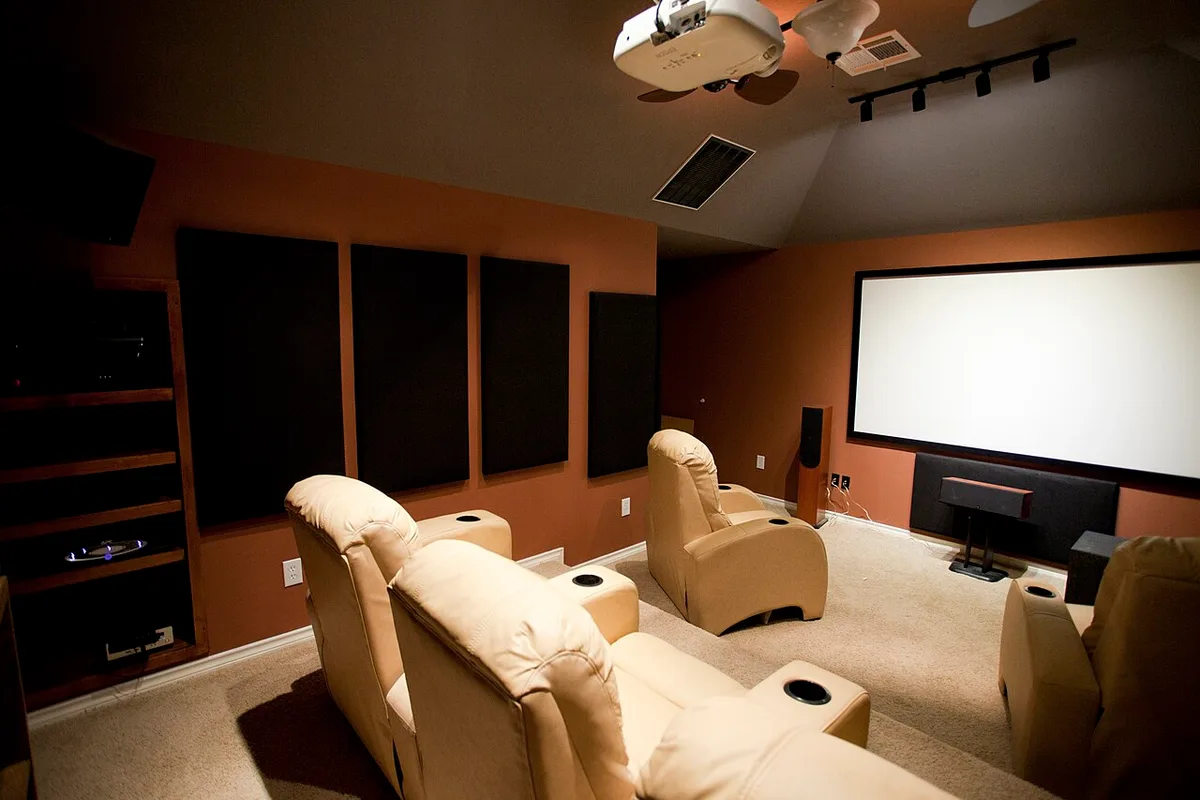
Decision guide: Count your channels. Match pre-out voltage. Test for sag under load.
Monoblocks for purity. Multi-channel for convenience. As of 2026, both types meet modern standards for home use.
