
Choosing steel vs alloy wheels gets messy once price, winter salt, and curb rash all pile up. You want a straight answer, not a sales pitch. Steel is stamped carbon steel.
Alloy usually means aluminum, either cast or forged.
As of 2026, a typical 16-inch stamped steel wheel still lands near 20 to 25 pounds. A similar cast alloy often sits a few pounds lighter, and a forged wheel can drop more. SAE J2530 is the aftermarket test many passenger-car wheels are built around.
Here's how those differences actually play out.
Steel vs Alloy Wheels
Steel vs alloy wheels is a fit and duty choice first. Stamped steel costs less and takes winter salt well. Alloy wheels weigh less and usually look cleaner.
Cast alloy suits most daily drivers. Forged alloy cuts more weight and costs far more.
Key Features and Performance Differences
Material and build come first. Stamped steel is pressed from sheet, then welded at the center. Cast alloy is poured into a mold.
Forged alloy is squeezed under extreme pressure, so the metal stays dense and light.
Weight is the spec you actually feel. On a common 16-inch size, steel often weighs about 20 to 25 pounds. A decent cast alloy may save 2 to 6 pounds per corner.
In our research, a heavy replica can weigh the same as the steel it replaces.
That drop is unsprung weight, so the suspension reacts a bit quicker. Forged and flow-formed wheels can save more than basic castings. Open alloy spokes show the brakes and can shed heat better than a solid steel dish.
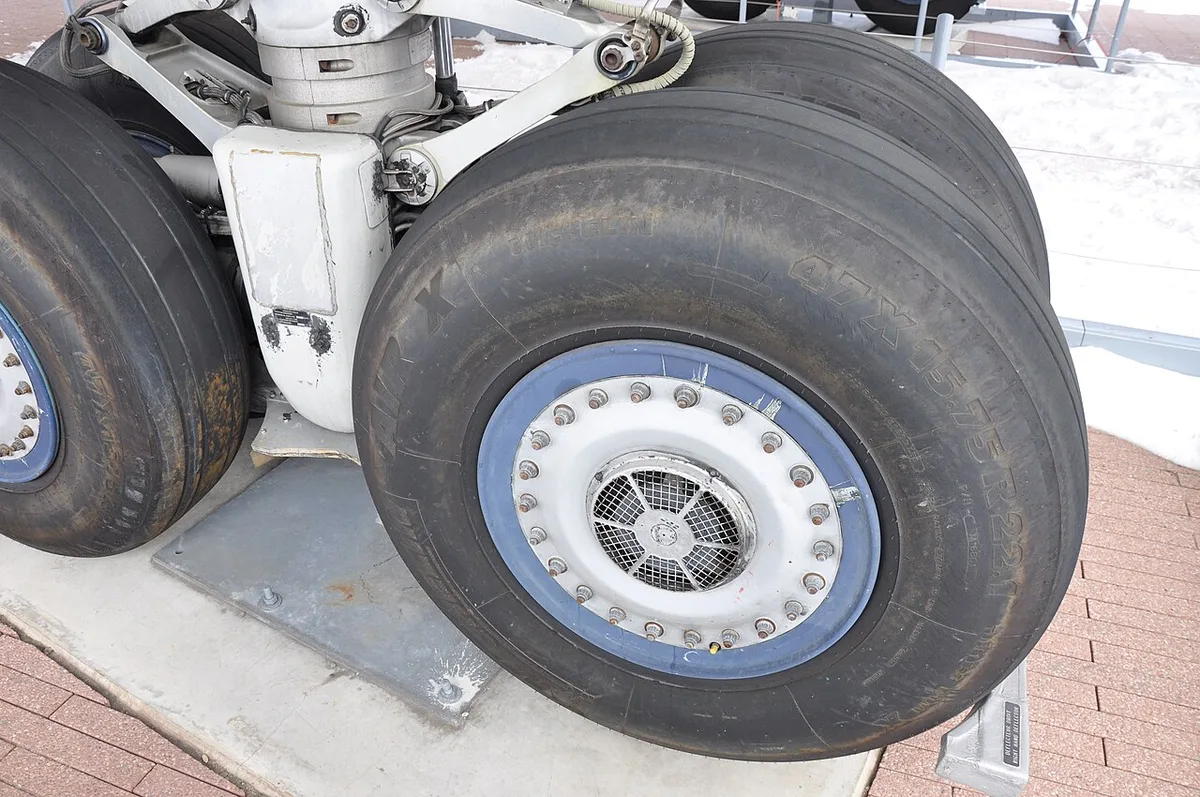
Image source: Wikimedia Commons / Jorge Láscar from Australia (CC BY)
Steel usually hides under a hubcap. Both styles can take a TPMS sensor. Fitment does not care which metal you pick.
Match bolt pattern, center bore, offset, and the load rating to the car. The door placard and federal tire and rim rules set the approved tire and rim combo. A wrong centering ring causes a shake that balance weights will not fix.
If the car already feels vague, pricier steering links often matter more than a few pounds at each corner. Fix the loose parts before you chase wheel weight.
Pros and Cons of Steel Wheels vs Alloy Wheels
| Factor | Steel wheels | Alloy wheels |
|---|---|---|
| Typical price | About $60 to $150 each | About $150 to $400 for cast |
| Weight | Often 20 to 25 lb | Often a few pounds less |
| Hit damage | Bends, sometimes repairable | Rash, bend, or crack |
| Winter salt | Cheap second set, rusts if chipped | Finish can pit if neglected |
| Looks | Plain, works with a cover | More styles, open spokes |
Steel wins on price and simple repairs. A bent lip can sometimes be hammered true. If the wheel is done, a replacement stays cheap.
Paint chips, and bare steel rusts fast in road salt.
Alloy wins on looks and steering feel. You pay more when the face gets hurt. Curb rash shows on a machined lip.
A hard hit can crack a cast wheel instead of just denting it.
Forged wheels take that hit better, but many cost several times a cast wheel. Refinishing rash can cost as much as a basic steel wheel. That is why many drivers run alloy in summer and steel in winter.
Watch the hardware either way. Loose or overtightened fasteners cause more wheel trouble than the metal choice. Check replacement fastener prices before a full set.
Skip running an impact gun past the torque spec.
Best Use Cases and Who Should Choose What
Pick steel for a winter set, a work truck, or a wheel you can replace without wincing. Salt, gravel, and jobsite curbs punish fancy faces. A plain steel wheel with a cover shrugs that off.
Off-road rigs often stay with steel for the same reason. If you get stuck, a proper tow point matters more than a pretty spoke.

Image source: Wikimedia Commons / Pedro Ribeiro Simões from Lisboa, Portugal (CC BY)
Pick alloy if you like how the car looks, or you want a lighter setup. Cast alloy is the sane pick for most people. Forged alloy fits a track car or a build chasing every pound.
Hot climates do not punish alloy the way salt does. Trucks sit in the middle. Many half-tons leave the factory on steel, especially work trims.
An alloy upgrade looks better and can trim a little weight. It will not fix a soft ride by itself. A bed cover and the right tires change daily use more than the rim metal.
If you swap sets in the driveway, a simple wood ramp keeps the car stable. Torque the nuts in a star pattern once the car is back on the ground.
Frequently Asked Questions
Are steel wheels better in winter?
Yes, if you want a cheap second set. Steel wins on price in salt, not because alloy cannot survive winter. A coated alloy lasts if you wash it often.
Steel rusts once the paint chips, so touch up bare spots. The real win is replacing a damaged winter wheel without a big bill.
Do alloy wheels save gas?
Barely, on a normal car. Dropping a few pounds per wheel trims unsprung weight, which helps response more than mileage. Owner reports rarely show more than a small fraction of a mile per gallon.
Tires, pressure, and driving style move the number more. Do not buy alloy wheels just to save fuel.
Can a bent alloy wheel be fixed?
Sometimes a mild bend in the barrel can be straightened. A shop needs the right machine for that job. A crack is different.
Cast wheels with cracks should be replaced, not welded for the road. Refinishing curb rash is cosmetic. A structural crack is not.
Are steel wheels stronger than alloy wheels?
Not in a simple way. Steel is tougher because it bends before it breaks. Cast alloy is more likely to crack on a sharp impact.
A well-made forged alloy can be very strong and still light. Strength also depends on load rating, offset, and how the wheel was tested.
Do steel and alloy wheels use the same lug nuts?
Often yes, if the seat shape matches. Most modern cars use a conical seat. Some alloys need a specific shank or tuner nut.
The wrong seat will not clamp flat, and the wheel can loosen. Match the nut to the wheel, then torque to the maker's spec.
