
Choosing between radial and bias ply tires can feel like a puzzle for any driver. Radial construction dominates modern passenger cars, while bias ply still powers classic trucks and off‑road rigs. Understanding the core differences helps you match the tire to your vehicle and driving style.
This guide breaks down the facts without the sales pitch.
Per DOT tire standards, radial tires must meet a load index of at least 91 for passenger cars. Bias‑ply models often carry a higher load rating but wear faster on highways. Below we explore why the choice matters for safety, fuel economy, and durability.
Why the Radial vs Bias‑Ply Choice Matters
The decision between radial and bias ply tires affects handling, fuel use, and tire life. Radial tires provide a smoother ride and better fuel economy, while bias ply offers rugged sidewalls for heavy loads. Drivers should consider their typical road conditions before buying.
Safety also hinges on correct selection. Per DOT tire standards, the load rating must match the vehicle’s GVWR. Choosing the right tire prevents uneven wear and blowouts.
- Radial: smoother ride, lower rolling resistance, best for daily commuting. Remember to tighten lug nuts safely.
- Bias‑ply: higher load capacity, rugged sidewalls, ideal for off‑road and classic trucks. See tonneau cover options.
- Fuel economy: radial can improve up to 8 % per EPA testing.
- Cost: bias‑ply often cheaper upfront but wears faster. Budget for lug nuts.
How Radial and Bias‑Ply Tires Are Built
Radial tires have plies that run radially from the bead to the tread, creating a flexible sidewall. Bias‑ply tires layer plies at angles across the tire, resulting in a stiffer sidewall. The image below shows a cross‑section of a radial tire, highlighting the belt package.
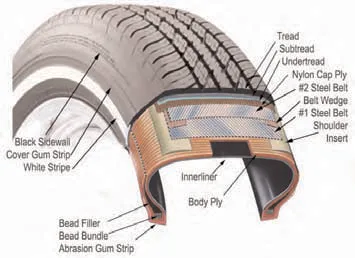
Image source: Wikimedia Commons / Employee of the U.S. Department of Transportation
Radial construction uses steel belts under the tread for stability and heat dissipation. Bias‑ply relies on multiple fabric plies for strength, which can handle heavy loads but generate more heat. Both designs meet SAE International standards for durability and performance.
Follow the installation guide when mounting.
Understanding the build helps you choose the right tire for your vehicle. If you’re working on a classic truck, consider bias‑ply for authentic look and feel and reference the recovery point reference for safety. For modern sedans, radial offers the best balance of comfort and efficiency.
- Radial: plies radiate outward; flexible sidewall; steel belt package.
- Bias‑ply: plies cross at 45°; stiff sidewall; multiple fabric layers.
- Result: radial provides smoother ride; bias‑ply offers higher load rating.
Head‑to‑Head: Performance, Fuel Economy, Load, and Cost
| Metric | Radial | Bias‑Ply |
|---|---|---|
| Rolling resistance | Lower | Higher |
| Fuel economy improvement | Up to 8 % better | None |
| Typical load capacity | Standard | Higher |
| Expected tread life | ~70 k miles | ~50 k miles |
| Typical price per tire | $100‑$150 | $120‑$250 |
Rolling resistance is lower on radial, leading to fuel savings. Radial can deliver up to 8 % better mileage per EPA tests, similar to how vehicle tech comparison improves efficiency. Higher load capacity on bias‑ply means you may need to check fluid levels; follow the fluid maintenance schedule.
Radial lasts about 70 k miles, bias‑ply about 50 k miles. Radial costs more upfront but its longer life often offsets the price.
- Rolling resistance: radial lower, bias‑ply higher. Leads to fuel savings.
- Fuel economy: radial can improve mileage up to 8 % per EPA tests.
- Load capacity: bias‑ply typically supports heavier loads. Choose based on GVWR.
- Tread life: radial about 70 k miles, bias‑ply about 50 k miles.
- Cost: radial higher upfront but longer life; bias‑ply cheaper initially.
Best‑Fit Scenarios: Daily Drivers, Off‑Road, Classics, and Heavy Trucks
Radial tires excel on highways and city streets, delivering a comfortable ride and consistent fuel use. Bias‑ply tires shine in rugged terrain, offering strong sidewalls that resist punctures. The image below shows a bias‑ply tire in an off‑road setting, illustrating its robust construction.
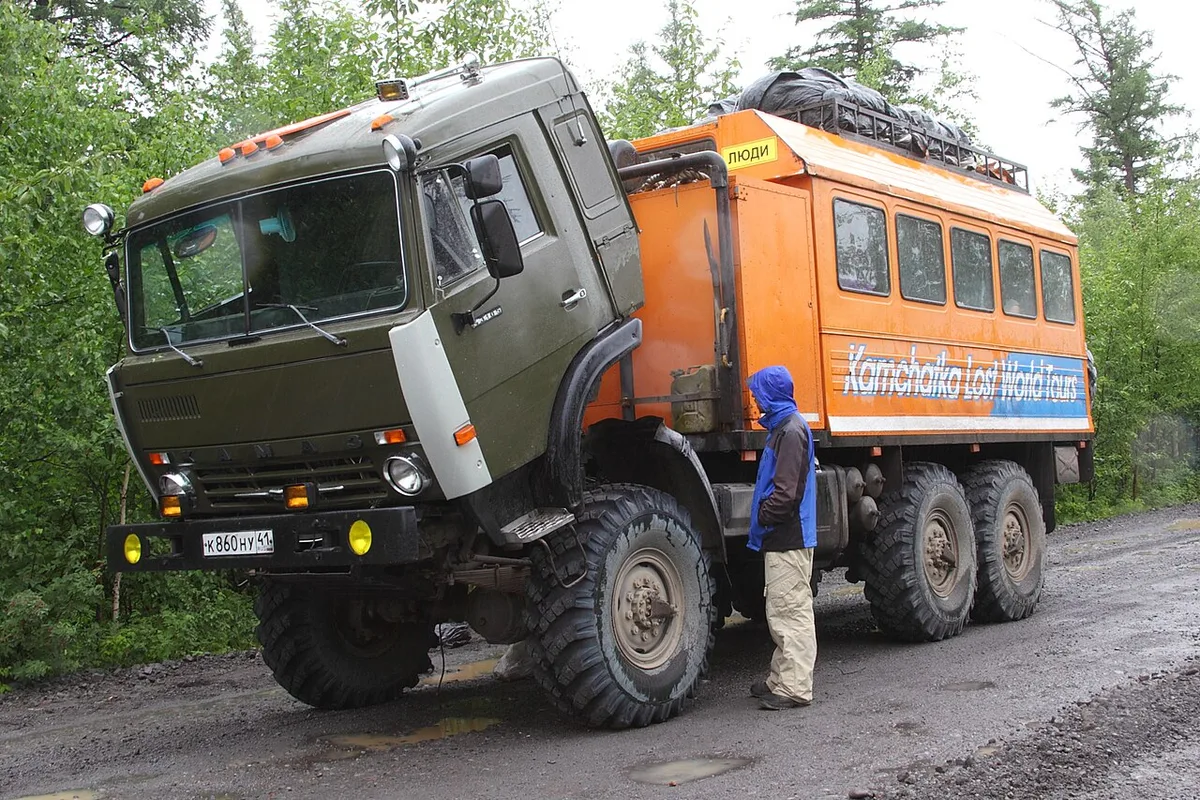
Image source: Wikimedia Commons / Ssppeeeeddyy (Einar Fredriksen) (CC BY-SA)
For daily commuters in sedans or SUVs, radial is the standard choice as of 2026. Off‑road enthusiasts and owners of classic trucks often prefer bias‑ply for its authentic look and durability. Heavy‑duty commercial trucks may still use bias‑ply when maximum load rating is required.
Choosing the right tire type also depends on climate and road conditions. In northern regions with snow, radial tires with winter compound provide better traction. In desert or rocky terrain, bias‑ply’s puncture resistance can be a lifesaver.
- Daily drivers: radial. Use routine upkeep for lug nuts.
- Off‑road: bias‑ply. Reference the ramp building guide for trail access.
- Classic cars: bias‑ply. See classic truck accessories for styling.
- Heavy trucks: bias‑ply. Check component upgrade insight for durability.
FAQs & Final Verdict
Which tire lasts longer on the highway?
Radial typically outlasts bias‑ply on highways due to lower heat buildup and better wear pattern. Expect about 70 k miles versus 50 k miles for bias‑ply. Regular rotation and proper inflation further extend life.
Can I mount bias‑ply tires on my modern car’s rims?
Most modern rims are designed for radial tires; bias‑ply may require special mounting equipment and may not fit the bead seat. Check the rim manufacturer’s specifications before attempting installation. Using the wrong rim can cause bead damage and safety hazards.
Do bias‑ply tires improve off‑road traction?
Yes, bias‑ply’s stiffer sidewall and larger footprint improve grip on loose surfaces and rocks. The construction also resists punctures better than radial in extreme terrain. Pair with proper tire pressure for optimal performance.
Is there a safety risk using bias‑ply on highways?
Bias‑ply can overheat at high speeds, leading to belt separation and blowouts. Ensure the bias‑ply tire’s speed rating matches your highway speeds. Inspect sidewalls regularly for cracks.
Should I rotate radial and bias‑ply tires together?
Mixing tire types is not recommended; each type has different wear characteristics. Rotating between different constructions can cause uneven wear and handling issues. Keep radial with radial and bias‑ply with bias‑ply for best performance.
For most drivers, radial tires deliver the best overall balance of comfort, fuel economy, and longevity. If you own a classic vehicle or need maximum load capacity for heavy trucks, bias‑ply remains the superior choice. Match your tire construction to your primary use case and driving environment for optimal safety and performance.
