
Recognizing symptoms of a bad parking brake cable can prevent rollaway accidents. If the lever feels spongy or the brake won’t hold, the cable may be worn. Ignoring these signs risks safety and can violate FMVSS 105.
Let’s walk through what to look for and how to fix it.
Per FMVSS 105, the parking brake must hold a vehicle on a 30 % grade for at least 30 seconds. Manufacturer specs for a typical cable call for a tension of 30 to 45 lb. If tension drops below 30 lb, the brake may not meet the standard.
Below, we’ll show how to diagnose, adjust, and replace the cable safely.
Symptoms of a Bad Parking Brake Cable: Top Warning Signs
How a Parking Brake Cable Works & What to Look For
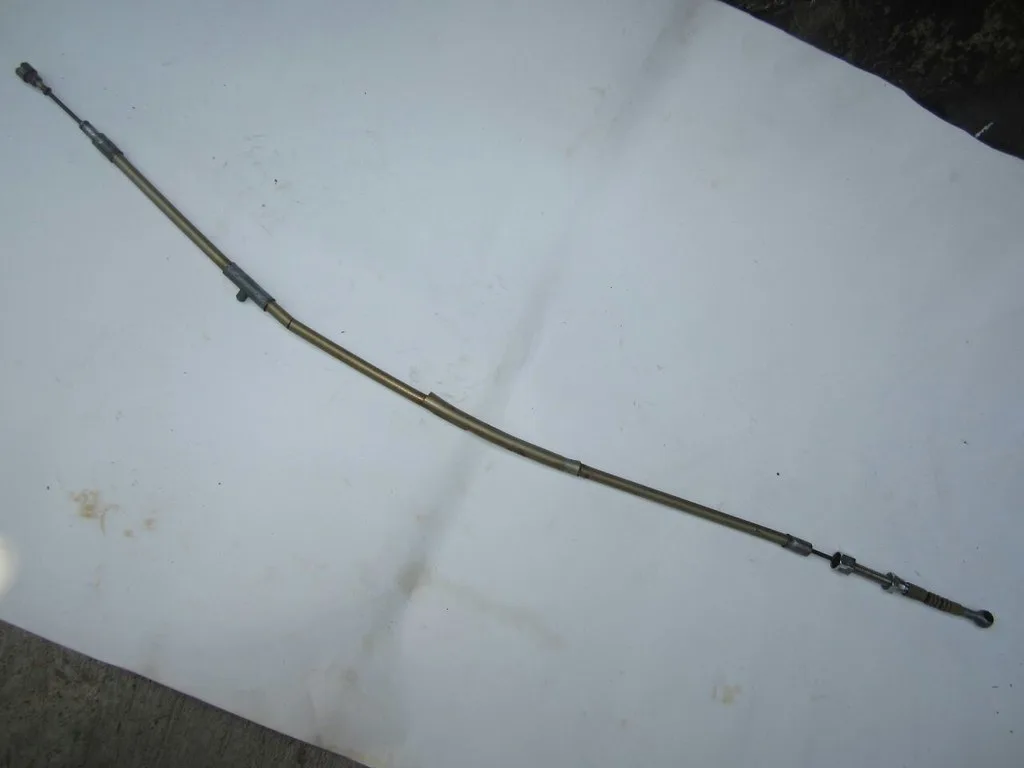
The parking brake cable is a simple mechanical link between the lever and the brake shoes or calipers. When you pull the lever, the cable pulls the brake mechanism to lock the wheels.
- Cable inner wire: steel core coated for corrosion resistance.
- Outer sheath: flexible nylon or stainless steel, protects the wire.
- Adjuster: threaded 7/16 to 20 nut, sets tension.
- Lever assembly: pivot and return spring.
- Brake shoes/drums or caliper actuators: engaged by cable pull.
| Symptom | Likely Cause |
|---|---|
| Lever slack, excess travel | Cable stretch or worn sheath |
| Brake won’t hold on incline | Low tension (below 30 lb) or rusted cable |
| Cable noise when moving | Sheath wear, debris in linkage |
| Lever sticks or won’t release | Bent adjuster, corroded wire |
For a safe workspace, keep a car recovery point nearby. If you need a sturdy lift, see how to build car ramps. Understanding these parts helps you spot wear before it fails.
Replace the cable every 60,000 mi or when tension drops below specification.
Step-by-Step Diagnosis & Replacement
Follow these steps to diagnose and replace a faulty parking brake cable. Work on a level surface and secure the vehicle with wheel chocks.
- Inspect lever feel and travel. If slack exceeds 30 mm, proceed.
- Check cable sheath for rust or cracks. Replace if damaged.
- Measure tension with a gauge. Aim for 30 to 45 lb.
- Adjust using the threaded adjuster. Turn clockwise to increase tension.
- If tension remains low, remove the cable. Disconnect from lever and brake mechanism.
- Install new cable. Route through sheath, attach to lever and brake.
- Re‑adjust tension to spec. Test on a 15% incline for 30 seconds.
- Verify lever returns to off position and brake releases fully.
For extra torque when loosening the adjuster, an impact wrench can speed the job. If you need a stable lift, a ramp setup provides a safe platform.
For detailed test procedures, refer to SAE J1703. Regular inspection of the cable and lever prevents costly repairs. Replace the cable at the first sign of wear to stay compliant.
Safety, Legal, and Pro Tips
Safety comes first when working near the parking brake system. Always disconnect the vehicle battery and wear gloves to avoid electrical hazards.
- Disconnect the vehicle battery before cable work.
- Use wheel chocks to prevent rollaway.
- Work on a flat, stable surface.
- Wear safety glasses and gloves.
- Keep a car recovery point nearby for emergencies.
If you plan to add a light bar while working on the brake, follow the proper installation guide. Federal law requires the parking brake to hold a vehicle on a 30 % grade per FMVSS 105. For the exact requirement, see FMVSS 105.
Failing to meet this standard can result in citations and increased liability. For the latest safety recalls, check NHTSA.
Frequently Asked Questions
What are the most common symptoms of a bad parking brake cable?
The most common signs are lever slack, excess travel, and the brake not holding on an incline. Low tension, rusted sheath, or stretched inner wire cause these issues. Spotting them early prevents rollaway and keeps you compliant with FMVSS 105.
How do I check the tension on a parking brake cable?
Use a cable tension gauge to measure the force at the lever. The specification is 30 to 45 lb. If the reading is below 30 lb, adjust the threaded adjuster or replace the cable.
When should I replace the parking brake cable instead of just adjusting it?
Replace the cable if the sheath is cracked, the inner wire is stretched, or tension cannot be brought into spec after adjustment. Repeated adjustments without improvement indicate wear. A new cable restores reliable performance and meets safety standards.
Can a bad parking brake cable affect my vehicle’s safety inspection?
Yes. Inspectors check that the parking brake holds the vehicle on a 30 % grade per FMVSS 105. A failing cable will cause a failed inspection and may be cited as a safety defect.
Addressing the issue promptly avoids penalties.
What tools do I need to replace a parking brake cable?
You’ll need a socket set, a cable tension gauge, a screwdriver, and a pair of pliers. An impact wrench can speed bolt removal, and a floor jack or ramps help lift the vehicle safely. Having a clean workspace and safety glasses completes the setup.
If any symptom appears, replace the parking brake cable as soon as possible.
A new cable restores the required 30‑45 lb tension and meets FMVSS 105.
Doing so keeps your vehicle safe, legal, and ready for any road.
