
A car failing a smog test is a common headache for many drivers in emissions states. You might notice the failure slip after a routine drive and wonder what went wrong with your vehicle. This guide cuts through the confusion to show exactly what causes the issue.
The test measures carbon monoxide, hydrocarbons, and oxides of nitrogen against strict limits set by regulators. Manufacturer specifications indicate most vehicles must pass these thresholds to register. We'll break down the causes in detail and outline how to diagnose and resolve them efficiently.
What Causes a Car to Fail a Smog Test
A car fails a smog test when emissions exceed legal limits for CO, HC, and NOx.
The inspection combines OBD scans, tailpipe readings, and visual checks.
Incomplete readiness monitors often trigger failures even with no visible faults.
Simple issues like loose gas caps cause the majority of initial rejections.
Problem / Pain Point
Failing a smog test wastes time and money for most owners. You drive to the station only to receive a failure notice that requires a retest fee. In states with strict programs, repeated failures can lead to registration holds or even vehicle impoundment risks.
Many owners end up paying for parts they never needed after discovering the root cause was something basic like a sensor or cap.
The frustration grows when shops recommend big repairs based on symptoms alone. You might replace a catalytic converter only to learn later the real issue was a pending code or exhaust leak. Short trips prevent monitors from completing their cycles, leaving the vehicle "not ready" for inspection.
Buyers of used cars in smog areas face the same shock when selling, as the failed test hangs over the vehicle.
Aggregate data from inspection programs shows over 30 percent of failures trace back to EVAP leaks or oxygen sensor issues. These problems stay hidden until the exact test runs. DIY owners waste hours scanning codes only to fix the wrong part first.
Fleet managers lose productivity when vehicles sit idle for retests. Understanding these pain points upfront saves you from guesswork and expensive mistakes.
Core Explanation / How It Works
Smog tests evaluate your car's emissions system through multiple layers. An OBD-II scan checks for diagnostic trouble codes and monitor status. Tailpipe measurements test actual exhaust pollutants at the station.
Visual inspections look for obvious tampering or missing components.
The check engine light often signals deeper problems. When it illuminates, it means the powertrain control module detected an emissions fault. This triggers the failure even if the vehicle passes tailpipe numbers.
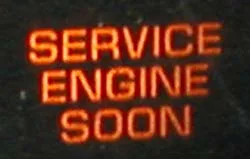
Image source: Wikimedia Commons / IFCAR
Catalytic converters reduce harmful gases before they exit the exhaust. If efficiency drops below threshold, the test fails. Upstream and downstream oxygen sensors monitor air-fuel ratios constantly.
Failed sensors send inaccurate data that breaks readiness monitors.
Evaporative emissions systems prevent fuel vapors from escaping. A loose gas cap or cracked hose creates small leaks that fail functional tests. EGR valves and PCV systems control internal combustion byproducts.
When these components clog or fail, NOx levels spike.
Diesel vehicles add DPF and SCR checks that catch soot buildup. All monitors must complete a full drive cycle before the inspection passes. As of 2026, programs emphasize OBD readiness over raw tailpipe numbers in most areas.
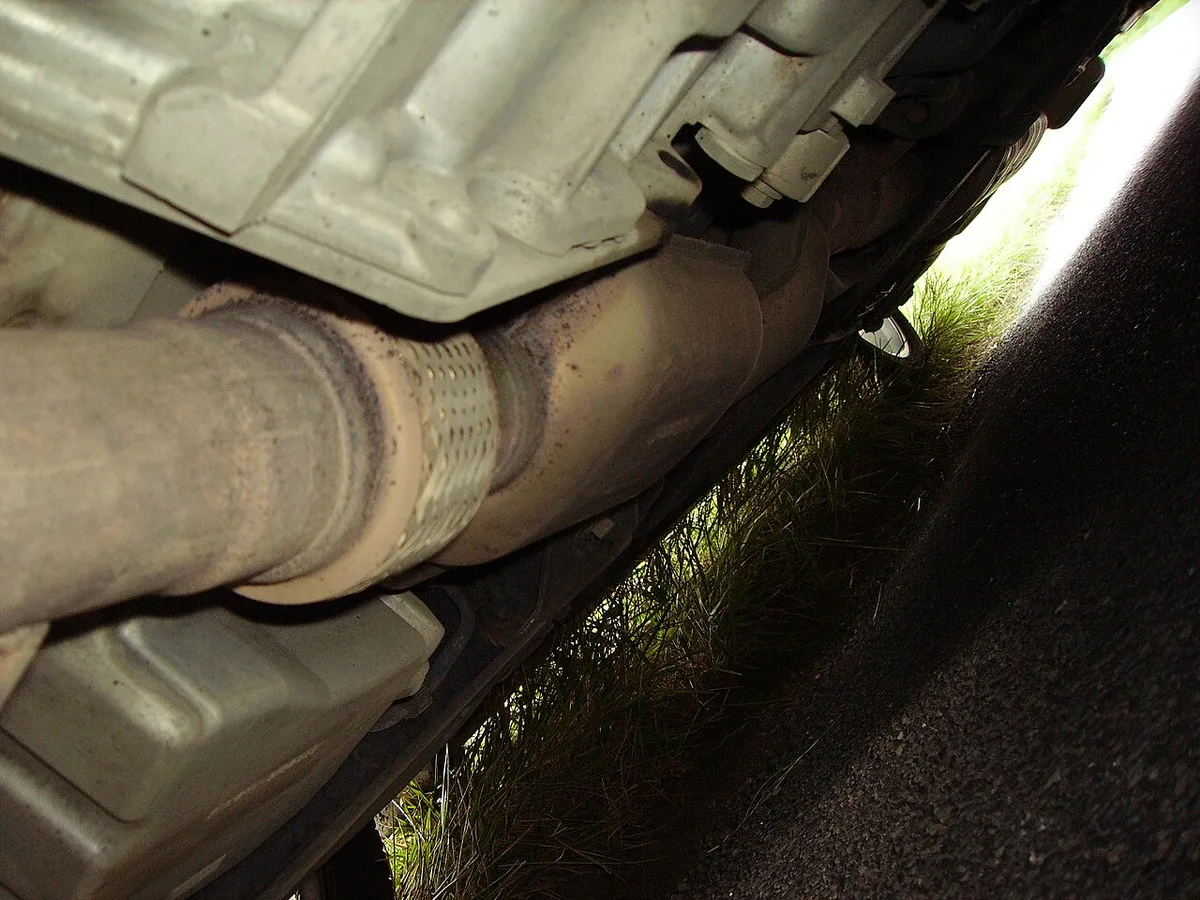
Image source: Wikimedia Commons / User Ballista on en.wikipedia (CC BY-SA)
Manufacturer service info confirms these components work together to keep emissions clean. A single failure in any area can block the entire test. Per EPA guidelines, tampering with these systems violates federal rules and leads to permanent code entries.
Step-by-Step Process / How to Guide
Start by confirming your model year and test type before anything else. Note if the station uses OBD-only or combined tailpipe methods. This sets the right expectations for your diagnostics.
Scan for current, pending, and permanent diagnostic trouble codes right away. A basic OBD2 reader works for most issues but a full scan tool shows fuel trims and monitor status too.
Many owners use how to buy an OBD2 scanner before taking the vehicle anywhere. Check the malfunction indicator lamp status after scanning. If it's off, move to readiness monitors.
Look at which monitors show complete versus incomplete status. EVAP and O2 sensor monitors often lag behind others. Complete a proper drive cycle mixing city and highway driving to set them.
This step alone fixes dozens of false failures.
Inspect for obvious exhaust leaks or missing emissions equipment. A quick visual under the hood catches gas caps and vacuum lines immediately. Test the fuel cap pressure if the station requires it.
Review fuel trims and misfire counters for lean or rich conditions. These numbers point to sensor or injector problems. Fix the root cause before clearing any codes.
Only clear codes after repairs and a successful drive cycle. Permanent codes stay until monitors verify the fix. Retest once everything shows ready for inspection.
If the car still fails, escalate to a referee station for complex cases. Document every repair with receipts for future reference.
Comparison / Alternatives / Options
OBD-II testing catches electronic faults that tailpipe alone misses. Tailpipe tests measure actual exhaust but require longer station time. Choose OBD for modern cars while tailpipe still works for older models.
Repairing a faulty sensor beats replacing the entire catalytic converter every time. Aftermarket converters with CARB Executive Orders cost less than OEM but demand proof of compliance. OEM parts guarantee exact fit but raise the price tag significantly.
DIY scanning works great for owners comfortable with tools. Professional shops handle complex cases faster but add labor fees. Fleet managers prefer in-house scans to keep vehicles moving without downtime.
Visual inspections reveal tampering that scans miss. Functional tests like smoke for EVAP leaks catch issues monitors overlook. Compare these methods based on your vehicle age and inspection type.
| Method | Best For | Cost Range | Time Required |
|---|---|---|---|
| OBD Scan | Modern vehicles | $20–$100 | 10 minutes |
| Tailpipe Test | Older model years | Station fee only | 5–10 minutes |
| Visual Check | Tampering detection | Free | 15 minutes |
| Full Repair | Cat or sensor failure | $300–$2000+ | Parts + labor |
The right choice depends on your symptoms and state rules.
Mistakes to Avoid / Common Errors
Clearing codes without completing a drive cycle creates false passes. The vehicle fails again on retest because monitors stay incomplete. Always repair the root cause first before clearing anything.
Replacing the catalytic converter for a P0420 code when the real issue is an exhaust leak wastes money. Leaks mimic cat efficiency failures on tailpipe tests. Scan and check fuel trims before swapping expensive parts.
Ignoring the check engine light leads to bigger problems later. A minor fault can poison the catalyst and create permanent damage. Address the light promptly to keep emissions controls working.
Using the wrong scan tool misses critical data like monitor status. Basic readers show codes but skip readiness information needed for smog. Invest in a quality tool that reads live data and freeze frame data.
Clearing codes on a vehicle that still has active monitors breaks the inspection rules. Permanent codes stay recorded and block registration. Fix the underlying issue completely before any retest.
Safety / Legal / Compliance / Warnings
Tampering with emissions controls violates federal law and can lead to permanent diagnostic trouble codes. The EPA prohibits removing catalytic converters, EGR valves, or O2 sensors without approved replacements. California BAR enforces these rules through smog check programs with strict verification processes.
If you replace parts, only use CARB Executive Order approved options for aftermarket converters. These parts must meet exact efficiency standards or the test will still fail. Clearing codes to hide a failed inspection breaks program rules and risks registration denial or vehicle impoundment in strict states.
Professional help becomes necessary when misfires or oil contamination damage the catalyst beyond simple fixes. A quick scan at a reputable shop catches tampering before you invest in unnecessary repairs. Always verify receipts show compliant parts for future retests.
Real Scenarios / Case Examples
A 2015 Honda Civic owner in California failed his smog test with P0420 code. Scan showed catalyst efficiency below 80 percent threshold. Visual inspection revealed a small exhaust leak at the flex pipe instead of cat failure.
Fixing the leak dropped HC readings and cleared the monitor after a 25 minute drive cycle.
Another case involved a 2009 Ford F150 with pending P0300 misfire code. Short daily commutes prevented OBD readiness monitors from completing. After replacing spark plugs and coils, the vehicle passed on retest with all monitors set.
Total repair time took three days including parts and testing.
Diesel truck owners face different issues like DPF clogging from extended idling. In high altitude areas, EGR passages clog faster leading to NOx spikes. Completing the manufacturer drive cycle resolved the fail without replacing the filter in one case.
FAQs
What are the most common causes of a car failing a smog test?
EVAP system leaks top the list causing small hydrocarbon escapes. Oxygen sensor failures trigger incorrect air fuel readings that block readiness monitors. Exhaust leaks mimic catalytic converter problems on tailpipe tests.
How do I know if my car failed due to a check engine light?
A malfunction indicator lamp on means the OBD scan detected an emissions fault. Check for codes like P0420 or P0171 before any repair. These lights often point to sensor or misfire issues that fail the test.
Can I pass a smog test without fixing the root cause?
No. Clearing codes on incomplete monitors leads to retest failure. Always repair the underlying problem like a gas cap seal or sensor before retesting.
What should I do if my car failed emissions inspection?
Scan for codes and check monitor status immediately. Fix the specific fault then complete a drive cycle. Retest after repairs to avoid repeat fees.
Is it legal to modify my car to pass smog?
Tampering with certified emissions equipment is illegal in most states. Use only CARB approved parts to stay compliant. Consult local regulations before any changes.
How often must I retest my vehicle after a smog fail?
Many programs require retesting within 30 days. Failure to pass on the next attempt can lead to registration holds. Document all repairs for the inspection station.
