
You asked why did my car fail emissions and the first thing to do is stop guessing. The test station gives you a paper with specific results. Many drivers panic when they see the fail slip.
But the key is to read it carefully before you head to the mechanic.
As of 2026, failed emissions rates hover around 25 to 35 percent in states with strict programs. That data comes from state transportation departments. The printout often lists readiness status or codes that guide your repair choices.
Let's break down the common paths you might follow next.
Why Did My Car Fail Emissions
You failed emissions because your vehicle didn't meet readiness monitors or stored codes. The test station checks OBD-II data and EVAP system. A catalyst issue or gas cap leak often causes the fail.
Fixing the root problem prevents repeats.
Start With the Printout, Not a Guess
The emissions test printout is your roadmap. It tells you exactly what failed and what needs fixing. Don't ignore the readiness monitors section.
That part shows which systems the vehicle has checked. If monitors are incomplete, the test fails even if no codes exist.
The codes section lists DTCs like P0420 for catalyst issues. Freeze frame data captures engine conditions at the time of the fault. Manufacturer specs confirm that checking this first prevents wasting time on wrong repairs.
An OBD-II scanner connects to the port under the dash. It reads live data and confirms the station's findings.
Many owners use a basic scanner to verify before repairs. See How To Buy Obd2 Scanner for options that match your needs. Start by noting the test date and station name.
Then check the pass/fail status for the whole test and any pre or post catalyst readings.
Next look at the readiness monitors. These flags show if the vehicle has run the necessary drive cycles for each system. Green means complete.
Yellow means partial. Red means not done. That last one usually triggers the fail.
The Four Conditions That Change the Next Step
Your next move changes based on four main report conditions. Each condition sends you down a different branch. Incomplete readiness monitors come first.
These show the vehicle never ran the full test cycles.
A lit check engine light with stored codes comes second. This means the vehicle recorded a fault. EVAP leaks or gas cap issues trigger the third path.
Catalyst efficiency problems head the fourth branch.
Understanding these four conditions lets you choose the right repair approach right away. The printout decides everything. No guesswork needed.
Walk the Failure Paths
When the report shows a fail you follow specific paths depending on what the station recorded. These branches help you decide the best repair order. Start by noting the main condition on your printout.
Then pick the matching section below.
Incomplete Readiness Monitors
Incomplete readiness monitors mean the vehicle never completed the required drive cycles. The test fails even without codes. You need to drive the car in specific patterns to activate the monitors.
Typical sequences include 10 to 20 minutes of highway driving mixed with city stops. The exact requirements vary by vehicle. Check your owner's manual for the right mix.
Once monitors turn green the retest usually passes.
This path accounts for many false failures. Minor issues like dirty sensors often cause the monitors to stay incomplete. Fixing them and driving the right distance usually resolves the fail.
A Lit Check Engine Light and Stored DTCs
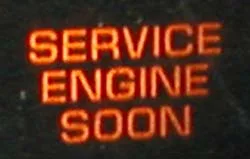
A lit check engine light with stored DTCs means the vehicle recorded a fault. These codes point to specific problems. Common ones include P0420 for catalyst efficiency.
P0300 signals a misfire. P0440 covers EVAP system issues.
Use an OBD-II scanner to read the codes. Generic tools often miss manufacturer specific data. The light stays on until you clear the codes and the monitors complete.
EVAP Leaks, Gas Caps, and P0440-Family Codes
EVAP leaks or gas cap problems trigger codes like P0440. The evaporative emission control system monitors fuel vapor storage. A loose gas cap or cracked hose often causes the fail.
Check the gas cap first. It must click into place securely. Then inspect hoses for cracks or loose connections.
The purge valve might need cleaning if codes persist.
These issues cause the tailpipe test to fail even when the engine runs normally. Many owners fix just the gas cap and pass on the retest.
Catalyst Efficiency, Oxygen Sensors, and P0420
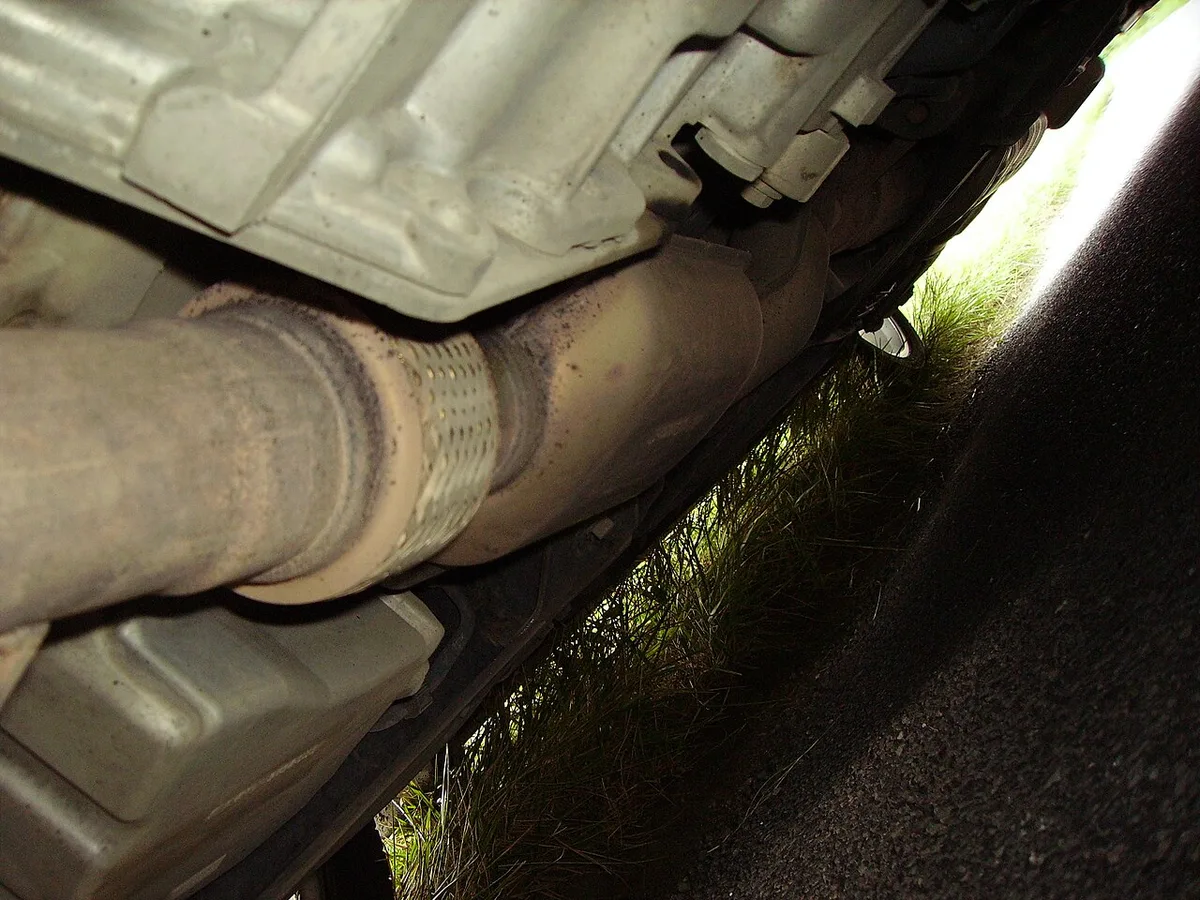
Catalyst efficiency problems show up as P0420 codes. The three-way catalyst reduces harmful emissions. Oxygen sensors help the engine run rich or lean at the right time.
If sensors or the catalyst fail the test fails. You might see higher hydrocarbon readings on the tailpipe test.
Rich, Lean, and Misfire Conditions
Rich, lean, or misfire conditions trigger codes like P0171 for rich fuel trims. The engine runs too lean or too rich. This affects catalyst performance and causes the fail.
Misfires from spark plugs or ignition coils often show up here. Fix the underlying issue and the monitors should complete.
A Tailpipe Fail With No Code
A tailpipe fail with no code is rare. It might point to wiring issues or exhaust leaks. The station detects emissions without storing a code.
These cases require extra testing at the shop. A professional scan tool often finds the hidden fault.
What to Repair First, and What Can Wait for a Retest
Repair in this order: codes first, then complete the monitors. Address catalyst or sensor issues right away. They affect the core emissions system.
Minor items like cabin filters or wiper fluid can wait. They don't impact the test results. Drive the car after repairs to activate the monitors.
The retest usually passes within a few days.
Mistakes That Turn a Small Fail Into a Big Bill
Clearing codes without fixing the root problem turns a small fail into a big bill. The light comes back and the test fails again.
Ignoring a minor EVAP leak leads to bigger repairs later. Driving with suspended registration adds insurance headaches.
Using the wrong scanner misses important data. Generic tools often read incomplete codes. Always verify with a manufacturer specific scan tool.
Not following the printout instructions wastes money. Random repairs without codes rarely help.
Per EPA mobile source emissions standards these mistakes cost owners thousands in unnecessary parts and labor.
The decision guide after the fail comes next. It walks you through choosing the right path based on your report.
A Decision Guide After the Fail
Match the printout to one row. Then stop. Extra parts rarely get you a pass.
| Printout | First move | Leave it alone |
|---|---|---|
| Incomplete monitors, no codes | Drive the listed cycle | New parts |
| Check engine light or a stored code | Repair that code | Clearing the codes |
| P0440 family | Gas cap, then a smoke test | A new catalyst |
| P0420 | Oxygen sensors and exhaust leaks | A new catalyst first |
| Rich, lean, or misfire | Fuel and ignition | Emissions hardware |
| Tailpipe fail, no code | A five-gas reading and a smoke test | Another basic scan |
Work top to bottom only when more than one line applies. A stored code outranks a monitor that is not ready. Fix the code.
Then complete the cycle.
On a P0420, test the oxygen sensors before you price a converter. Raise the car on sturdy wooden ramps and look for soot at the flanges. A lazy sensor often fakes a weak catalyst.
Wet plug tips can throw the mixture off and do the same.
On a rich, lean, or misfire result, start with vacuum leaks, the mass airflow sensor, and the coils. Do not buy a catalyst to hide a misfire.
After the repair, drive until the monitors show complete. Then retest. Your notice lists the days before a registration hold.
Miss it and you can get a citation.
Federal emissions rules treat a lit malfunction indicator lamp as a fail on an OBD test. California smog rules add their own monitor checks.
Keep both scan printouts. A shop will ask what changed.
Frequently Asked Questions
Can I drive after a failed emissions test?
Yes. You can drive during the repair window on your fail notice. Most programs block registration only after that date.
Keep the printout in the car. Once the hold starts, a stop can mean a citation and trouble with your insurer.
Does the check engine light cause an automatic fail?
Yes. A lit malfunction indicator lamp fails an OBD inspection even when the tailpipe numbers look fine. A code that comes back after a clear fails you the same way.
Repair the fault. Let the monitors finish before you go back.
Will erasing the codes let me pass?
No. Erasing codes also wipes readiness monitors. The station fails incomplete monitors even with a dark light.
Erase codes only after the repair. Drive the model-specific cycle until the monitors read complete. A same-day retest is the usual way people fail twice.
How long should I wait before a retest?
Wait until the repair is done and the required monitors show complete. That often takes a few days of mixed city and highway driving. Same-day retests fail often.
If you fail again, read the new printout before you replace more parts.
Why will my readiness monitors not complete?
A pending code is the usual reason. It blocks one or more monitors until you fix it. Use the drive cycle for your exact model, not random miles.
A low fuel tank and cold weather can also stop the EVAP monitor from running.
What should I fix before I replace the catalytic converter?
Confirm the oxygen sensors and any exhaust leak first. A bad sensor or a leak ahead of the catalyst sets P0420 on a good converter. Also rule out a misfire and a rich mixture.
Those conditions overheat a new catalyst and you fail again.
