
If your new car has been back at the dealership four times for the same grinding noise, you're probably asking what is the lemon law and whether it can get you out of the loan. The short version: it's a state statute that forces an automaker to buy back or replace a vehicle they can't fix. There's no federal version, no national hotline, and no single rule that covers every driver.
The thresholds are set one state at a time, and they diverge fast. Texas, for example, presumes a lemon after four repair attempts or 30 days out of service, while Florida sets the bar at three attempts or 15 cumulative days. Those numbers decide whether you have a claim at all.
So the honest answer depends on where your car is registered and what your repair orders actually say.
What Is the Lemon Law
The lemon law is a state statute covering defective vehicles. It forces automakers to refund or replace a car they cannot fix. Every state writes its own version, and there is no federal one.
Coverage depends on warranty status, vehicle type, and repair history. Used cars and leases are covered in some states but not others.
What the Lemon Law Really Is and Why There's No Federal Version
Search for the federal lemon law and you'll come up empty. That's not a gap in your research. It doesn't exist.
Congress has never passed a national buyback statute for defective cars, and the federal warranty rules don't create one. What exists instead is 50 separate state statutes plus the District of Columbia, each with its own definitions, thresholds, and deadlines. As of 2026, every one of them is written and enforced at the state level.
That's why two neighbors with the same failing transmission can get completely different outcomes. One lives in a state that presumes a lemon at three attempts. The other lives across a river where the standard is "a reasonable number" with no fixed count.
The state statute patchwork, in plain terms
Most statutes follow the same skeleton. A defect appears during the warranty term. The manufacturer gets a set number of chances to fix it.
If the car still isn't right, the buyer gets a refund or a replacement.
The details inside that skeleton vary wildly. Some states count days in the shop, some count repair attempts, and some count both. A handful give the manufacturer a final repair attempt before anything else happens.
Several require written notice by certified mail before you can file.
Here's how a few of the bigger programs are structured:
| State | Statute name | Where claims usually get filed |
|---|---|---|
| California | Song-Beverly Consumer Warranty Act | Manufacturer arbitration or superior court |
| New York | General Business Law § 198-a | State arbitration program run through the Attorney General |
| Florida | Motor Vehicle Warranty Enforcement Act | Florida Attorney General arbitration or court |
| Texas | Occupations Code, Chapter 2301 | Texas DMV Motor Vehicle Arbitration |
| New Jersey | Lemon Law, N.J.S.A. 56:12-29 | Division of Consumer Affairs |
| Washington | RCW 19.118 | Attorney General Lemon Law Administration |
Notice the pattern. In most states, the attorney general or the DMV runs the arbitration, not a court. That matters because arbitration is faster and cheaper, but it's also where a lot of claims die on paperwork rather than facts.
Nonconformity, substantial impairment, and a reasonable number of attempts
Three phrases show up in almost every statute, and they carry most of the legal weight.
Nonconformity is the defect itself. It's a condition in the car that doesn't conform to the express warranty, meaning the written warranty that came with the vehicle. A failing transmission is a nonconformity.
A worn tire at 40,000 miles usually isn't.
Substantial impairment is the gate. The defect has to impair the use, value, or safety of the vehicle in a meaningful way. That's the test that separates a claim from a complaint.
A reasonable number of repair attempts is the trigger. States define "reasonable" differently, and some create a legal presumption once you hit a specific count. A presumption doesn't win the case for you, but it shifts the burden onto the manufacturer.
If your state uses a presumption, hitting the number is the whole game. If your state doesn't, you're arguing about what "reasonable" means, and that's a much messier fight.
What a lemon law claim is not: recalls, service contracts, and class actions
This is where a lot of people burn months on the wrong path. Four things get confused with lemon law claims all the time, and none of them does the same job.
- A safety recall. A recall is a free repair ordered through NHTSA. It fixes the defect. It does not compensate you for the year you spent in loaner cars.
- An extended warranty or service contract. These pay for repairs. They never pay for a buyback, no matter how many visits you rack up.
- A class action. Class actions usually recover small amounts per owner and rarely get your specific car repurchased. If you want your car gone, a class action is the slowest possible route.
- The Magnuson-Moss Warranty Act. It's real federal warranty law, and it can run alongside a state claim. It just isn't a buyback statute on its own.
One more distinction worth holding onto. The Magnuson-Moss Warranty Act and the implied warranty of merchantability under UCC Article 2 can both support a claim when a state statute doesn't fit. They're backup theories, not shortcuts.
Branch One: Which State's Statute Governs Your Car
Here's the first fork, and it's the one people get wrong most often. Your claim usually lives in the state where the car is registered or where you actually reside. Where you signed the paperwork matters far less than most buyers assume.
If you bought the car in Arizona but registered and garaged it in Nevada, you're likely filing under Nevada rules. If you moved last year and the defect showed up before the move, you may have a genuine choice between two statutes with very different deadlines.
That single fact sets your repair-attempt threshold, your filing window, and whether your state's arbitration program is even open to you.
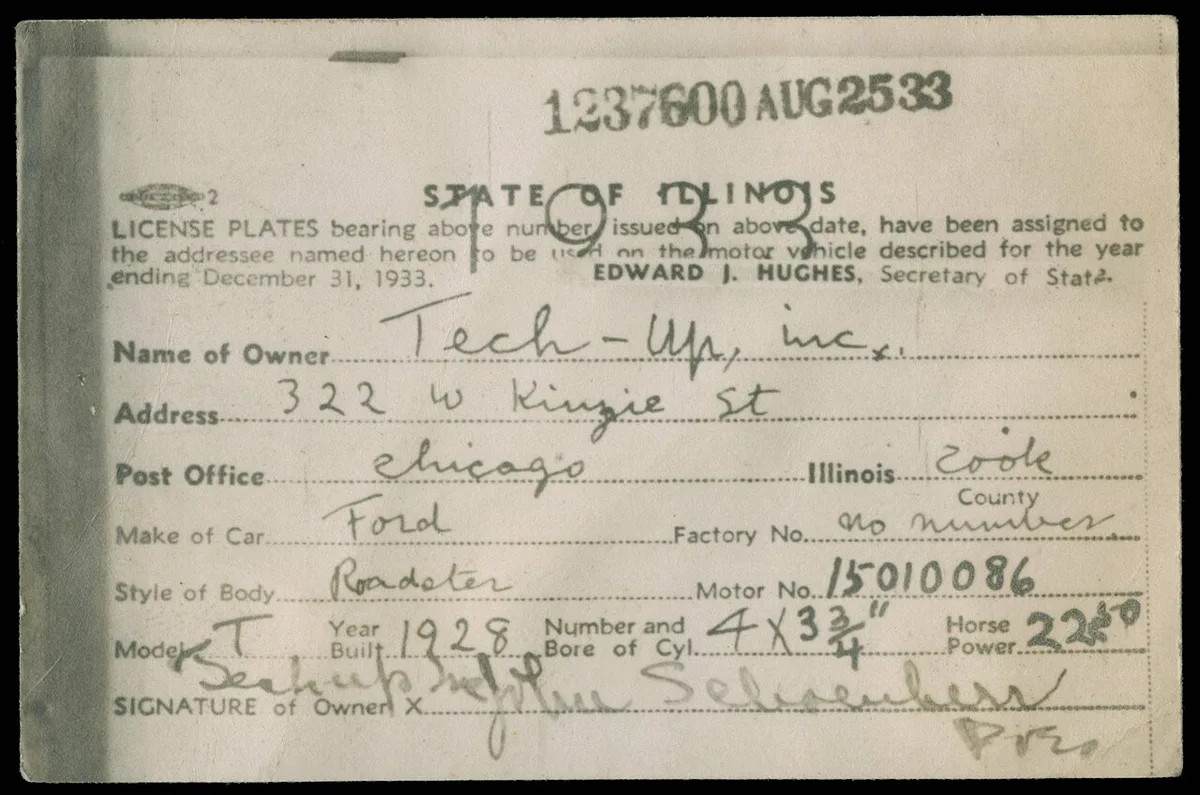
Image source: Wikimedia Commons / Unknown authorUnknown author
Registration and residency versus where you bought it
Most statutes use language like "purchased or registered in this state," and the "or" is doing a lot of work. Run the logic on your own situation.
- If the car is registered and insured in your name in one state, that's almost always the controlling statute.
- If you bought in one state and registered in another, the registration state usually wins.
- If you live in one state and the car is titled in a family member's name in another, you may not qualify as a consumer under either statute. Fix the paperwork before you file anything.
- If the vehicle is registered to a business, check the consumer definition carefully. Several statutes exclude business-registered vehicles outright.
Movers, military households, and multi-state ownership
Relocation is where solid claims fall apart. Two traps catch most people.
The first is timing. Some statutes require the car to be registered in the state at the time the defect first appeared, not at the time you file. If you moved mid-lease, pull your registration dates and your first repair order side by side before you assume anything.
The second is military service. Service members stationed away from their home state often get to elect home-state residency for legal purposes under the Servicemembers Civil Relief Act. That election can matter enormously when one state covers leases and the other doesn't.
Our research on state programs turns up the same pattern repeatedly. The owners who lose are the ones who filed in the wrong state and burned their deadline doing it.
When the manufacturer's arbitration clause overrides your state route
Some states make their arbitration program the required first stop before court. Others make it optional, and a few let you choose between the state program and a manufacturer-funded forum like BBB Auto Line.
Then there's the clause you signed at the finance desk. Many purchase contracts include a binding arbitration provision, and courts have generally enforced them under the Federal Arbitration Act, subject to state-specific limits.
If your contract has one, read the exact wording before you assume court is available. If it doesn't, your state statute controls the route. Either way, this is a fork worth checking in the first week, not the sixth month.
Branch Two: Does Your Vehicle Type and Ownership Status Qualify
State statutes don't cover every vehicle, and they don't cover every buyer. This branch filters out a surprising number of otherwise strong cases.
| Ownership status | Typical coverage | What usually decides it |
|---|---|---|
| New car, factory warranty active | Covered in all 50 states | Purchase or registration state |
| Used car with warranty remaining | Covered in most states | Whether the defect appeared during the warranty term |
| Used car bought as-is | Rarely covered by lemon law | State used-car warranty rules instead |
| Leased vehicle | Covered in many states | Whether the statute defines a lessee as a consumer |
| Certified pre-owned | Varies widely | The CPO warranty terms and the state's consumer definition |
| Business or fleet registered | Often excluded | Registration type and vehicle count |
New, used, leased, and certified pre-owned
New cars are the easy case. Every state covers them, and the defect usually surfaces well inside the warranty window.
Used cars are the gray zone. If the vehicle still carries the balance of the factory warranty and the defect appeared during that term, most states treat it the same as a new-car claim. If you bought it as-is with no warranty, the lemon law generally isn't your tool.
State used-car warranty statutes might be.
Leases trip people up because the assumption is that a lease isn't ownership. In practice, many statutes define "consumer" broadly enough to include lessees, since a lessee is the one stuck driving the car. Check your state's definition before you write the claim off.
Certified pre-owned sits in the middle. The CPO inspection warranty can function as an express warranty, which opens the door in states that cover used vehicles with warranty remaining.
Passenger cars and light trucks versus RVs, motorcycles, and boats
Vehicle class matters as much as ownership status. The dividing line in most statutes is gross vehicle weight rating, or GVWR, the maximum weight the vehicle is rated to carry including itself.
- Passenger cars and light trucks are covered essentially everywhere.
- Heavy-duty pickups above the state's GVWR cutoff are excluded in some states and covered in others.
- Motorhomes are split between the chassis and the living quarters in several states, which turns one claim into two.
- Motorcycles, scooters, and boats are covered in a minority of states. Most exclude them entirely.
If your vehicle falls outside the covered class, the lemon law isn't the route. The Magnuson-Moss Warranty Act or an implied warranty claim may still be.
Personal use, business registration, and fleet exclusions
A work truck registered to an LLC is not the same as a work truck registered to a person. Several statutes limit protection to vehicles used primarily for personal, family, or household purposes.
The fleet question is separate and just as sharp. Some states exclude vehicles registered to a business with more than a set number of vehicles. Others count the number of vehicles purchased in a single year.
If you're a small operator with one or two vehicles, you may still qualify. Read the consumer definition in your statute, not a summary of it.
Modifications, salvage titles, and as-is sales
Manufacturers defend these cases by attacking the vehicle's history, and they win more often than they should.
- Aftermarket modifications. A tune, a lift kit, or a suspension change gives the manufacturer a causation argument. They'll claim the modification caused the failure, and you'll need records showing the defect predates it.
- Salvage, rebuilt, or theft-recovery titles. Many statutes exclude these outright. If yours isn't excluded, expect a fight over diminished value.
- As-is sales. The Federal Trade Commission requires the Buyers Guide window sticker on used cars, and that sticker tells you whether a warranty exists. "As-is" on that sticker usually closes the lemon law door.
- Off-road or track use. Some warranties void coverage for competitive use. Read the exclusions page in your warranty booklet before you mention track days to anyone.
Branch Three: Is Your Defect a Nonconformity That Substantially Impairs the Car
Not every annoyance is a nonconformity, and not every nonconformity substantially impairs the vehicle. This branch is where the facts of your repair orders decide the outcome.
The test is practical. Ask whether a reasonable buyer would have paid the same price knowing about the defect. If the answer is no, you're probably in substantial impairment territory.
Defects that usually clear the bar
These are the categories that win most often, because the impairment is obvious and the repair records are clean.
- Powertrain failures. Engine, transmission, drivetrain, and hybrid or EV drive units. A slipping gearbox or a repeat misfire is about as clear as it gets. Dealers often start with transmission fluid checks and a software reflash before they'll admit a hard-part failure, so keep every invoice.
- Safety systems. Brakes, steering, airbags, and seatbelts. These clear the bar almost automatically, and several states lower the attempt threshold when the defect is a safety hazard. Anyone who has spent money upgrading tired steering parts knows how quickly a front-end noise turns into guesswork.
- EV and plug-in faults. Battery modules that won't hold charge, repeated charging failures, and drive-unit whine all qualify when they persist.
- Water leaks, mold, and structural noise. Leaks that return after sealing are classic nonconformities. Mold turns a comfort complaint into a health one.
- Repeat no-start conditions. A car that won't start is unusable, which is the plainest form of impairment there is. If a misfire traces back to oil-fouled spark plugs, that's an engine defect, not maintenance.
ADAS, infotainment, and software faults
This is the fastest-growing category and the messiest to argue. A backup camera that fails intermittently, adaptive cruise that brakes for shadows, or a lane-keep system that yanks the wheel are all safety-adjacent defects.
The problem is proof. Software faults often leave no parts trail, so the repair order just says "reprogrammed module." That reads like a routine update to a hearing officer.
Build the record differently. Keep dated videos of the failure, note the exact conditions, and save screenshots of any error messages. If you've been pulling your own codes, choosing a fault-code reader that logs freeze-frame data gives you evidence the dealer can't wave away.
Software and electrical problems are also where simple push-button start quirks can strand a car in a parking garage. Intermittent electrical faults are still defects, even when they don't throw a code the first time.
Cosmetic and trim issues that rarely qualify
Paint defects, misaligned panels, rattles, and peeling trim are the hardest claims to win. They're real problems. They just rarely meet the substantial impairment test on their own.
The exception is when a cosmetic defect signals something structural. A paint bubble over a rust-through area, or a water stain on a headliner, points to a bigger failure. Document the cause, not just the appearance.
Intermittent problems and the could not duplicate trap
"Unable to duplicate" is the most damaging phrase in a repair order. It resets the count in the manufacturer's system and makes the next visit look like the first.
Fight it with specificity. Write down the temperature, the speed, the road condition, and how long the car had been running. Hand that sheet to the service advisor and ask them to attach it to the ticket.
Then check the paperwork before you leave. If the write-up says "no fault found" instead of your actual complaint, ask for it to be corrected on the spot. A repair order that misstates the complaint is worse than no repair order at all.
Branch Four: Repair Attempts and Days Out of Service
Two clocks run at the same time in most states. One counts repair attempts. The other counts days the car sat unusable.
Hitting either can trigger the presumption.
Knowing which clock your state uses, and which one you're closer to, tells you when to stop being patient and start filing.
Counting attempts by distinct defect, not by dealership visit
This is the most common counting error we see. Courts and hearing officers count defects, not visits.
Three trips for the same transmission are three attempts at one defect. Three trips for a transmission, a backup camera, and a water leak are one attempt at each of three separate defects, which may not trigger anything.
Keep a simple log with four columns: date, mileage, the exact complaint in your words, and what the dealer did. Group the entries by defect. If your state requires three attempts at the same nonconformity, that grouping tells you instantly where you stand.
A breakdown that needs a flatbed also means knowing safe tow points so the hook doesn't tear up the bumper. That damage becomes a second fight you don't need.
Days out of service and how to tally waiting-on-parts time
Day counting is more generous than most owners realize. You count calendar days, not business days, and you count the days the car sat waiting for a part.
Start the tally the day you dropped the car off and stop it the day you picked it up. Include weekends and holidays. Keep the loaner or rental agreement as backup, because it proves the car wasn't in your possession.
If the dealer had your car for 12 days waiting on a backordered module, that's 12 days. Supply chain delays have pushed a lot of otherwise ordinary repairs over the 30-day line, and those days belong to the manufacturer, not to you.
State-by-state thresholds at a glance
Use this as a starting map, not as a substitute for the statute. Legislatures amend these numbers, and a stale figure can cost you a filing window.
| State | Warranty window | Trigger |
|---|---|---|
| California | 18 months or 18,000 miles (presumption) | No fixed count, a reasonable number of attempts |
| Texas | 24 months or 24,000 miles | 4 attempts, or 2 if a safety hazard, or 30 days out of service |
| Florida | 24 months or 24,000 miles | 3 attempts, or 15 cumulative days |
| New York | 2 years or 18,000 miles | 4 attempts, or 30 days |
| New Jersey | 2 years or 24,000 miles | 3 attempts, or 20 cumulative days |
| Washington | 2 years or 24,000 miles | 4 attempts, or 30 days |
The figures above reflect the statutes as of 2026. Verify each one against your state's official code or attorney general page before you rely on it.
One last if/then before you move to filing. If you've crossed the attempt threshold, start assembling your packet today. If you're close but not there, keep driving the car only as far as it's safe to, and get every visit documented in writing.
Deadlines keep running whether or not you're ready.
Written Notice: The Step That Sinks Otherwise Valid Claims
Most state statutes require written notice to the manufacturer before you can file anything. Skip that step and the best-documented case in the world gets postponed, or dismissed outright.
Notice does two jobs. It starts a response clock the manufacturer has to meet. It also proves you gave them a real chance to fix the car before you asked for your money back.
Send it to the address printed in your warranty booklet, not to the dealership. The dealer isn't the party you're filing against.
What the notice letter has to say
Keep it to one page and stick to facts. Hearing officers read hundreds of these, and the short ones get taken seriously.
Include the following:
- Your VIN, current mileage, purchase or lease date, and the state where the car is registered
- Each defect described in your own words, with the date you first reported it
- Every repair order number and service date, plus what the dealer actually did
- A plain statement that the vehicle is still defective and substantially impaired
- The remedy you want: repurchase, replacement, or repair with compensation
- A response deadline, usually 10 to 15 days depending on your statute
- Copies of the repair orders as attachments, never originals
One line matters more than the rest. Write that the vehicle "continues to exhibit the nonconformity described above despite multiple repair attempts." That sentence maps directly onto the statutory language most hearing officers are checking for.
Certified mail, return receipt, and proof that sticks
"I called the 800 number three times" is the most common losing statement in lemon law hearings. Phone calls rarely satisfy a written notice requirement.
Build proof that survives scrutiny:
- Mail the packet certified with return receipt requested, and keep the receipt
- Print the USPS delivery confirmation and save it as a PDF
- Photocopy the entire packet before it goes in the envelope
- Log the mailing date on your timeline the same day
If your state publishes a specific notice form, use it. Several attorney general programs provide one, and substituting your own letter when a statutory form exists is an easy way to get bounced.
Final repair attempt offers and your duty to cooperate
Many statutes hand the manufacturer one last shot at the car. They'll offer a final repair attempt, sometimes at a regional facility rather than your local dealer.
Take the offer. Refusing one looks like bad faith and can weaken a case that was otherwise clean. Drop the car off, get the write-up, and collect it when they call.
Your obligations end somewhere, though. You don't have to sign a release to get your car back, and you don't have to keep driving something unsafe. If the repair involves another 30 days in the shop, those days belong on your tally.
Watch how the work gets described. A dealer may record a slipping transmission as a routine fluid and filter service rather than a repair attempt, which quietly shrinks your count. Ask for the complaint to appear verbatim on the ticket before you leave the counter.
Choosing a Route: State Arbitration, BBB Auto Line, or Civil Court
Three routes exist in most states, and they don't carry the same risk. Pick one early, because switching later costs months.
| Route | Typical timeline | Cost to you | Binding? | Lawyer usually needed |
|---|---|---|---|---|
| State arbitration (AG or DMV program) | 40 to 60 days from filing | Free, or a small filing fee | Often binding once you accept the award | No |
| BBB Auto Line | 40 to 70 days | Free | Binding on the manufacturer if you accept | No |
| Civil court | 6 to 18 months | Filing fees, plus expert costs in some cases | Yes, subject to appeal | Usually yes |
How state-run arbitration programs actually run
These programs are administered by offices like the Texas DMV, the Washington Attorney General's Lemon Law Administration, or the New Jersey Division of Consumer Affairs. You file a form, attach your repair orders, and get a hearing date.
The hearing itself is informal. Expect a phone call or a short in-person session in front of a hearing officer, sometimes with a mechanic on the panel. Rules of evidence are relaxed, which cuts both ways.
Your records matter far more than your presentation skills.
A decision usually lands within a few weeks. In several states the manufacturer can appeal the outcome, while you typically can't. Read that clause before you file, because it changes how final your win really is.
Manufacturer-funded arbitration and what binding means
BBB Auto Line is the forum most manufacturers name in their warranty booklets, and it operates under the Magnuson-Moss Warranty Act framework. It's free to consumers and generally faster than court.
The word "binding" gets misread constantly. In most programs the award binds the manufacturer once you accept it. If you reject the award, you usually keep your right to sue, though you may lose the chance to use that forum again.
Read the first page of the program's consumer guide carefully. Some manufacturers limit which vehicles qualify, and some exclude claims already in litigation.
Filing suit, fee-shifting, and when court beats arbitration
Court is slower and more expensive, but it gives you something arbitration doesn't: discovery. That matters when the defect is software-related, when the manufacturer has internal service bulletins you've never seen, or when the buyback history looks suspicious.
Fee-shifting is the reason most owners can afford court at all. Many state lemon laws require the manufacturer to pay your reasonable attorney fees if you prevail. That provision is why lemon law attorneys can take cases on contingency and still get paid.
Run the if/then:
- If your state runs a mandatory arbitration program first, file there. Court comes after, not before.
- If your contract has a binding arbitration clause, check whether your state statute overrides it before you file a lawsuit.
- If the repair records are thin but the defect is obvious and repeatable, arbitration is usually the better bet. Paperwork-light cases favor a fast forum.
- If the manufacturer has already made a lowball offer, a fee-shifting statute gives your attorney leverage that a hearing officer doesn't.
- If your claim is worth less than a few thousand dollars, small claims court may beat every other option on speed alone.
What You Can Actually Recover and the Mileage Offset That Shrinks It
Refund, replacement, or cash in hand while you keep the car. Those are the three remedies, and they pay out very differently.
| Remedy | What you get | What you give up | Watch out for |
|---|---|---|---|
| Refund (repurchase) | Purchase price back, minus a mileage offset | The vehicle and its title | Joint payee checks with your lienholder |
| Replacement | A comparable new vehicle, sometimes with an offset | Your car and any added accessories | "Comparable" gets argued hard |
| Cash and keep | A cash settlement for diminished value | Nothing, you keep driving it | Much smaller payout, no title transfer |
What's included in a refund
The refund isn't the sticker price. It's what you actually paid, and most statutes list the components.
Expect to see your down payment, the trade-in allowance, every monthly payment you've made, sales tax, registration and title fees, and finance charges. Several states add incidental costs like towing, rental cars, and repair bills you paid out of pocket.
Now the exclusions. Aftermarket parts usually aren't reimbursed, and neither are dealer add-ons you financed into the deal. That includes things like a bed cover you bolted on after delivery, which stays with the car unless you remove it first.
Dealer extras deserve a hard look. Items such as locking wheel nuts or paint protection get folded into the financed amount, so knowing what a set of wheel nuts runs helps you spot an inflated line item on the worksheet. Ask for the itemized buyer's order, not the summary sheet.
One more exclusion trips people up. Negative equity rolled over from a previous loan usually doesn't come back, because it wasn't payment for this car.
The mileage offset formula and how to check their math
The offset is the usage fee for the miles you drove before the first repair. It's legitimate, and it's also the number manufacturers most often get wrong.
The standard formula looks like this: miles at first repair multiplied by the purchase price, divided by 100,000. Some states use 120,000 as the denominator, which lowers the offset slightly.
Run a real example. You bought the car for $38,000 and the first repair happened at 6,000 miles. That's 6,000 times $38,000, which equals $228,000,000.
Divide by 100,000 and your offset is $2,280.
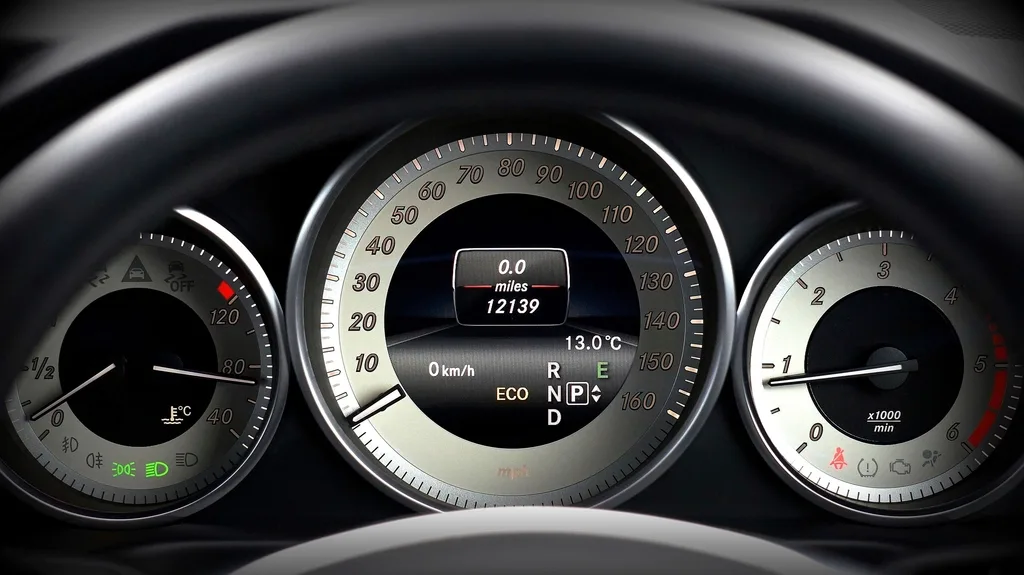
Image source: Openverse / Openverse contributor
A few states skip the offset entirely when you take a replacement vehicle. Others apply it only to the refund. Ask which version your statute uses before you accept any number a manufacturer's representative quotes you.
Lienholders, joint payees, and getting a check you can actually spend
This is where buybacks stall for weeks. The refund check typically arrives made out to you and your lender, and you can't cash it alone.
Get ahead of it. Request a written payoff quote from your lender, dated the day you expect to sign, and confirm whether per-diem interest applies. Send the quote to the manufacturer's rep before closing.
Then sort out the sequence. The lender gets paid first, the lien is released, and any surplus comes to you. If you paid ahead on the loan, that overpayment should be refunded too.
Two smaller items worth chasing. Any gap insurance or service contract financed into the deal should be cancelled and prorated. And confirm who pays for the title transfer and plate surrender, because some states put that on the manufacturer and some don't.
Filing Deadlines and Statutes of Limitations
Deadlines end more lemon law claims than bad facts ever do. The car can be a genuine lemon and you can still lose by filing late.
Where the clock starts
This is the part nobody explains clearly, and it varies by state. Common anchors include the delivery date, the date of the last repair attempt, the date you sent written notice, and the date you first knew about the defect.
| Deadline type | Typical length | Clock starts | Where to confirm |
|---|---|---|---|
| Warranty window for the presumption | 18 to 24 months or 18,000 to 24,000 miles | Delivery date | Your state statute |
| Lemon law filing period | 6 months to 4 years, depending on state | Last repair, notice, or delivery | State AG lemon law page |
| Implied warranty claim (UCC) | Often 4 years | Delivery or discovery | State commercial code |
| Arbitration filing window | Often tied to the same statute | Same as above | Program's consumer guide |
Two things stand out. The warranty window that creates the presumption is short, often 18 to 24 months. The filing deadline is usually longer, which creates a false sense of safety.
Owners sit on a valid claim during the warranty window and then discover the filing clock has already run.
Why days out of service keep running while you wait
You're waiting on a callback from a regional service rep. The car is sitting at the dealership. Nothing feels like it's moving.
Everything is moving. Your repair-attempt count is frozen, but your calendar isn't. Days out of service accumulate while you wait, and your filing window keeps closing.
Set a hard date on your own calendar. If the manufacturer hasn't resolved it within 30 days of your written notice, file with your state program or call an attorney. Patience past that point costs you leverage.
What to do if you've already blown a deadline
You're not out of options, but the menu shrinks. Three routes stay open in most states.
- A UCC implied warranty claim. Many states allow four years from delivery for breach of the implied warranty of merchantability, which can outlast the lemon law window.
- A Magnuson-Moss claim. It's federal warranty law with its own limitations period, and it can sometimes reach conduct the state statute doesn't.
- A state consumer protection claim. Unfair or deceptive trade practice statutes carry their own timelines and, in some states, extra damages.
Talk to a consumer warranty attorney before you assume it's over. A single consultation is usually free, and the answer depends on dates you probably have in a drawer somewhere.
Building the Repair-Order File That Wins Hearings
Hearings are decided on paper. The owner with twelve organized documents beats the owner with a convincing story every time.
The documents that carry a case
Gather all of this before you file, not after:
- Every repair order, including the ones that say "no fault found"
- The purchase or lease contract and the financing agreement
- The warranty booklet, and any certified pre-owned inspection report
- Your notice letter and the certified mail receipt
- Loaner and rental agreements for the days the car was in the shop
- Tow receipts and any out-of-pocket repair invoices
- Photos and video of each defect
- A call log with dates, names, and what each person told you
- Payment records showing every monthly payment made
Staple each repair order to a one-line summary in your own words. Hearing officers read fast, and a summary that says "third visit for the same shudder at 45 mph" does more work than four pages of dealer jargon.
Photographing and videoing intermittent defects
Intermittent faults are the hardest to prove and the easiest to record properly. Do it the same way every time.
Film the dashboard and the defect in a single frame. The odometer, the warning light, and the noise all need to appear together, or the clip proves nothing about when it happened.
Narrate the conditions out loud: cold start, outside temperature, speed, weather, how long the car had been running. Those details are what let a technician reproduce the fault later.
Keep the original files. Don't crop, don't compress, and don't film in five-minute chunks. A tight 20-second clip with clear audio beats everything else.
Part numbers matter too. A repair order that lists a component by description only tells you nothing about what went in, and whether the pricier chassis parts are worth it becomes a fair question at the hearing. Ask for part numbers on every invoice.
Keeping a mileage and downtime log
Build one simple table and update it the day of every visit. It becomes the spine of your hearing packet.
| Date in | Date out | Days down | Mileage | Complaint (your words) | Dealer action |
|---|---|---|---|---|---|
| 03/04/2026 | 03/16/2026 | 12 | 5,140 | Transmission shudders at 45 mph | Reprogrammed module, no repair |
| 04/02/2026 | 04/03/2026 | 1 | 5,890 | Same shudder, worse when warm | Could not duplicate |
| 05/11/2026 | 05/30/2026 | 19 | 6,410 | Same shudder, plus hard downshift | Valve body replaced |
That single table shows 32 cumulative days out of service and three attempts at one defect. Florida's 15-day threshold and Texas's 30-day rule both come into focus without any argument about interpretation.
Assembling the hearing packet
Order the packet the way a hearing officer reads, not the way you experienced it. Cover sheet first, then a one-page timeline, then each defect as its own section with the matching repair orders.
Number every page. Make three copies: one for the panel, one for the manufacturer's representative, and one for you to hold.
Put the remedy calculation on its own page near the back. Show the purchase price, the mileage offset math, the taxes and fees, and the total you're asking for. A number the officer can verify in ten seconds is a number they're more likely to award.
Mistakes That Kill Lemon Law Claims
Most failed claims don't lose on the merits. They lose on something the owner did in month two, long before anyone filed a form. These are the ones that show up again and again in hearing outcomes.
Trading the car in or accepting a goodwill repair
A trade-in ends the claim. The moment you sign the dealer's paperwork, the defective vehicle is theirs and whatever they allowed you for it is the settlement. Your refund argument now belongs to the dealership, not to you.
The money side usually gets worse. Negative equity from a lemon tends to roll straight into the next loan, so you end up financing the loss on top of the new car.
Goodwill repairs are quieter and just as damaging. A dealer offers to fix it free "as a favor" and never opens a repair order. No record, no attempt counted, no case.
Take the free repair. Refuse the off-the-books part. Ask for a written repair order every single time, even when the invoice total reads zero dollars.
Verbal complaints and off-the-books dealer fixes
A service advisor who says "we'll take care of it" is not creating evidence. If the visit never lands in the manufacturer's system, a hearing officer has nothing to count.
The "let's just clear the code and see" fix causes the same problem. The car leaves running fine, the record shows one visit, and the fault returns two weeks later with no paper trail behind it.
Phone calls are the other silent killer. Log every one with the date, the name, and what you were told. Then follow up by email so the conversation exists in writing.
Modifications that hand the manufacturer a causation defense
Manufacturers don't have to prove your modification caused the failure. They only have to raise it convincingly. That's a much lower bar.
The moment you mention adding forced induction or a lift, expect a causation argument in the response letter. Save every receipt, and make sure the install date predates the first repair order.
Some changes are safe ground. Torquing your own wheel hardware or swapping to a winter set gives nobody a defense, though it helps to know what a replacement set of wheel nuts runs so a shop invoice doesn't catch you off guard.
Lowball settlements that quietly exclude taxes and fees
The first offer is rarely the real number. Manufacturer reps open with a figure built to look generous and structured to leave money behind.
Watch for these omissions:
- Sales tax and registration fees left out of the refund
- The down payment treated as a sunk cost
- Trade-in credit ignored entirely
- Finance charges excluded because "the lender collected those"
- A mileage offset calculated with the wrong denominator
- A release that waives your right to cancel add-on products separately
Read the release line by line before you sign anything. Once it's signed, the claim is over, confidentiality clause included.
Assuming attorney fees come out of your pocket
This assumption keeps more valid claims unfiled than any other. Most state lemon law statutes include a fee-shifting provision that makes the manufacturer pay your reasonable attorney fees when you prevail.
That's why lemon law firms can work on contingency. They get paid by the other side, not out of your refund.
The catch is real, though. Fee-shifting applies when you win, and "prevailing" is defined differently from state to state. Ask any lawyer you call how they get paid if the case settles early, and get the answer in writing.
DIY Claim vs. Hiring a Lemon Law Attorney
Both routes work. The right one depends on how clean your record is and how hard the manufacturer pushes back.
| Your situation | Handle it yourself | Bring in counsel |
|---|---|---|
| Clear repeat defect, three or more documented visits | Yes, state arbitration is built for this | Not necessary at first |
| Intermittent fault with thin repair orders | Risky, the record won't carry you | Yes, before you file |
| Software, ADAS, or EV battery dispute | Hard to argue alone | Yes, technical evidence needed |
| Written lowball offer already on the table | Possible, but leverage is thin | Yes, fee-shifting changes the math |
| Contract contains a binding arbitration clause | Only after checking state limits | Yes |
| Filing deadline already passed | No | Yes, backup theories exist |
What you can realistically handle alone
State arbitration programs are designed for unrepresented consumers. The forms are short, the hearings are informal, and the deciding factor is your paperwork rather than your speaking ability.
If you have three repair orders for the same defect, a certified notice letter, and a clear impairment argument, filing alone is a sensible first move. You risk nothing but time.
What you should not do alone is negotiate a settlement without understanding what your statute entitles you to. A hearing officer tells you what you're owed. A manufacturer's rep tells you what they'd like to pay.
What fee-shifting statutes change about the math
Fee-shifting flips the cost calculation. A manufacturer facing a claim worth $28,000 may spend $40,000 defending it and another $30,000 paying your lawyer if they lose. That asymmetry is what drives early settlements.
It also explains why some manufacturers get more reasonable the day an attorney sends a letter. Nothing about the facts changed. The exposure did.
One practical note. If you've been tracking the fault yourself with your own scan tool, hand those logs to counsel rather than the dealer. Freeze-frame data with timestamps is evidence, and it's evidence the service department can't overwrite.
Red flags that mean you need counsel now
Call someone the same week if any of these show up:
- The manufacturer's response letter cites a specific statute or deadline back at you
- You're offered a settlement that requires confidentiality
- The dealer has started calling a hard-part failure a maintenance item
- Your repair orders list "no fault found" more than once
- The car is unsafe to drive and the dealer won't keep it
- A lienholder is named on the title and the payoff math looks off
A first consultation is usually free. Use it to get a read on your dates, not to hear a sales pitch.
Lemon Law vs. Recall, Extended Warranty, and Class Action
Four different mechanisms get mistaken for a buyback remedy. Each does one job, and none of them does the lemon law's job.
| Route | What it actually delivers | Typical timeline | Your cost |
|---|---|---|---|
| State lemon law claim | Refund, replacement, or cash settlement | 2 to 6 months | Free to modest filing fee |
| NHTSA safety recall | A free repair of the recalled defect | Weeks to months after parts ship | Free |
| Extended warranty or service contract | Repairs only, never a buyback | Per visit | What you paid for the contract |
| Class action | Small per-owner payment, rarely a repurchase | 2 to 5 years | Nothing, but no control |
| Magnuson-Moss or implied warranty claim | Damages or repair costs, sometimes fees | Months to years | Filing costs |
Recall remedies versus compensation
A recall is a repair order from the federal government. It fixes a safety defect for free, and it does not pay you for the months you spent in a rental.
Recalls do matter to a lemon claim in one specific way. If the defect that ruined your ownership is the same defect later recalled, the recall notice proves the problem was real and known. Save it and add it to your packet.
Report anything safety-related to NHTSA directly. Those reports are what trigger investigations, and they're public record you can point to later.
Why a service contract never buys your car back
An extended warranty pays for repairs. That's the whole product. No service contract on the market obligates anyone to repurchase your vehicle, no matter how many claims you file.
Two things are worth doing anyway. First, cancel the contract after a buyback and collect the prorated refund, which is money most owners forget. Second, read its arbitration clause, because some contracts route disputes into a forum that isn't your state lemon law program.
Watch how repair visits get coded, too. A dealer may log a hard shift as a fluid and filter service rather than a repair attempt, which quietly shrinks your count without anyone lying on the form.
What an implied warranty claim adds when the statute doesn't fit
When the lemon law window has closed or your vehicle falls outside the covered class, the implied warranty of merchantability under UCC Article 2 is the usual backup. It doesn't require a written warranty at all. It requires a product that isn't fit for its ordinary purpose.
The Magnuson-Moss Warranty Act runs alongside it as federal warranty law. Together they can reach used cars, business vehicles, and defects that surfaced after the state presumption expired.
Proof is harder on these theories, and you'll likely need an expert. That's the trade. The lemon law is fast and narrow.
Implied warranty claims are slower and wider.
When a class action is the wrong tool
Class actions recover small amounts per owner and take years to resolve. If your goal is a new car, a class action won't get you one.
Where they help is systemic defects affecting thousands of vehicles, especially when your individual damages are modest. Even then, check whether you can opt out and pursue your own claim. Many owners can.
Quick Decision Guide: Where Your Situation Lands
Find your branch, then take the first action listed. Don't wait for certainty before you start collecting documents.
If your car is new and still under warranty
You're in the strongest position. Every state covers you, and the repair records are probably already clean.
Start the timeline today. Send written notice by certified mail once you hit three visits for the same defect, even if your state's threshold is four. Notice starts a clock the manufacturer has to answer.
Open a folder for repair orders, the purchase contract, and your notice receipt. File your state arbitration claim the day the response deadline passes.
If you bought used with warranty remaining
Check two things before anything else. Does your state's statute cover used vehicles, and did the defect appear during the warranty term?
If both answers are yes, you're treated much like a new-car buyer. If the defect predates your purchase, the manufacturer will argue it was pre-existing and you'll need the prior owner's records or a pre-purchase inspection to counter.
If your state excludes used cars, shift to the implied warranty and Magnuson-Moss routes instead of filing blind.
If you lease
Leases are covered in more states than most lessees assume. Read the statute's definition of "consumer" and look for the word lessee.
Your refund math works differently, though. You're recovering payments made, not the full purchase price, and the lessor holds the title. Get the lessor's payoff quote early and expect them to be a party to the settlement.
If a shop already replaced front-end suspension parts and billed you for premium components, keep that invoice. Out-of-pocket repairs during the lease are recoverable in several states.
If you've already missed a notice or a deadline
You still have moves. Send the notice letter now, even if it's late, because some statutes measure the clock from notice rather than delivery.
Then get a consultation booked and bring every date with you. If a shop has been topping up the gearbox instead of fixing it, pull those invoices too. Prior repair history can reset the timeline argument in your favor more often than owners expect.
If the manufacturer has already made an offer
Don't sign anything the same week. Compare the number against the refund formula in your statute, tax and fees included.
If the offer is within a few percent of the statutory calculation, taking it can be the smart move. Speed has value. If it's short by thousands, that gap is exactly what fee-shifting leverage is for.
Frequently Asked Questions
How many repair attempts does it take to claim a lemon?
It depends on your state. Thresholds range from two to four attempts, and several states count days out of service instead. Texas uses four attempts or 30 days.
Florida uses three attempts or 15 cumulative days. Some states set no fixed number and ask only for a reasonable amount.
Does the lemon law cover used cars?
Often, yes, but the rules are tighter. Most states cover a used vehicle that still carries the balance of the factory warranty, provided the defect appeared during that term. As-is purchases are usually excluded.
A handful of states have separate used-car warranty statutes with shorter coverage windows.
Can I file a lemon law claim without a lawyer?
Yes. State arbitration programs are built for consumers filing alone, and the forms are short. What decides your case is documentation, not legal argument.
Hire counsel when the manufacturer disputes causation, when a lowball offer is already on the table, or when a filing deadline has passed.
Do I keep making loan payments during a claim?
Yes. Missed payments hurt your credit and can trigger a repossession, which kills the claim outright. Keep paying until the vehicle is formally repurchased.
Your payments are recoverable as part of the refund in most states, so keep every receipt.
What happens to my car after a buyback?
The manufacturer takes possession and resells it, usually at auction with a branded title disclosing the repurchase. That brand follows the VIN permanently. It's why a buyback history is checkable, and why the next buyer gets a warning you never got.
How long does a lemon law claim usually take?
Plan on two to six months for state arbitration and longer for court. A hearing date often lands 40 to 60 days after you file, and a decision follows within weeks. Settlements can move faster once an attorney is involved.
Court cases can run a year or more.
