
You've probably heard the phrase in a dealership showroom, usually right before someone slides a pen across the desk. So what is a bumper to bumper warranty, honestly? It's the manufacturer's basic limited warranty, and it covers most parts on a new car for a set window of time.
It is not a promise that nothing will ever cost you money.
The usual term is 3 years or 36,000 miles, though some brands stretch to 4 years/50,000 or 5 years/60,000. That number always lives in written contract language, and the contract carries an exclusion list longer than the coverage list. Our research keeps landing on the same finding: exclusions decide claims, not the label.
So let's start with the label itself.
What Is a Bumper to Bumper Warranty
A bumper to bumper warranty is a manufacturer's basic limited warranty. It covers most parts except a published list of exclusions. The phrase has no legal definition.
Coverage typically runs 3 years or 36,000 miles. Tires, brake pads, and fluids are usually excluded.
Why Bumper to Bumper Is Marketing Shorthand, Not a Legal Term
Search federal law for the phrase and you'll come up empty. No statute, regulation, or standards body defines a bumper to bumper warranty. It's trade shorthand, and it means whatever the person using it wants it to mean.
What federal law does define is the word "warranty" itself. The Magnuson-Moss Warranty Act sets rules for any written warranty on a consumer product, including cars. It separates "full" warranties from "limited" ones and requires the label to say which you're getting, as you can read in the statute text.
It never mentions bumpers.
That gap is where confusion lives. Four different people use the same phrase to describe four different products.
| Who says it | What they usually mean |
|---|---|
| Manufacturer brochure | The new vehicle limited warranty, free with the car |
| Dealer finance office | A paid vehicle service contract, often third-party |
| Used car listing | Whatever factory coverage has time left on it |
| Mailer or robocall | An extended plan pitch, sometimes outright fraud |
Manufacturers are loose with the wording too. Some print "bumper to bumper" in their own brochures because shoppers search for it. Others never use it and stick to "new vehicle limited warranty" or "basic warranty." Same product, different label.
Here's the practical problem. The phrase describes a physical span, from one bumper to the other. That reads like a promise about the bumpers themselves.
Real coverage is narrower: defects in materials or workmanship during normal use. A bumper cover that cracks because of a bad mounting clip is a warranty issue. A bumper cover you backed into a parking bollard is an insurance claim.
The UK and EU have their own vocabulary. Buyers there talk about a "manufacturer warranty" or a "regulated extended warranty," and the bumper phrase barely registers. That's a useful clue.
When one market never adopted a term, it's usually marketing, not engineering.
Once you say the words out loud, the real question stops being what the label means. It becomes what the paperwork lists.
What a Bumper to Bumper Warranty Actually Covers
The core promise is broad but conditional. Covered parts must fail because of a defect, not because of age, wear, accident, or neglect. That single condition removes a lot of the repairs people expect to be free.
Within that limit, basic coverage reaches most of the car:
- Body and trim: bumper covers, grille, exterior moldings, paint defects, weather seals, and water leaks traced to a defect
- Electrical: wiring, modules, motors, window regulators, and lighting assemblies
- Electronics and infotainment: head units, screens, backup cameras, parking sensors, radar units, and driver-assist hardware
- Climate control: A/C compressor, condenser, heater core, blower motor, and blend door actuators
- Steering and suspension: pumps, racks, control arms, bushings, and struts (unless listed as wear items)
- Brakes: calipers, lines, master cylinder, ABS pumps, and wheel speed sensors
- Engine and transmission: internal lubricated parts, sensors, seals, and mounts
- Squeaks and rattles: usually limited to the first 12 months or 12,000 miles
Modern cars make this coverage more valuable than it used to be. A single front radar unit or camera module can run well past a thousand dollars. If you're curious how much of the electronics stack has moved into touchpoints you use daily, the differences between how push-button and fob systems work show how much of that hardware now sits inside basic coverage.
So Does It Cover the Actual Bumpers?
Yes, in one narrow sense. A bumper cover with a manufacturing defect, bad paint adhesion, or a broken mounting bracket is covered. Impact damage, curb scrapes, and parking lot contact are not.
Those fall to your collision policy, and filing them as warranty claims wastes everyone's time.
What About Diagnostics?
Diagnostic time is often covered when the repair turns out to be a warrantable defect. If the shop finds nothing wrong, or finds a non-covered cause, you can expect a diagnostic fee. That fee varies widely by dealer, usually $100 to $200.
A capable handheld scan tool can at least tell you whether a warning light points at a covered system before you book an appointment.
Here's a rough map of what the two main factory tiers do and don't handle.
| Component | Basic (bumper to bumper) | Powertrain only |
|---|---|---|
| Bumper covers, grille, trim | Yes, defects only | No |
| Infotainment, cameras, radar | Yes | No |
| A/C compressor, heater core | Yes | No |
| Brake calipers, ABS, lines | Yes | No |
| Brake pads and rotors | No, wear items | No |
| Engine internals, transmission | Yes | Yes |
| Turbocharger, fuel pump | Usually yes | Usually yes |
| Hybrid battery pack | Separate, longer term | No |
Basic, Powertrain, Corrosion, Emissions: The Four Factory Warranties Behind the Label
Nobody gets one warranty. You get a stack of them, each with its own clock. They run in parallel, so the basic plan expiring at 36,000 miles has no effect on the powertrain plan running to 60,000 or beyond.
As of 2026, the basic coverage norm in the US market still sits at 3 years or 36,000 miles. A handful of brands use 4 years/50,000 miles, and a few mainstream names use 5 years/60,000. The powertrain tier ranges from 5 years/60,000 miles up to 10 years/100,000 miles depending on the badge on the hood.
| Warranty | Typical term | What it actually covers |
|---|---|---|
| New vehicle limited (basic) | 3 yr/36,000 mi | Most parts except wear items and exclusions |
| Powertrain | 5/60,000 to 10/100,000 | Engine, transmission, drive axles, related seals |
| Corrosion or perforation | 5 to 7 yr, often unlimited miles | Rust that perforates a body panel from the inside |
| Federal emissions, performance | 2 yr/24,000 mi | Emissions control components and sensors |
| Federal emissions, long term | 8 yr/80,000 mi | Catalytic converter, ECU, onboard diagnostics |
| Safety belt | 5 yr/50,000 mi | Belts, buckles, retractors, and inflators |
| Hybrid or EV battery | 8 yr/100,000 mi, longer in CARB states | Battery pack, modules, and thermal management |
| Adjustments | 1 yr/12,000 mi | Alignment, wheel balancing, wiper arm adjustments |
Two of those deserve extra attention. The corrosion warranty sounds generous until you read the fine print: it covers rust that eats a hole through metal from the inside out, not surface rust or paint bubbling. And the emissions tiers are federal requirements, which means they exist on every new car sold in the US regardless of brand goodwill.
Powertrain is the tier that saves the most money when it fires. A transmission replacement typically lands between $4,000 and $8,000, and a rebuilt unit plus labor on a modern eight-speed can push higher. Keeping that plan alive is mostly about maintenance records, so the routine work matters.
Something as ordinary as topping off the fluid to the right level and logging it protects a claim you might need two years later.
Do These Timers Start at Purchase or at Delivery?
They start when the car is first delivered, which for a new car is the same day. For a used car, the clock started with the original owner. That's why a three-year-old trade-in with 34,000 miles may have two thousand miles of basic coverage left and nothing more.
What Happens If You Buy Used?
Coverage follows the VIN, not the owner, unless the manufacturer restricts it to the first buyer. Most mainstream brands don't, though some EV makers do. Certified pre-owned programs add their own layer on top, often extending the powertrain and adding a limited bumper-to-bumper period with a deductible.
The Exclusion List Is the Contract: Wear Items, Trim, Glass, and the Fine Print
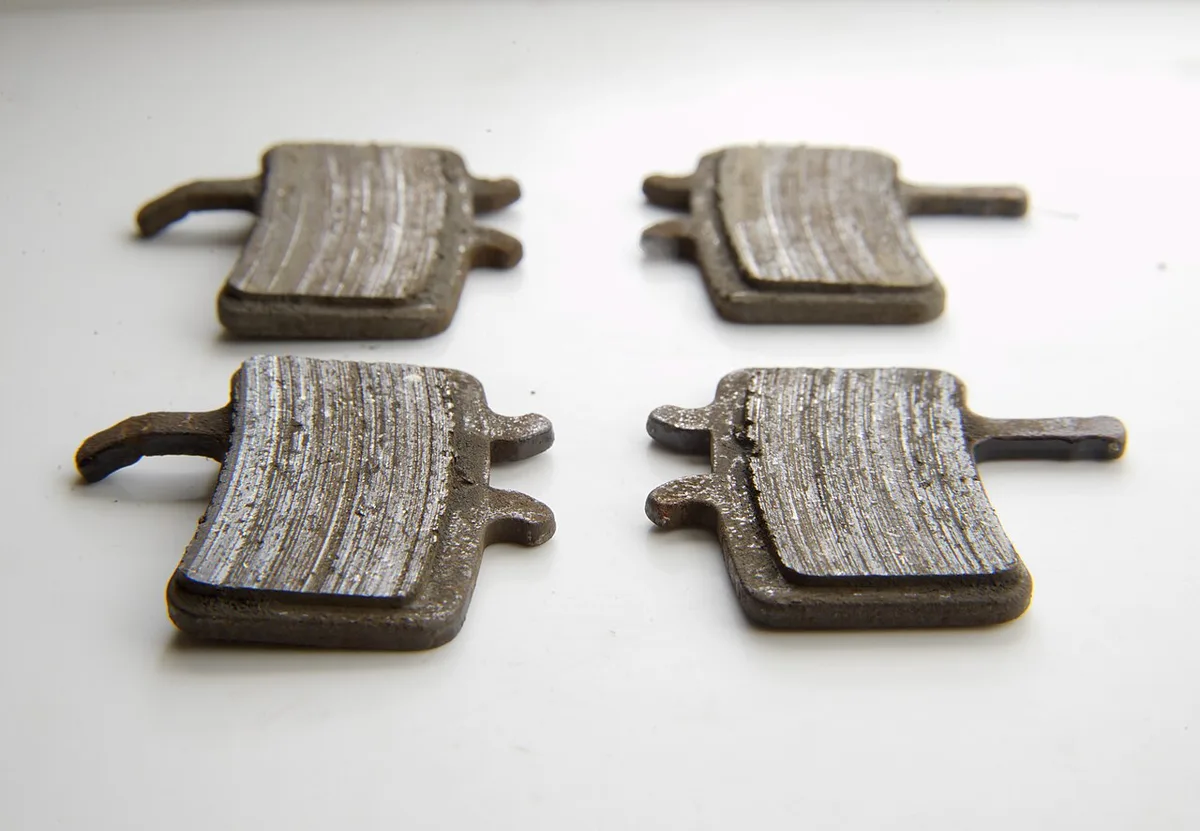
Image source: Wikimedia Commons / Troy Sankey (CC BY-SA)
Everything in the previous sections describes what might be covered. This section describes what won't be, and it's the part that decides real claims.
Wear items are parts designed to be replaced on a schedule. They're excluded because their failure is predictable, not defective.
- Tires, which carry their own separate warranty from the tire maker, usually prorated
- Brake pads, shoes, and rotors
- Wiper blades and inserts
- Clutch discs and pressure plates on manual cars
- Filters, fluids, and refrigerants
- Spark plugs, belts, and hoses on many brands
- Batteries, prorated after the first year or two
- Bulbs, including headlights and taillights, unless a housing defect caused the failure
- Fuses and relays
That bulb line surprises people. Replacing a headlight assembly on a modern car can run several hundred dollars, and knowing what a replacement bulb costs helps you budget for the parts the warranty won't touch. Same story with wipers, which most owners replace yearly anyway.
Getting the correct blade length for the vehicle is cheaper than assuming coverage exists.
Beyond wear items, four more categories show up in nearly every exclusion list.
Cosmetic and environmental damage. Door dings, curb rash, paint chips, hail, flood, fire, tree limbs, and road debris. All insurance territory.
Glass. A stress crack from a defect may be covered. A chip from a gravel truck is not, and neither is the recalibration of the camera behind the windshield unless the glass work itself triggered a warranty repair.
Interior wear. Stains, burns, tears, and faded upholstery are excluded unless you can tie them to a material defect. Some brands add a separate appearance plan for this, sold as an add-on.
Misuse and modification. Racing, track days, towing beyond the rated capacity, lift kits, engine tunes, and unapproved electrical add-ons. This is where aftermarket work gets risky. A dealer can't void your whole warranty because you installed a part, but they can deny a specific claim if they can show the part caused the failure.
That distinction is the difference between a scare tactic and a legitimate denial.
Reading an exclusion list well takes about ten minutes if you know what to look for.
- Find the "What Is Not Covered" section. It's usually buried between pages 8 and 14 of the booklet.
- Search for the words "wear," "normal," "adjustment," "modification," and "consequential."
- Note whether maintenance must be documented with receipts.
- Check what happens with aftermarket parts of equal quality.
- Check whether consequential losses are excluded, meaning rental cars, towing, and lost time.
- Look for a separate tire and battery section, since both are usually handled outside the main warranty.
One line worth hunting for: any clause requiring service at the selling dealership. In the US, that's generally unenforceable, and the next section explains why.
Factory Warranty vs. Dealer Service Contract: What You're Really Buying at the Finance Desk
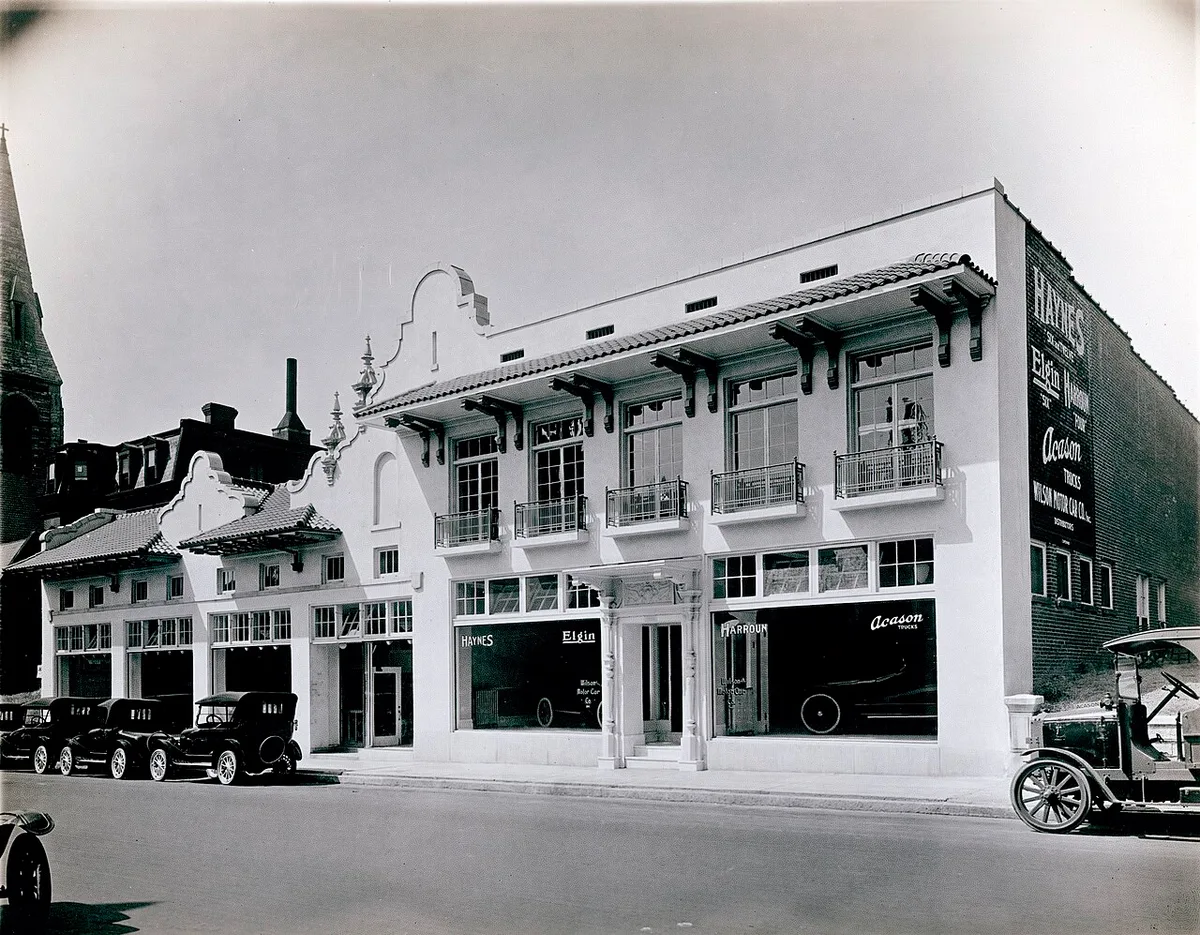
Image source: Wikimedia Commons / W.C. Persons
This is where the phrase does the most damage. You've agreed on a price, you're tired, and the finance manager slides a brochure across the desk. It says bumper to bumper coverage in large type.
It is not a warranty, and it is not free.
The federal government draws the same line. The FTC's consumer guidance separates a warranty, which comes with the product at no extra cost, from a service contract, which you buy separately. You can read the distinction directly on the FTC's consumer page.
It's a short read and it's worth ten minutes before you sign anything.
| Feature | Factory basic warranty | Vehicle service contract |
|---|---|---|
| Cost | Included in the car price | $1,500 to $3,500 typical |
| Who backs it | The manufacturer | Manufacturer, dealer, or third party |
| When it starts | Day of first delivery | Purchase date, often after a waiting period |
| Where you can repair | Any franchised dealer | Often any licensed shop, sometimes in-network only |
| Deductible | None | $0 to $200 per visit |
| Who approves claims | Dealer warranty clerk | Plan administrator, often by phone |
| Cancellation | Not applicable | 30 to 60 days, state-dependent |
| Transferable | Follows the VIN | Only if the contract says so |
Four questions cut through the pitch in under two minutes.
- Who is the plan administrator, and is it the manufacturer or a third party?
- Can I see the full exclusion list before I sign?
- What's the deductible, and does it apply per visit or per repair?
- Is there a waiting period, and does the plan exclude pre-existing conditions?
That last one matters more than people expect. Many contracts impose a 30-day or 1,000-mile waiting period before coverage begins. If your transmission starts slipping on day nine, a pre-existing condition clause can turn the whole thing into a refund request instead of a repair.
Financing changes the math too. A $2,500 plan rolled into a 60-month loan at 7% adds roughly $470 in interest, which pushes the true cost past $2,900. Dealers like payment packing because it hides the number inside a monthly figure.
Ask for the out-the-door price of the contract on its own line.
There's also a duplication trap. If your car still has two years of factory basic coverage left, a service contract bought today may overlap with coverage you already own. Ask what the plan covers in year one that the factory plan doesn't.
Sometimes there's a real answer. Often there isn't.
Third-party plans carry a distinct risk that manufacturer-backed plans don't. If the administrator goes under, the contract is a piece of paper. State insurance departments regulate these products in many states, and licensing varies, so a quick check with your state regulator is worth the effort.
And if you're thinking about protecting your investment with accessories, understand where the line sits. A bed cover or similar bolt-on part is generally safe when it doesn't alter the electrical system, and guidance on picking out a bed cover usually covers fitment without drilling. Tapping into factory wiring is a different conversation.
So is towing, which is why knowing where a proper tow point sits keeps a bad day from becoming a denied claim.
The label on the brochure reads the same either way. The name of the company backing the plan is what actually changes.
Your Federal Protections: Magnuson-Moss, Anti-Tying Rules, and the FTC Buyers Guide
Two federal rules matter more than anything said at the finance desk. One controls how a warranty must be labeled and disclosed. The other stops a manufacturer from forcing you to use their dealership for service.
Both come from the Magnuson-Moss Warranty Act, passed in 1975 and still the backbone of US warranty law. Knowing what it says turns a vague argument into a short, factual conversation.
What Does the Magnuson-Moss Warranty Act Actually Do?
It forces every written warranty on a consumer product to declare itself "full" or "limited." A full warranty has to clear a federal floor. Warranty repairs cost you nothing, implied warranty duration can't be shortened, and consequential damages can't be excluded in most cases.
A limited warranty can do all the things a full warranty can't. Almost every new car warranty sold in the US carries the limited label, and that's not a red flag. It's disclosure.
The label tells you the manufacturer kept some strings attached.
The part shoppers miss is what the Act requires them to disclose. Terms, duration, exclusions, and the remedy have to be stated up front in plain language. That's why the exclusion list exists as a printed document at all, rather than as something a service writer explains from memory.
Federal law also keeps service contracts in a separate bucket. Those paid plans must be identified as service contracts, not warranties. When a brochure calls a $2,800 plan a "bumper to bumper warranty," that's a labeling problem, not a legal category.
| Protection | What it means for you |
|---|---|
| Full vs limited labeling | You must be told which one you're getting, in writing |
| Disclosure of terms and exclusions | The fine print has to exist before you buy |
| Implied warranty preservation | A "full" warranty can't cut state implied rights |
| Access to records | You can ask to read the actual warranty document |
| Right to sue for breach | Breach of warranty claims can go to state court, with attorney fees in some cases |
Can a Dealer Require You to Service the Car at Their Shop?
No, and this is the single most useful fact in warranty law. The anti-tying provision in the Act says a warrantor can't condition coverage on you using a specific brand of part or service unless they give it to you free.
In practice, that means your oil changes at an independent shop don't void anything. Neither does a Bosch battery instead of the factory-branded one. Neither does a set of quality aftermarket suspension components installed by a competent shop.
What the rule doesn't do is protect a bad part. If an aftermarket part fails and the manufacturer can show it caused the damage, they can deny that specific claim. That's a denial of one repair, not a cancellation of the whole warranty.
The distinction matters enormously, and dealers blur it on purpose.
Those "warranty void if removed" stickers on aftermarket accessories carry no legal weight in the US. The FTC has warned manufacturers about using them to scare buyers off independent service.
What Is the FTC Buyers Guide on a Used Car?
It's the window sticker the law requires on most used cars sold by a dealer. It discloses whether the car comes with a warranty, an implied warranty only, or "As Is," along with the percentage of repair costs the dealer will cover.
Private sales don't require it. Neither do a few vehicle classes, and a handful of states have their own variations. Still, if you're buying used from a lot and there's no Buyers Guide in the window, ask why.
Read the box that says "As Is." A car sold that way can still carry an implied warranty of merchantability in some states, but the dealer isn't promising repairs. Your only protection at that point is the state inspection and whatever the manufacturer's remaining factory coverage happens to be.
Coverage You Already Have: Recalls, Lemon Laws, and Implied Warranties
Three safety nets exist outside the warranty booklet. None of them depend on whether your bumper to bumper coverage is still active.
Are Recalls Covered by Warranty?
No, and they're better than that. Safety recalls are repaired free at any franchised dealer regardless of age, mileage, or warranty status. The obligation comes from federal law, not from your contract.
Recalls follow the VIN, so they travel with the car through every owner. A ten-year-old sedan with a 200,000-mile odometer still gets a free remedy if a recall covers it. You can check for open campaigns yourself with the NHTSA recall lookup using nothing but your VIN.
One caution: dealers only get paid to perform recalls, not to find them. If you don't check, nobody may mention it during a routine visit.
What About Technical Service Bulletins?
A TSB is internal guidance telling technicians how to fix a known pattern of failure. It is not a recall, and it doesn't extend coverage. If your warranty has expired, a matching TSB gets you a documented repair procedure and a bill.
Still, TSBs are useful leverage. A service writer who sees a matching bulletin knows the failure is common. That's often the difference between a goodwill repair and a full-price quote.
How Do Lemon Laws Differ From a Warranty?
Lemon laws are state statutes covering defects that substantially impair use or value, usually within the first year or two of ownership. They require a reasonable number of repair attempts, often three for the same issue or roughly 30 cumulative days out of service.
The remedy is a repurchase or replacement, not a free repair. Warranty coverage fixes the car. Lemon law gets rid of it.
Thresholds vary a lot by state, and used cars are covered in some states but not others. Your state attorney general's consumer page will state the rule for your jurisdiction in a couple of paragraphs.
What Is an Implied Warranty of Merchantability?
It's an unwritten promise that a product does what it's supposed to do. It exists automatically under state commercial law, no signature required, and it runs alongside any written warranty.
It's why an engine that seizes at 900 miles is a problem for the seller even if some clause in the booklet tries to disclaim everything. Implied warranties can be disclaimed for used cars in most states, which is what an "As Is" sale does.
| Protection | Trigger | Who pays | Time limit |
|---|---|---|---|
| Safety recall | Defect affecting safety | Manufacturer | No limit |
| Technical service bulletin | Known failure pattern | You, unless under warranty | None |
| Lemon law | Repeat defect, substantial impairment | Manufacturer, via repurchase | State-specific |
| Implied warranty | Product fails to work as expected | Seller | State-specific |
| Goodwill coverage | Out-of-warranty known issue | Manufacturer, discretionary | Case by case |
That last row deserves a mention. Manufacturers quietly cover some repairs after the warranty ends, through programs sometimes called goodwill, policy, or assistance. Ask the dealer's warranty administrator directly whether a program exists for your specific failure.
The answer is often yes, and it never gets volunteered.
How to Verify Remaining Coverage by VIN Before You Pay for Anything
Every coverage question resolves to one document: the manufacturer's warranty inquiry for your VIN. It shows your in-service date, the exact terms, and whether anything has been voided. Get it before you sign a service contract, not after.
Here's the sequence that works.
- Find the VIN. Driver's side dashboard, door jamb sticker, or your insurance card. Seventeen characters, no letters I, O, or Q.
- Create an account on the manufacturer's owner portal. Every major brand has one. Enter the VIN and the portal will show basic and powertrain coverage status.
- Call the dealership and ask for the warranty administrator. Not sales, not the service advisor. The administrator runs the inquiry.
- Request the printout. Ask for the warranty inquiry screen showing in-service date, current mileage, and remaining coverage by category.
- Ask about branding. A salvage, flood, or lemon-law buyback title can void factory coverage entirely.
- Check for open recalls. Run the VIN through NHTSA as a separate step. Warranty records don't always show them.
- Confirm transferability if you're buying used. Some brands restrict coverage to the first owner, and some EV makers do exactly that.
That printout clears up the most expensive confusion in the whole process. A three-year-old car with 34,500 miles doesn't have "bumper to bumper coverage for another two years." It has 1,500 miles of basic coverage left and three years of powertrain.
| What you ask for | What it proves |
|---|---|
| In-service date | When every timer started |
| Remaining basic coverage | Actual miles and months left |
| Remaining powertrain coverage | Long-term protection status |
| Branded title flag | Whether coverage survived |
| Open recall list | Free repairs you're owed |
| Prior warranty claims | Repair history by system |
That last one is worth its own line. A warranty claims history shows what already broke and what was already fixed. A car with three separate electrical claims tells you something a clean body doesn't.
If you want independent confirmation of mileage and title history, a vehicle history report adds a second data point. Treat it as a cross-check, not a substitute for the manufacturer's own record.
What Voids a Bumper to Bumper Warranty, and What Dealers Can't Legally Enforce
Very little actually voids coverage. A lot of things can cause a specific claim to be denied, and the two get conflated constantly. Knowing which is which keeps you from paying for protection you already have.
What Actually Voids Factory Coverage?
A branded title is the big one. If the car was declared a total loss, flooded, or bought back under a lemon law and retitled, the manufacturer can cancel coverage outright. Odometer tampering does the same.
Gray-market imports without US certification and vehicles exported or used outside the manufacturer's designated market also lose coverage. So can a few contract-specific situations, like commercial use when the warranty explicitly excludes it. Rideshare and delivery driving often fall into that gap, so read the clause before you sign up to drive.
What Causes a Claim Denial Without Voiding Anything?
Four things, mostly. Missed maintenance that a reasonable owner would have done. A modification that caused the failure.
Abuse, like overloading or track use. And an aftermarket part installed incorrectly.
None of those cancel the warranty. Each one affects one repair. A denied claim on a leaking turbo because of an aftermarket tune doesn't stop you from getting a covered water pump replacement six months later.
Maintenance is where most people lose. Keep receipts with the date, mileage, and VIN on them. If you do your own oil changes, log them in a notebook and photograph the receipt and the odometer.
That's usually enough to satisfy a reasonable-maintenance standard.
What Dealers Cannot Legally Enforce
Some claims you'll hear at a service counter are simply wrong.
- "You have to service here to keep your warranty." Not enforceable in the US, per the anti-tying rule covered earlier.
- "Aftermarket parts void everything." They only affect a claim where the part caused the failure.
- "You missed a 7,500-mile service, so your coverage is cancelled." Missed maintenance affects claims it plausibly caused, not the whole contract.
- "Your warranty is void because you did the work yourself." DIY maintenance is legal. Documentation is the requirement.
- "That recall is only free if you're the original owner." Recalls apply to the car, not the buyer.
One genuine gray area is diagnosis. If a technician finds oil in the plug wells and the cause traces back to a defective seal, that's a covered repair. If it traces back to a neglected service interval, you're paying.
Our breakdown of what oil around the plugs usually means shows why the same symptom lands on either side of that line.
The Real Numbers: Contract Price vs. Actual Repair Costs
This is where the decision gets made, so let's use actual figures instead of feelings. A service contract only pays off if covered repairs exceed the price plus deductibles within the term. That's the whole equation.
Start with what repairs cost at dealer labor rates, which as of 2026 commonly run $140 to $200 per hour in metro areas.
| Repair | Typical cost at a dealer |
|---|---|
| Transmission replacement | $4,000 to $8,000 |
| Infotainment head unit | $800 to $2,000 |
| A/C compressor and recharge | $900 to $1,600 |
| Water pump and thermostat | $500 to $1,000 |
| ABS module | $800 to $1,500 |
| Turbocharger | $1,500 to $3,000 |
| Hybrid battery pack | $2,000 to $8,000 |
| Backup camera or radar sensor | $500 to $1,200 |
Against that, a typical exclusionary service contract runs $1,500 to $3,500 with a $0 to $200 deductible. Roll it into a 60-month loan at 7% and add roughly 15% to 18% in interest.
Run the math on a $2,400 plan with a $100 deductible. You need about $2,500 in covered repairs inside the term just to break even. One transmission replacement clears that easily.
A water pump and a blower motor don't come close.
How Do You Estimate the Odds?
Use the car's own history and the model's reputation. A vehicle with a documented pattern of transmission or infotainment failures has a higher expected claim value than a base-model sedan with a manual transmission.
Coverage length matters too. A 5-year/100,000-mile exclusionary plan on a car you'll drive 20,000 miles a year covers five years. The same plan on a garage-kept second car covers 100,000 miles of driving you might never do.
Also weigh what the plan actually excludes. A plan that pays $4,000 for a transmission but excludes seals, gaskets, diagnostics, and consequential losses can leave you with a $900 bill on a $4,000 repair.
When Does Self-Insuring Win?
If you can absorb a $2,500 hit without borrowing, the math often favors setting that money aside. You keep the premium, you keep the interest, and you keep the freedom to use any shop.
The catch is discipline. A repair fund only works if the money is still there when the transmission lets go at 71,000 miles. The people who benefit most from a service contract are usually the ones who'd spend the fund on something else.
And don't forget the small stuff either way. Wear items, bulbs, wipers, and fasteners are on you regardless of coverage, which is why a set of replacement lug nuts or a headlight bulb never shows up on a warranty claim.
| Scenario | Lean toward the contract | Lean toward self-insuring |
|---|---|---|
| High-cost European or luxury model | Yes | No |
| Car with a known failure pattern | Yes | No |
| You finance and can't absorb a $3,000 hit | Yes | No |
| Reliable base model, low annual miles | No | Yes |
| You have a repair fund and discipline | No | Yes |
| You plan to sell within two years | Only if transferable | Yes |
One more number people forget: cancellation. Most contracts allow a prorated refund within 30 to 60 days, and some allow it anytime based on miles and time used. If you buy a plan and then read the exclusion list properly, you usually still have an exit.
Who It's Worth It For, and When Self-Insuring Beats the Contract
Break-even math only tells you the price. Whether a plan actually pays depends on the car, the driver, and how much cash you can absorb on a bad Tuesday. Those three variables decide everything.
Start with the buyer profile rather than the brochure.
| Your situation | What usually makes sense |
|---|---|
| New car, still inside factory basic coverage | Decline, or wait until near the expiry date |
| Used car past basic, known model issues | Manufacturer-backed exclusionary plan |
| Out-of-warranty luxury or European model | Strong case for coverage |
| Leasing for 36 months | Skip it, the factory plan covers the term |
| Rideshare or delivery driving | Read the commercial-use clause first |
| Low-mileage second car | Self-insure |
| Buying certified pre-owned | The CPO plan often beats a separate contract |
How Does Annual Mileage Change the Math?
Mileage decides which limit expires first. Drive 12,000 miles a year and a 5-year/60,000-mile plan runs out on time, not distance. Drive 20,000 and it dies by mileage in year three.
That changes your cost per covered mile. A $2,400 plan on 60,000 miles works out to about 4 cents per mile. The same plan on a car that only covers 30,000 miles in five years costs 8 cents per mile for half the exposure.
High-mileage commuters get more value from the same premium. Garage-kept weekend cars get less. It's that simple, and almost nobody at the finance desk mentions it.
Should You Buy a Plan While the Factory Warranty Is Still Active?
Usually no. You'd be paying for coverage that duplicates what you already own. Most programs let you buy later, up to a mileage or age cutoff, though the price climbs as the car ages.
The smarter move is to wait until the basic warranty is close to expiring. By then you also know the car's repair history. A vehicle that already needed two electrical repairs tells you more than any reliability chart.
What Are the Real Alternatives to a Service Contract?
Three worth knowing, and one of them is just a savings account.
- Mechanical breakdown insurance (MBI). Sold as an add-on to a personal auto policy by a small number of insurers. Often cheaper than a service contract, but the caps are lower and eligibility usually requires a newer, low-mileage car.
- Certified pre-owned coverage. Built into the price of a CPO car. Typically extends the powertrain and adds a limited basic period with a deductible. For used buyers, this is frequently the best value on the board.
- A dedicated repair fund. Park $2,500 to $3,500 in a separate account and leave it alone. You keep the premium, skip the interest, and use any shop you like.
- Manufacturer goodwill. Not a product you can buy, but a real safety net for known failures just outside warranty. Ask about it when something breaks.
If This, Then That
If the car is worth less than about $8,000, a $2,500 contract eats a huge share of its value. Skip it and self-insure.
If the model has a documented transmission or infotainment pattern, price the plan against that one repair. If the plan costs less than the repair, the decision is easy.
If you'd have to finance the contract, you're also the person least able to absorb a surprise bill. That's the case where coverage earns its keep, even at a markup.
If you plan to sell in two years, buy only a transferable plan. Untransferable coverage is money you leave in the car.
How to File a Claim and Get Approved the First Time
Most denials aren't about what broke. They're about sequence. Work started before authorization is the single most common reason a legitimate claim gets refused.
The order of operations matters more than the paperwork.
- Read the deductible and authorization rules before anything else. Know whether the plan requires a phone call before teardown.
- Document the symptom with date, mileage, and conditions. "Vibration at 45 mph under light throttle, started Tuesday" beats "transmission feels weird."
- Call the administrator before the shop touches the car. Get a claim number and the name of the person who authorized it.
- Expect a diagnostic authorization. Most plans approve an hour of diagnosis, sometimes two, before deciding on the repair.
- Ask what labor time and parts they'll pay. Book time, OEM, remanufactured, or salvage-grade parts all appear in the fine print.
- Get the approval in writing or by email. A verbal yes from a call center is hard to enforce later.
- Keep the repair order and pay only your deductible. Anything beyond that needs a written explanation.
- Ask about rental and towing riders. Many plans include them and never mention it unless you ask.
How Long Does Approval Usually Take?
Simple claims clear the same day. Anything needing a teardown inspection or an adjuster visit typically runs two to five business days, and longer if parts need sourcing.
Plan for a week on a major repair. If the shop won't release the car without payment and the administrator hasn't approved yet, ask the shop to hold the repair order open. Don't pay out of pocket and hope for reimbursement unless the contract promises it.
What Documentation Wins a Disputed Claim?
A thin folder beats a good argument. Keep maintenance receipts with the date, mileage, and VIN visible on each one.
If you do your own work, log it and photograph the receipt next to the odometer. That satisfies a reasonable-maintenance standard in almost every case. Even a routine transmission fluid and filter service logged properly can save a claim two years later.
One request changes the tone of a phone call fast: ask for the denial in writing, citing the specific contract section. Administrators who were about to say no often reconsider when it has to be typed out.
| Reason a first claim gets denied | How to prevent it |
|---|---|
| Repair started before authorization | Call first, always |
| No maintenance records | Keep receipts, log DIY work |
| Claim filed on a wear item | Check the exclusion list first |
| Failure inside the waiting period | Wait out the 30 days or 1,000 miles |
| Shop outside the network | Confirm approved facilities up front |
| Commercial use not disclosed | Read the use clause before you drive for pay |
| Aftermarket part blamed for failure | Keep the receipt and the part number |
When a Claim Is Denied: Escalation, Arbitration, and Your State Regulator
A denial is a position, not a verdict. Plenty get reversed at the second or third step. The trick is escalating in the right order with the right documents.
Go up one rung at a time. Skipping steps slows everything down.
| Level | Who you contact | What works |
|---|---|---|
| 1 | Service manager or warranty clerk | Ask for the denial reason in writing |
| 2 | Plan administrator's appeal team | Send the contract section and repair order |
| 3 | Manufacturer customer relations | Only if the plan is manufacturer-backed |
| 4 | State insurance department | If the contract is regulated as insurance |
| 5 | State attorney general consumer division | Formal complaint, gets a response |
| 6 | Arbitration or mediation | Check the contract's dispute clause first |
| 7 | Small claims court | Low cost, limits vary by state |
| 8 | Magnuson-Moss claim | Attorney fees are recoverable if you win |
Does the Contract Force Arbitration?
Often, yes. Many vehicle service contracts contain a binding arbitration clause and a class-action waiver. Read that section before you sign, because it can close off court options later.
Manufacturer warranty disputes work differently. Several automakers participate in BBB AUTO LINE, a mediation and arbitration program for vehicle warranty complaints. It costs you nothing and it produces a decision the manufacturer agrees to honor.
What Goes in the Appeal Packet?
Build one file and reuse it at every level. Consistency is what makes a complaint credible.
- The contract, with the relevant clause highlighted
- Every repair order, including the denied one
- Maintenance receipts sorted by date
- The written denial, or your notes from the phone call with names and times
- Photos or video of the failure
- A one-page timeline starting at the first symptom
Keep the timeline factual. "March 3, warning light. March 5, dealer diagnosis.
March 6, claim denied for lack of maintenance. March 6, receipts emailed." Reviewers respond to sequence, not emotion.
Where Does the Modification Line Actually Fall?
Denials tied to aftermarket work are the hardest to win and the easiest to avoid. The rule is causation, not presence. Adding accessory lighting without cutting into the factory harness usually leaves the warranty intact, which is why clean, no-drill installs are worth the extra hour.
Splicing into a body control module circuit is a different story.
If a dealer denies a claim because of a part, ask one question in writing: what evidence shows this part caused this failure? Absent an answer, the denial is weak, and both the FTC's anti-tying rule and most state consumer protection statutes sit on your side.
When Should You Just Walk Away?
Some fights cost more than they're worth. A $300 denial won't justify twenty hours of escalation. A $4,000 transmission will.
Run the same break-even logic you used on the contract itself. If the disputed amount is under a few hundred dollars, a firm written complaint and a one-star review may be the rational stopping point. Save the escalation ladder for money that matters.
UK and EU Buyers: Manufacturer Warranty, FCA-Regulated Extended Plans, and the Consumer Rights Act
The phrase barely exists outside North America. British buyers talk about a manufacturer warranty, and the legal floor underneath it is stronger than most people realize.
In the UK, your rights come from the Consumer Rights Act 2015, not from the warranty booklet. Goods must be of satisfactory quality, fit for purpose, and as described. That's a statutory right and no dealer can sign it away.
You can read the full text on legislation.gov.uk.
The Act gives you staged remedies.
- First 30 days: a short-term right to reject the car for a full refund.
- After 30 days, up to 6 months: the dealer gets one attempt at repair or replacement. If that fails, you can demand a price reduction or a final rejection.
- After 6 months: the burden shifts to you to show the fault was there at purchase, though the limitation period still runs six years in England, Wales, and Northern Ireland, and five in Scotland.
How Does a Manufacturer Warranty Fit Alongside That?
It sits on top, not underneath. A typical UK new car warranty runs three years or 60,000 miles, whichever comes first. Korean brands commonly stretch to five or seven years with a 100,000-mile cap.
When the warranty ends, your statutory rights don't. That's the key difference from the US, where an expired warranty leaves you with much thinner protections.
Servicing at an independent garage doesn't void a UK manufacturer warranty either. As long as scheduled work is done to the maker's specification with quality parts at the right intervals, coverage holds. Main dealers sometimes imply otherwise.
They're wrong.
Are Extended Warranties Regulated in the UK?
Yes. Extended warranties count as general insurance products, which means the Financial Conduct Authority regulates how they're sold and administered. Providers must be authorised, and you get a cancellation window plus access to the Financial Ombudsman Service if a complaint isn't resolved.
For vehicle-specific disputes, The Motor Ombudsman runs a free arbitration service covering warranty and service complaints from accredited businesses. Check that the provider is accredited before you buy. It's a two-minute search that tells you how a claim will be handled.
| Feature | UK position | US position |
|---|---|---|
| Statutory remedy period | 6 years in England and Wales | Varies by state |
| Short-term rejection right | 30 days | None |
| Typical factory term | 3 years/60,000 miles | 3 years/36,000 miles |
| Extended plan oversight | FCA regulated | State insurance or consumer law |
| Free dispute route | The Motor Ombudsman | BBB AUTO LINE, state AG |
| Independent servicing | Protected | Protected, via anti-tying rule |
Across the EU the pattern is similar. A minimum two-year legal guarantee applies, and member states can add longer conformity periods. The label on the brochure changes.
The structure underneath, statutory rights plus a manufacturer warranty plus an optional paid plan, stays the same.
Frequently Asked Questions
Does a Bumper to Bumper Warranty Cover Brakes?
It covers brake calipers, lines, the master cylinder, and ABS components. It does not cover pads, shoes, or rotors. Those are classified as wear items because they're designed to be replaced on a schedule.
A seized caliper caused by a defective seal is a warranty claim. A worn pad at 30,000 miles is your bill.
Does It Cover Tires and Batteries?
No, both sit outside basic coverage. Tires carry their own separate warranty from the tire manufacturer, usually prorated against remaining tread. Batteries are covered for a short window, often 12 months, then prorated.
Ask the dealer for the tire warranty document separately, since it never appears in the vehicle booklet.
How Long Does Bumper to Bumper Coverage Last?
The US market norm is 3 years or 36,000 miles, whichever comes first. Some brands use 4 years/50,000 miles, and a few mainstream names offer 5 years/60,000. The clock starts on the original delivery date, not the day you buy the car used.
Powertrain coverage runs longer and separately.
Is a Bumper to Bumper Warranty Worth It?
The free factory version always is, because it comes with the car. The paid plan sold at the finance desk is a different question. It's worth it when covered repairs are likely to exceed the price plus deductibles.
That's typical for out-of-warranty luxury models and less common for reliable base models.
What Voids a Bumper to Bumper Warranty?
Very little voids it outright. A branded salvage or flood title, odometer tampering, and gray-market imports are the main ones. Most other issues, including missed maintenance, aftermarket parts, and DIY repairs, only affect a specific claim where they can be shown to have caused the failure.
Can I Service My Car Anywhere and Keep the Warranty?
Yes, in the US and the UK. The Magnuson-Moss anti-tying rule prevents US manufacturers from requiring dealer-only service or branded parts. UK and EU competition rules work the same way.
Keep receipts showing the date, mileage, and parts used, and follow the scheduled intervals in the owner's manual.
