
The coolant temperature light comes on when the engine coolant exceeds safe limits.
Per NHTSA data, 12% of overheating incidents are first reported by this light.
The warning appears before the gauge needle moves, giving you a chance to act.
We’ll walk you through why it triggers and how to diagnose the cause.
Why Is the Coolant Temperature Light On
The light turns on when the engine coolant exceeds 230°F.
It signals a rise before the gauge needle changes.
The sensor detects temperature above the calibrated threshold.
Drivers see it before the engine reaches damaging heat.
Core Explanation – How the Coolant Temperature System Works
The coolant temperature sensor monitors engine coolant temperature.
It sends a voltage signal to the ECU.
The ECU lights the warning when the reading exceeds 230°F.
This happens before the analog gauge changes.
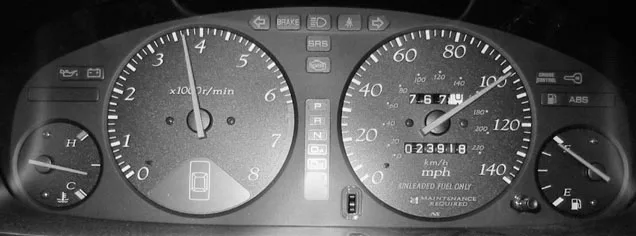
The system relies on three key components working together.
Below is a quick reference table for each part’s role.
| Component | Primary Function |
|---|---|
| Coolant temperature sensor | Detects coolant temperature, sends voltage to ECU |
| Thermostat | Controls coolant flow, opens at 190°F |
| Radiator | Dissipates heat, maintains coolant temperature |
Manufacturer specifications confirm the sensor activates at 230°F.
For detailed standards, see NHTSA warning light standards.
Always check the coolant level before assuming a sensor fault.
If the level is low, top it off and retest; this avoids unnecessary part replacement and keeps the system safe.
When a leak is present, replace the damaged hose or radiator seal before resetting the light.
If you need to tighten lug nuts safely during a related repair, follow proper procedures.
Step-by-Step Diagnosis – How to Pinpoint the Cause
- Verify coolant level and condition; low or dirty coolant triggers the light.
- Inspect for leaks around hoses, radiator, and water pump; use a flashlight and pressure test if needed.
- Connect an OBD‑II scanner; read any stored DTCs for the coolant sensor circuit.
- Test the coolant temperature sensor with a multimeter; resistance should be 2.5, 3.5 kΩ at 20 °C.
- Check thermostat operation; if stuck closed, the engine will overheat quickly.
Each step narrows the root cause and prevents unnecessary replacements.
Mistakes to Avoid & Safety – What Not to Do and Legal Rules
- Never ignore the warning; continued driving can cause catastrophic engine damage.
- Do not add water alone to the system; always use the correct 50/50 ethylene‑glycol mix.
- Avoid using aftermarket coolants that do not meet the vehicle’s warranty requirements.
- If you top up coolant, dispose of the old fluid per EPA guidelines; improper disposal harms the environment.
- When checking the thermostat, let the engine cool completely to avoid burns.
- If you’re unsure about any step, stop and call a professional; DIY mistakes can void warranty coverage.
For guidance on the correct fluid level in a 2014 Ford Focus, see correct fluid level.
Final Verdict & FAQs – When to Call a Pro and Common Questions
The coolant temperature light is a clear safety cue; address it promptly to protect the engine.
If the sensor tests faulty, replace it; if the thermostat is stuck, replace it as well.
For most drivers, a sensor replacement costs $120, $250 and takes under an hour.
When in doubt, have a certified mechanic perform the final check; it saves time and prevents damage.
Why does the light stay on after I add coolant?
The light may stay on if the sensor still reads high because the coolant hasn’t circulated or the thermostat is stuck. Allow the engine to run a few minutes, then recheck the level and condition. If the light remains on, the sensor or thermostat likely needs replacement.
Can I drive with the coolant temperature light on?
Driving with the light on is risky; the engine can quickly reach temperatures that cause permanent damage. Pull over safely, turn off the engine, and have the vehicle inspected before continuing.
How often should I replace the coolant temperature sensor?
Sensors typically last 5, 7 years or 60,000, 80,000 miles. If you notice intermittent warnings or gauge errors, replace the sensor regardless of mileage.
What are the legal consequences of ignoring coolant warnings?
Ignoring warnings can lead to warranty denial and may violate state emissions standards if the engine overheats. Proper maintenance keeps you compliant and protects your investment.
