
You might be asking why is the abs light on after a quick stop. The amber lamp signals that the anti‑lock braking system is not functioning as expected. Ignoring it can leave you without the safety net of controlled braking on slippery roads.
A quick check can often pinpoint the cause before a costly repair.
Per FMVSS 105, the ABS warning lamp must stay on for at least two seconds after ignition to confirm system readiness. Manufacturer specs for most 2022‑2026 models list a wheel speed sensor resistance range of 1.0 to 2.0 kΩ. As of 2026, most new vehicles still use the same ABS lamp protocol.
If the lamp stays on longer, the system has detected a fault and needs diagnosis. Let’s start with the simplest check: the brake fluid level.
Why Is the Abs Light On
The ABS light on means the anti‑lock system is disabled. Low brake fluid often triggers the lamp. A bad wheel speed sensor can also cause it.
A failed ABS control module will light it too. The system stays off until the fault is cleared.
How ABS Works & Why Light On
The ABS system keeps wheels from locking during hard braking. It uses a control module, hydraulic pump, and wheel speed sensors to modulate brake pressure. Per FMVSS 105, the ABS warning lamp must illuminate when the system is disabled.
If any component fails, the lamp stays on until the issue is resolved.
ABS components and their roles
- ABS control module, processes sensor data and commands valves
- Hydraulic pump/accumulator, stores pressure for rapid release
- Wheel speed sensors, monitor each wheel’s rotation speed
- Brake fluid reservoir, supplies fluid to the system
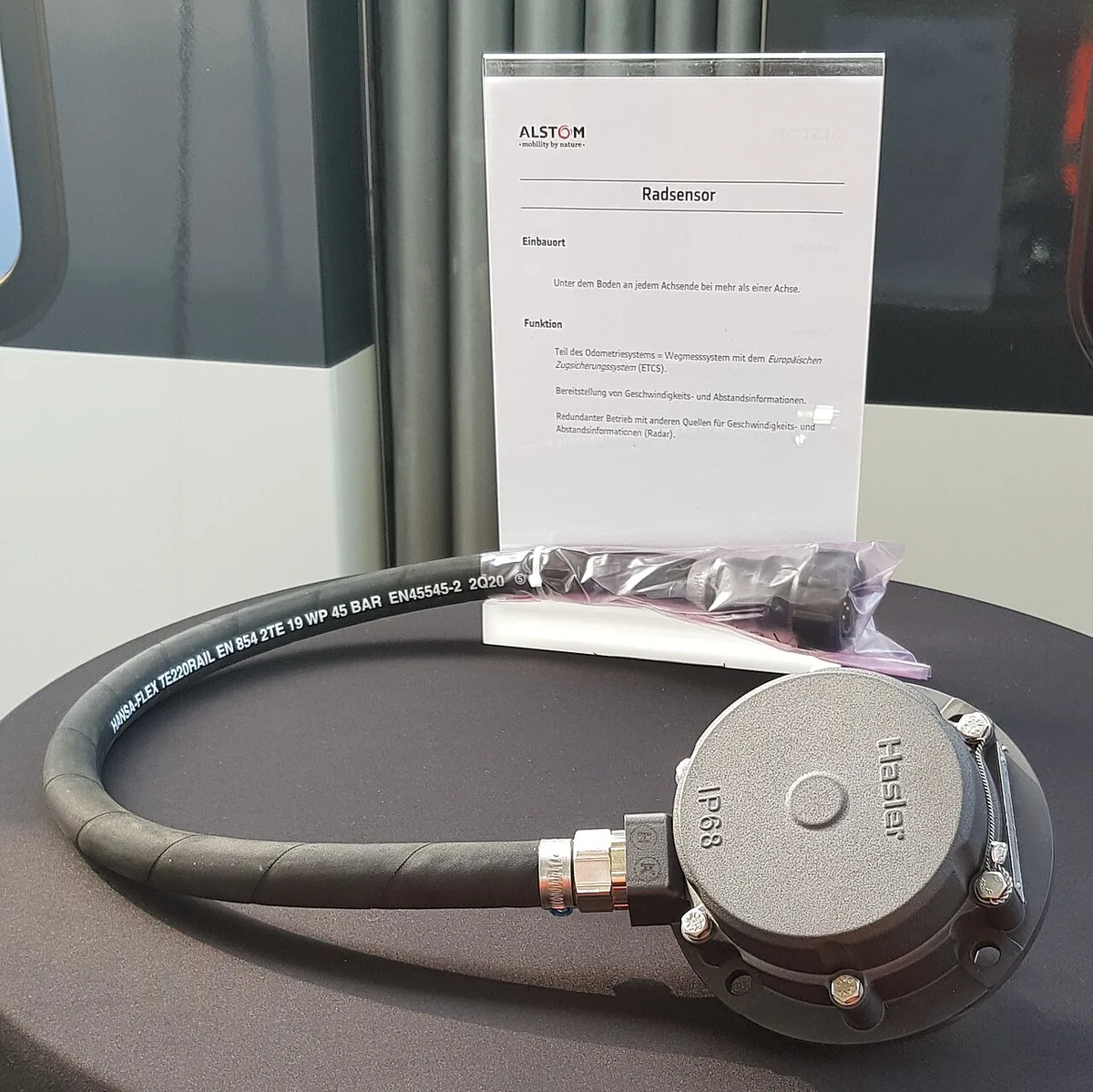
Image source: Wikimedia Commons / Bigbug21 (CC BY-SA)
Typical triggers for the warning lamp
- Low brake fluid level or contaminated fluid
- Dirty or damaged wheel speed sensor
- ABS pump or accumulator leak
- Recent brake work without recalibration
- Battery disconnect causing system reset
Step-by-Step Diagnostic Workflow
Start with the basics and work through each step. Keep a notebook of what you find.
1. Verify brake fluid level
Check the brake fluid reservoir. If low, top up with the correct fluid type for your vehicle. Use the correct fluid type to avoid contamination.
If fluid is dark or milky, flush the system.
2. Scan OBD‑II for ABS codes
Connect an OBD‑II scanner and read any stored codes. Scan for ABS codes to pinpoint the faulty component. Clear the codes after repairs and retest.
3. Inspect wheel speed sensors
Remove each sensor and look for debris, corrosion, or damage. Clean the sensor tip with a dry cloth. If a sensor is faulty, replace it and tighten the lug nuts to spec.
Tighten the lug nuts using an impact wrench for proper torque.
4. Test ABS control module
If sensors and fluid are fine, test the ABS control module’s communication. A multimeter can check voltage at the module pins. If the module fails, you may need to replace it; ensure the car’s recovery point is secure before lifting.
Secure the recovery point before lifting the vehicle.
5. Clear codes and road‑test
After any repairs, clear all DTCs and drive the car under varied conditions. Watch the ABS lamp; it should stay off. If it returns, repeat the scan and address the new code.
| Item | Purpose |
|---|---|
| OBD‑II scanner | Read and clear ABS diagnostic codes |
| Brake fluid reservoir | Check and top up fluid level |
| Wheel speed sensor | Test and replace if faulty |
| Socket set | Remove sensor and lug nuts |
| Safety glasses | Protect eyes during work |
Common Mistakes & Safety Warnings
- Skipping the OBD‑II scan is a common mistake; use a scanner to read codes. Use a scanner to avoid guessing.
- Ignoring sensor debris can cause false codes; clean before reinstalling.
- Working on ABS without proper tools can damage the pump; use a torque wrench for bolts.
- Never drive with the ABS light on in icy conditions; the system is disabled.
- Always wear seat belts and follow the manufacturer’s service interval.
Frequently Asked Questions
Why does the ABS light flash?
A flashing ABS light usually indicates a wheel speed sensor issue. It may also signal a severe hydraulic fault. Stop safely and scan for codes.
Can I drive with the ABS light on?
You can drive, but braking performance is reduced, especially on slippery surfaces. Keep speeds low and avoid sudden stops until repaired.
How often should I check brake fluid?
Check brake fluid every 6 months or 12,000 miles, whichever comes first. Look for proper level and clean fluid.
What should I do if the ABS light stays on after a battery replacement?
Reset the system by cycling the ignition three times. If the light persists, scan for codes and address any faults. Battery resets can trigger false warnings.
If after following the diagnostic steps the ABS warning lamp still stays on, it is safest to have a qualified technician perform a full ABS system inspection. Persistent codes often point to a failing control module or pump, components that require specialized tools and knowledge to replace. Regular brake fluid checks and keeping sensors clean can prevent many of these issues, keeping your vehicle safe on the road.
If you need a reliable scan tool, see our guide on how to buy an OBD‑II scanner. For proper brake fluid work, check our article on adding transmission fluid to a 2014 Ford Focus. When replacing components, our piece on whether more expensive tie rod ends are worth it can help.
Tightening lug nuts correctly is covered in our impact wrench guide. And if you ever need to lift the car, our article on what a car recovery point is will keep you safe.
Common Mistakes & Safety Warnings
Many drivers miss simple checks before assuming a costly ABS repair. Skipping the OBD‑II scan often leads to unnecessary part replacements. Use a scanner to read codes.
Using the wrong brake fluid type can damage seals and trigger false codes. Forget to top up brake fluid and air can enter the system. Not tightening lug nuts to spec can cause sensor misalignment.
Skipping the post‑repair road test leaves hidden faults unresolved.
Never drive with the ABS lamp on in wet or icy conditions. The system is disabled. Always wear seat belts and keep hands on the wheel.
Disconnect the battery only when the vehicle is stationary and the ignition is off. Use a torque wrench when tightening bolts to avoid over‑torquing the pump. Consult the service manual before replacing any ABS component.
For the official standard, see FMVSS 105 on the NHTSA website.
