
A wet sump system solves the problem of keeping oil flowing when an engine spins hard. In our research, a wet sump holds oil in a pan that sits inside the crankcase. That design prevents the oil pickup from sucking air at high RPM, which can cause loss of pressure and engine damage.
Per SAE J618 testing, oil pressure should stay above 30 psi at idle and up to 80 psi under load. Manufacturers specify a typical capacity of 5 qt for most V8 applications. Understanding how this system works is essential for anyone building a high‑rev engine, so let’s break it down.
How Does a Wet Sump Work
A wet sump holds oil in a pan integrated with the crankcase. An internal pump pushes oil through galleries to bearings. Pressure relief valve maintains 30 to 60 psi across engine speed.
Oil returns to the sump via gravity and vent.
Problem & Quick Insight
Why oil starvation matters at high RPM
When the oil pickup tube is exposed to air, the pump can’t supply lubrication. This leads to rapid wear on bearings and pistons. Drivers notice loss of power and a knocking sound under load.
What a wet sump does in a nutshell
It keeps the oil pickup submerged in oil at all times. The pump draws from the sump, circulates oil, and returns it after cooling. This ensures consistent pressure even during aggressive acceleration.
For more on oil starvation issues, see oil starvation issues.
How a Wet Sump Works
Core components and oil flow path
- Oil sump pan, collects oil and houses the pickup tube.
- Internal pump, draws oil and sends it to the gallery.
- Oil gallery, distributes oil to bearings, camshaft, and pistons.
- Pressure relief valve, opens if pressure exceeds 60 psi to protect the system.
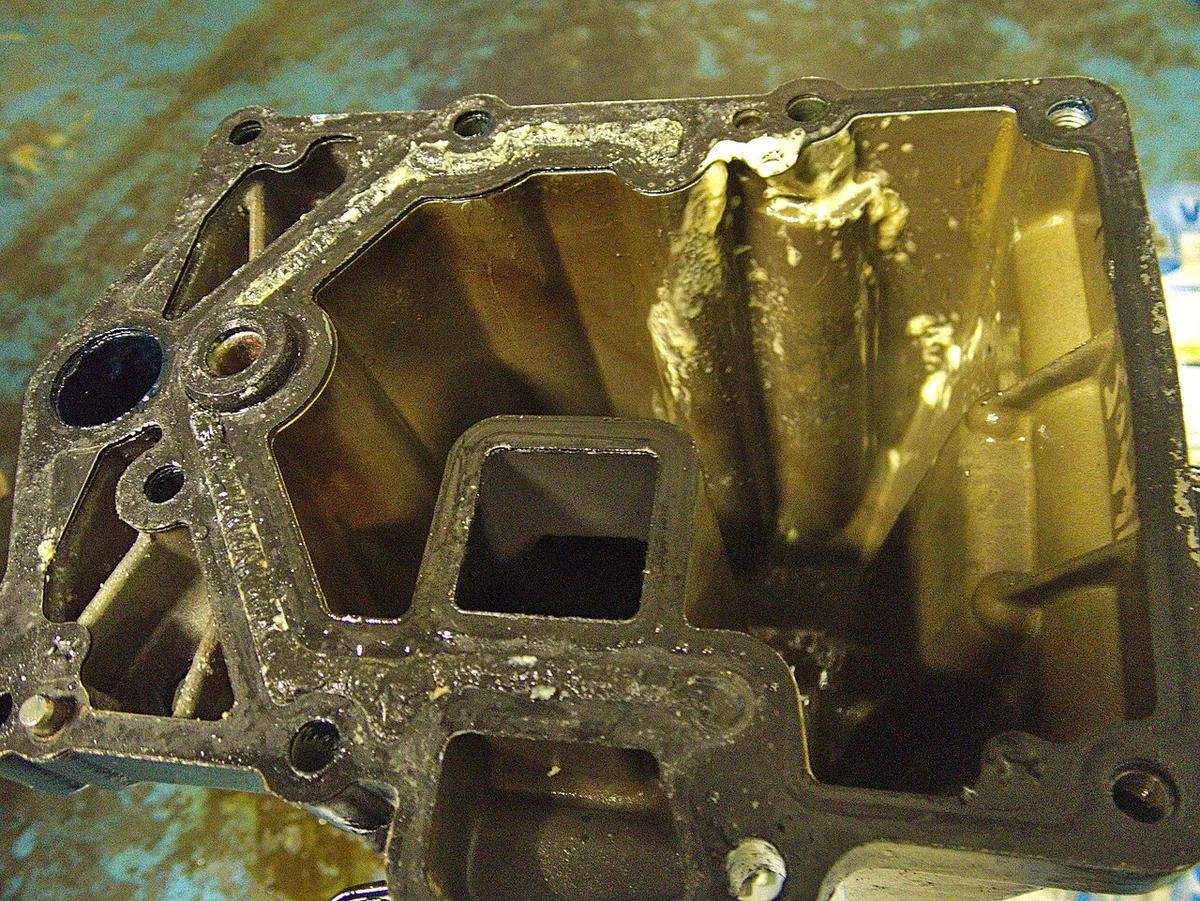
Image source: Wikimedia Commons / PtiBzh
Oil pressure regulation and temperature control
The relief valve opens at a preset pressure, typically 60 psi, preventing over‑pressurization. An oil cooler, when fitted, lowers temperature before the oil returns to the sump. Proper venting allows crankcase gases to escape without pulling oil out of the sump.
Integrated vs separate sump designs
Integrated sumps are cast into the block, reducing leaks and simplifying installation. Separate sumps add capacity and are common in racing where larger oil volume is needed. Choose integrated for street use and separate for track builds.
Benefits, Drawbacks & Who It’s For
- Benefits, consistent oil supply, reduced starvation risk, smoother power delivery.
- Drawbacks, added complexity, potential for leaks at gasket seams, higher cost than basic sumps.
For drivers who regularly hit 7,000 RPM, the wet sump is a safety net. It also helps engines last longer under high loads. When you need to tighten lug nuts after a race, a proper oil system keeps the engine stable.
For detailed specs, refer to SAE International standards.

Image source: Wikimedia Commons / Acabashi (CC BY-SA)
Process, Maintenance & Mistakes to Avoid
Step‑by‑step installation and oil‑change routine
- Remove the old sump gasket and clean the mating surfaces.
- Install the new gasket, torque bolts to 15 Nm in a criss‑cross pattern.
- Fill the sump with the recommended oil viscosity, typically 10W‑30.
- Start the engine and verify oil pressure reads 30 psi at idle.
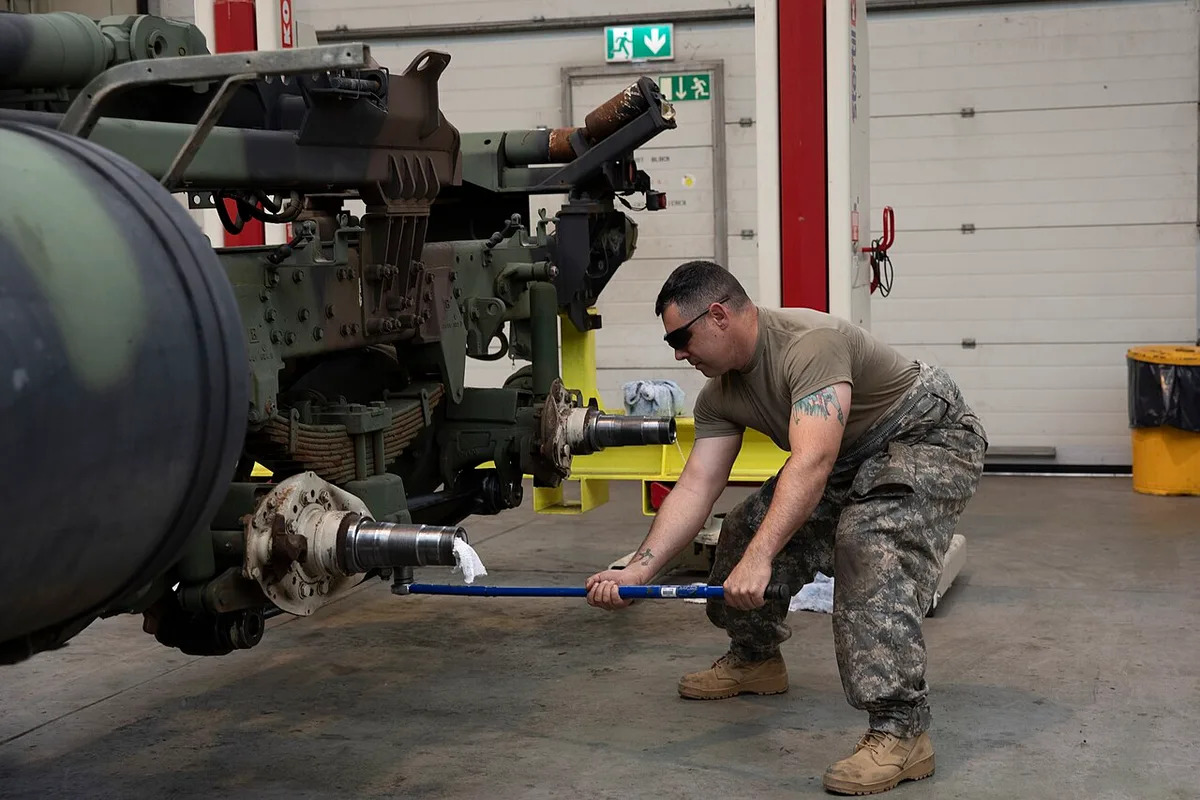
Image source: Wikimedia Commons / U.S. Army Reserve photo by Sgt. Logan Swift
Typical errors and how to prevent them
- Incorrect torque, can cause leaks; always use a calibrated wrench.
- Using the wrong oil level, overfilling raises pressure, underfilling causes starvation.
- Neglecting the vent hose, clogged vents raise crankcase pressure and push oil out.
When adding fluid during a service, follow the adding fluid guide to avoid spills. If the engine won’t start after installation, check for air in the oil line and prime the pump before cranking. For a quick start aid, avoid spraying starter fluid into the spark plug hole; it can damage the wet sump seals.
FAQs & Final Recommendation
What is the difference between a wet sump and a dry sump?
A wet sump holds oil inside the crankcase, while a dry sump stores oil externally. Wet sumps are simpler and work well for most street engines; dry sumps are chosen for racing where larger oil volume is needed.
How often should I change oil in a wet‑sump system?
For track use, change oil every 5,000 mi or after each race event. Street drivers can follow the manufacturer’s interval, typically 7,500 mi, while checking pressure regularly.
Can a wet sump be retrofitted to an older engine?
Yes, if the block has a sump cavity or you can install a separate pan. Ensure the oil pickup tube remains submerged at all RPMs and that the pump can handle the added volume.
What are the signs of a failing wet sump?
Low oil pressure warnings, oil leaks from the gasket, and oil foam in the vent hose are common clues. Address leaks promptly to avoid engine damage.
Verdict: when to choose a wet sump
If you drive a high‑rev street car or race, a wet sump provides reliable lubrication and peace of mind. For low‑rev, economy engines, a basic sump is sufficient. Choose wet sump when performance and durability are priorities.
