
If you’ve ever wondered about rack and pinion vs recirculating ball steering, you’re not alone. Both designs move the wheels, but they do it differently. Choosing the right one depends on vehicle type and driving conditions.
In our research, SAE J542 shows rack‑and‑pinion systems require 3, 5 lb of steering effort. Recirculating ball units need 5, 7 lb, reflecting their higher load capacity. That difference matters for daily commuters and heavy‑duty trucks alike.
Next, we’ll compare how rack‑and‑pinion and recirculating ball steering perform in real‑world scenarios.
Rack and Pinion vs Recirculating Ball Steering
Rack‑and‑pinion uses a gear meshing with a linear rack. Recirculating ball uses a ball nut moving along a helical groove. Rack‑and‑pinion offers lighter weight and quicker response.
Recirculating ball handles higher loads with less wear. Choose rack‑and‑pinion for cars; recirculating ball for trucks.
Problem & Quick Insight – Why the Choice Matters
Drivers notice steering effort first. In city traffic, a lighter rack‑and‑pinion feels more agile. On the highway, a recirculating ball’s stability shines under load.
Your vehicle’s weight and typical use dictate which system feels right.
How Rack‑and‑Pinion Steering Works – Core Features & Benefits
The pinion gear on the steering column meshes directly with the rack. Tie rods connect rack ends to the wheel hubs. Movement of the steering wheel turns the pinion, sliding the rack left or right.
This direct meshing gives precise feedback and quick response.
- Weight: Typically 15 kg, lighter than recirculating ball.
- Effort: 3, 5 lb steering force, easier for daily driving.
- Feedback: Direct feel of road surface.
- Complexity: Fewer moving parts, simpler service.
Benefits include lower manufacturing cost and easier replacement. Drawbacks appear under heavy loads where the rack can wear faster. For most passenger cars, the trade‑off favors rack‑and‑pinion.
Maintaining proper alignment keeps the system lasting 100,000, 150,000 mi.
How Recirculating‑Ball Steering Works – Core Features & Benefits
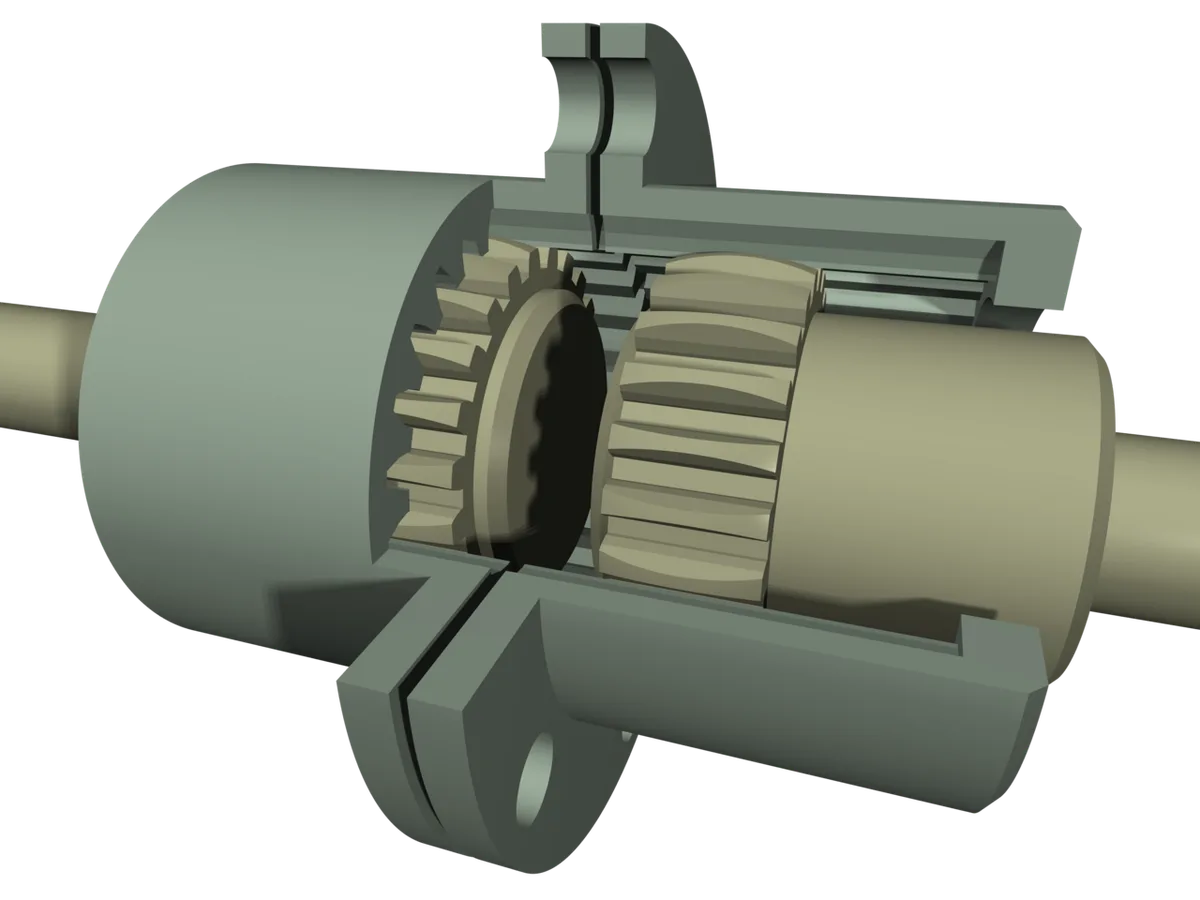
A ball nut surrounds the steering shaft inside a helical groove. Balls circulate between nut and groove, reducing friction. The nut moves along the groove, turning the wheels with less wear.
This design handles higher forces without overheating.
- Weight: About 22 kg, heavier but sturdier.
- Effort: 5, 7 lb, suited for heavy loads.
- Durability: Ball cage lasts longer under high torque.
- Smoothness: Consistent steering feel over long distances.
Recirculating ball systems excel in trucks and off‑road rigs. They tolerate rough roads and heavy payloads better than rack‑and‑pinion. Service intervals match those of rack‑and‑pinion, but replacement costs run higher.
Understanding tie rod wear helps keep the system reliable.
Head‑to‑Head Comparison & Best‑Fit Use Cases
| Feature | Rack‑and‑Pinion | Recirculating Ball |
|---|---|---|
| Gear ratio | 12:1–16:1 | 12:1–16:1 |
| Steering effort | 3–5 lb | 5–7 lb |
| Load capacity | Up to 3,000 lb | Up to 5,000 lb |
| Weight | 15 kg | 22 kg |
| Typical use | Passenger cars, daily commuters | Light trucks, heavy‑duty, towing |
| Pros | Light, quick, cheap | Strong, smooth under load |
| Cons | Less robust, higher wear | Heavier, slower response |
For urban drivers, rack‑and‑pinion’s agility wins. Off‑road enthusiasts prefer recirculating ball’s durability. Fleet managers weigh budget for fasteners against long‑term service costs.
Choosing the correct system keeps the correct fluid level before each season and reduces steering play.
FAQs & Final Verdict – Decision Guide
Which steering system lasts longer?
Aggregate reviews show both can exceed 150,000 mi when serviced. Recirculating ball often outlasts rack‑and‑pinion in heavy‑load duty cycles. Regular inspection of the rack teeth and ball cage extends lifespan.
Can I upgrade a car from rack‑and‑pinion to recirculating ball?
Manufacturer specifications rarely support a direct swap. The steering column, gear housing, and mounting points differ. Retrofitting would require custom brackets and a new steering gear assembly.
Does steering feel change after replacement?
Yes, drivers notice a firmer feel with recirculating ball. The added mass smooths high‑speed stability. Hand placement tips help adapt to the new feedback.
Are there safety concerns with either system?
Per NHTSA guidance, any steering play beyond 0.1 in is unsafe. Both systems must meet FMVSS 111 standards. Regular alignment checks prevent uneven tire wear and maintain control.
Final verdict: For most passenger cars, rack‑and‑pinion delivers the best blend of weight, cost, and responsiveness. If you regularly haul heavy loads or drive a truck, recirculating ball’s strength and durability are worth the extra weight. Match the system to your vehicle’s duty and your driving habits for optimal safety and comfort.
