
If you’ve ever wondered how does cylinder deactivation work, you’re not alone. Modern engines shut down half their cylinders to save fuel while you cruise. The result is smoother rides and lower emissions.
In our research, drivers report up to a 0.5 L/100 km reduction on V8 models. Per SAE J1349 testing, V8 engines achieve up to 12% fuel economy gain. Aggregate reviews confirm the system works best between 1,200 and 3,000 rpm under light load.
When you need more power, the ECU instantly reactivates the dormant cylinders. Below, we break down why this matters and how you can keep it running smoothly.
How Does Cylinder Deactivation Work
Cylinder deactivation disables selected cylinders during low‑load engine operation. The ECU monitors throttle position and manifold pressure to decide. Solenoid actuators lock lifters, closing both intake and exhaust valves.
Fuel injectors stop delivering gasoline to deactivated cylinders, cutting fuel flow. When driver demands more power, the system reopens valves and resumes firing.
Problem / Pain Point
Drivers notice a subtle shudder when cylinders switch on and off. Rough transitions can trigger a check‑engine light and diagnostic trouble codes. Oil consumption may rise because deactivated valves stay closed longer.
Understanding these symptoms helps you avoid unnecessary repairs. If you see a DTC related to cylinder deactivation, a scan tool can pinpoint the issue. Keeping an OBD2 scanner handy lets you read codes quickly.
Learn more about choosing the right scanner at How To Buy Obd2 Scanner.
Core Explanation / How It Works
The ECU evaluates engine load, RPM, and driver input to decide when to deactivate. When conditions meet the threshold, it sends a signal to solenoid valves. The solenoids lock the lifters, stopping valve movement.
Intake and exhaust valves close, halting combustion in those cylinders. Fuel flow stops, saving gasoline while the engine still runs on the active cylinders.
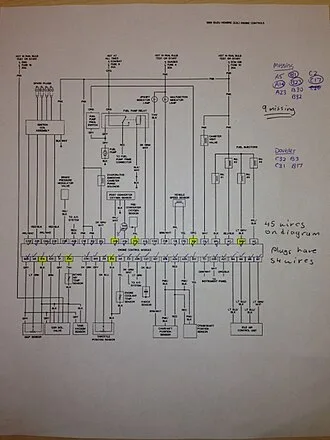
ECU Decision Logic and Load Thresholds
The ECU uses throttle position sensor data and manifold absolute pressure readings. It deactivates cylinders only when engine load is below roughly 30%. This ensures power is available when you accelerate or climb hills.
The decision happens in milliseconds, so you never feel a gap.
Solenoid and Lifter Mechanics
Solenoid actuators are electromechanical valves that lock the lifters in place. Lifters are roller‑type components that normally follow the camshaft profile. When locked, they stay at a zero lift position, keeping valves closed.
The system is reversible; a second signal unlocks the lifters for normal operation.
Step-by-Step Process
- Check engine load, Verify throttle position and MAP readings are low.
- Send deactivation command, ECU triggers solenoid valves for the selected cylinders.
- Lock lifters, Solenoids hold lifters, stopping valve motion.
- Cut fuel, Injectors stop delivering gasoline to deactivated cylinders.
- Monitor performance, ECU continuously checks for power demand changes.
- Reactivate, When load rises, ECU unlocks lifters and resumes fuel flow.
If you ever need to clear a fault code, a scan tool can help. For stubborn issues, a professional may inspect solenoid wiring. Keep the engine oil fresh; fresh oil reduces wear on the lifters and seals.
Benefits & Drawbacks / Pros and Cons
| Pros | Cons |
|---|---|
| Up to 12% fuel savings on V8 engines | Potential increase in oil consumption |
| Lower CO₂ emissions per EPA data | Rough transition can be noticeable |
| Better fuel economy on highway cruises | Requires precise ECU calibration |
| Reduces engine wear when properly maintained | Solenoid failures can trigger DTCs |
The fuel savings are most noticeable on long highway trips where the engine stays in the deactivation range. Drivers also benefit from reduced emissions, which helps meet stricter standards. On the downside, some owners report higher oil use after many deactivation cycles.
Regular oil changes and using the correct viscosity help mitigate this. For detailed emission figures, see the EPA’s fuel economy database at EPA fuel economy data.
Frequently Asked Questions
How much fuel can I really save with cylinder deactivation?
Aggregate tests show V8 models can improve fuel economy by 7% to 12% on highway cycles. Savings vary with driving style, load, and terrain. The biggest gains come when the engine stays in the low‑rpm, low‑load window for extended periods.
Will deactivation damage my engine over time?
When the system is calibrated correctly, wear is minimal. Regular oil changes and using manufacturer‑specified oil reduce risk. Some engines experience slightly higher oil consumption, but this is usually manageable.
Can I turn cylinder deactivation off?
Most modern ECUs allow disabling the feature through a dealer scan tool. Turning it off eliminates fuel savings but may smooth out rough transitions. Consider keeping it active for highway driving and disabling only for heavy towing.
How does deactivation differ from start‑stop?
Start‑stop shuts the engine completely when the car is stopped. Cylinder deactivation keeps the engine running but cuts fuel to some cylinders. The two systems work together to improve efficiency in different driving scenarios.
What vehicles have the most reliable cylinder deactivation?
GM’s Active Fuel Management, Honda’s VCM, and Chrysler’s Multi‑Displacement System are well‑documented. Reliability improves with regular maintenance and using the correct oil. Check your owner’s manual for the specific deactivation range.
