
When you compare a hybrid vs electric car, the choice hinges on how far you drive and where you can charge. Our research shows real owners often overlook simple calculations that reveal the true cost. This guide walks you through the numbers, the driving feel, and the practical steps to decide.
According to EPA Fuel Economy Guide, a 2024 Toyota Prius averages 52 mpg while a Tesla Model 3 delivers 124 MPGe. Those figures translate to about $0.04 per mile for electric versus $0.15 per mile for gasoline. Below, we break down how each powertrain works and who benefits most.
Hybrid vs Electric Car
Hybrid vs electric car: one uses both gas and electric, the other runs on battery only. Hybrids switch automatically; EVs need charging. Hybrids cost less up front; EVs save on fuel.
Choose based on daily miles and charging access.
Hybrid Cars: How They Work and What You Gain
A hybrid car combines an internal combustion engine with an electric motor and battery. The motor assists the engine, recovers braking energy, and can run alone at low speeds. This dual system reduces fuel use without requiring charging.
There are full hybrids like the Toyota Prius and plug‑in hybrids such as the Ford F‑150 Hybrid. Full hybrids never plug in; plug‑in hybrids can drive short distances on electricity only. Plug‑in models offer tax credits up to $4,500 as of 2026.
Owners see fuel savings of roughly 30 percent compared with gasoline only. Maintenance drops because the engine runs cooler and oil changes are less frequent. Hybrid drivers also gain HOV lane access in many states.
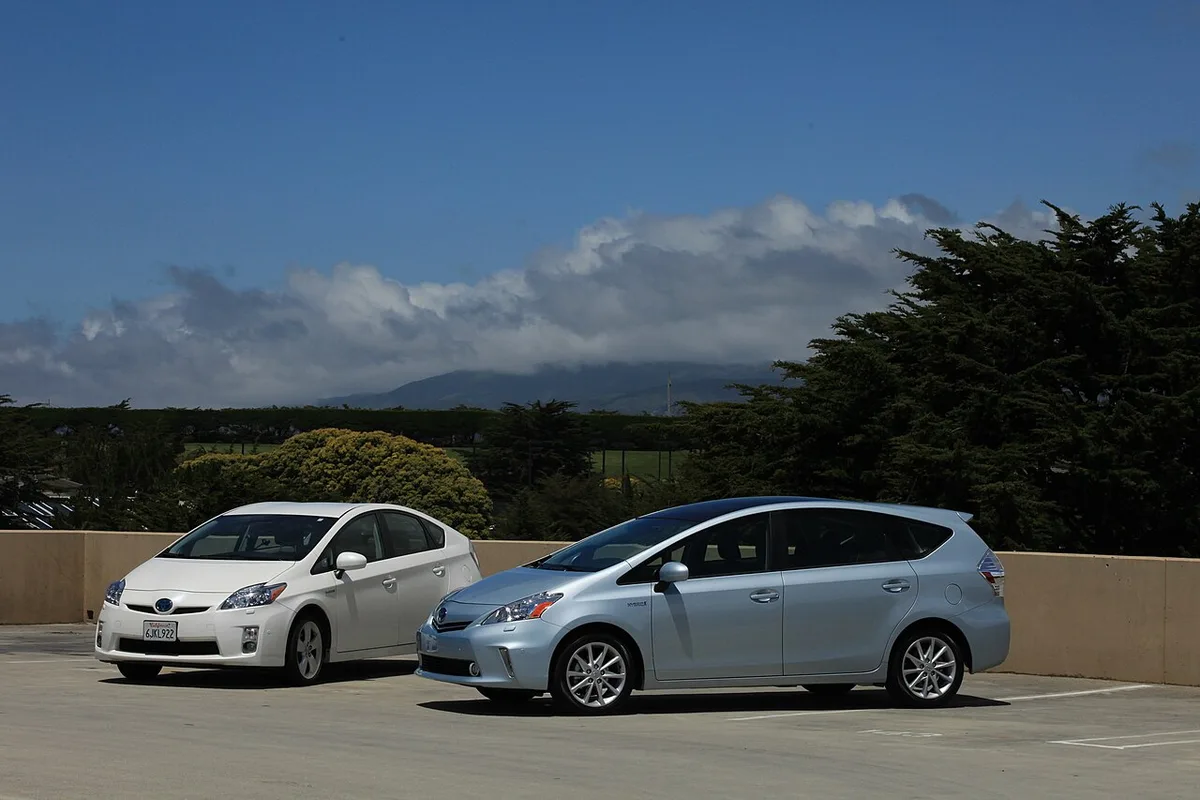
Image source: Wikimedia Commons / Robert Scoble from Half Moon Bay, USA (CC BY)
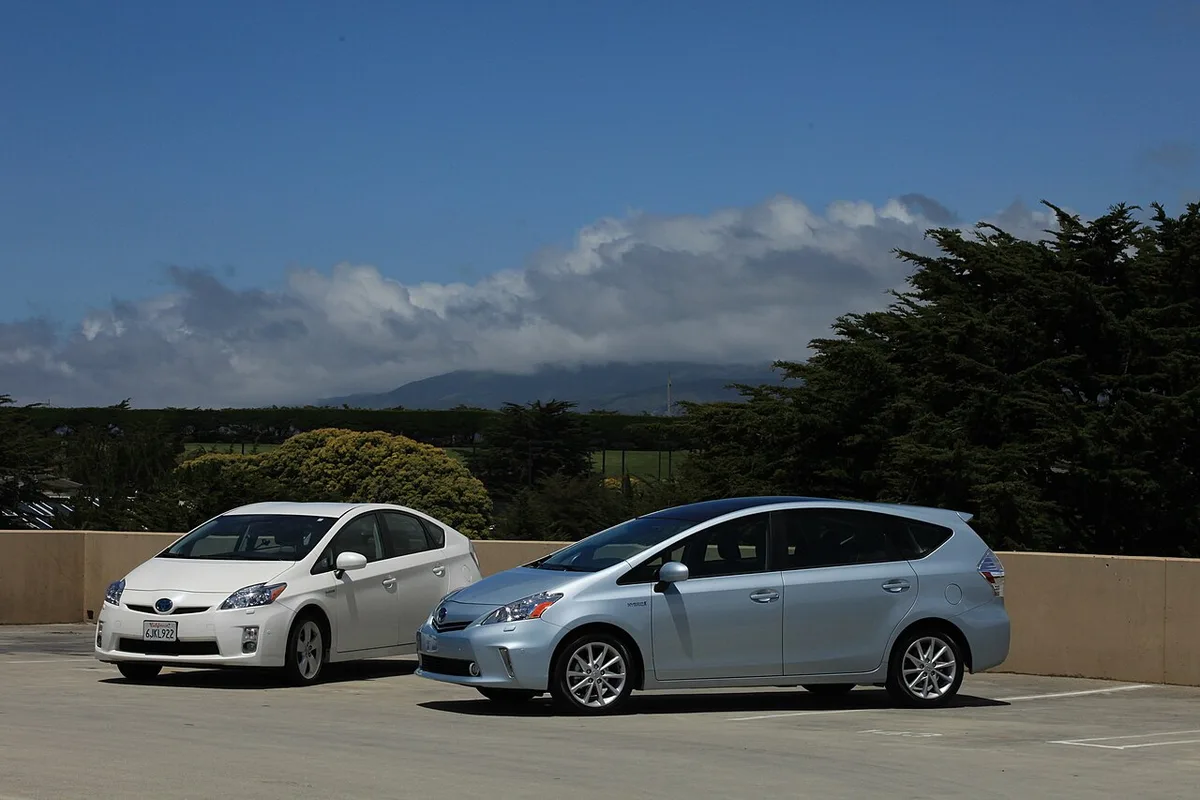
Image source: Wikimedia Commons / Robert Scoble from Half Moon Bay, USA (CC BY)
- Electric‑only range: 0‑30 miles for plug‑in models
- Fuel economy: 40‑60 mpg equivalent depending on trim
- Battery warranty: 8 years/100,000 miles
- Upfront cost: $28,000‑$55,000 before incentives
For deeper powertrain details, see hybrid wiper performance. For official fuel economy data, visit EPA Fuel Economy Guide.
Electric Cars: Battery, Range, and Charging
An electric car runs solely on a large battery pack and an electric motor. No gasoline engine means zero tailpipe emissions and instant torque. Charging can be done at home or public stations, with fast chargers adding up to 200 miles in 30 minutes.
The Tesla Model 3 offers an EPA‑rated 350‑mile range, while the Chevrolet Bolt provides 260 miles. Home Level‑2 charging adds about 25 miles per hour, making overnight charging practical. Public DC fast chargers, such as the CCS standard, can restore 80 percent in roughly 30 minutes.
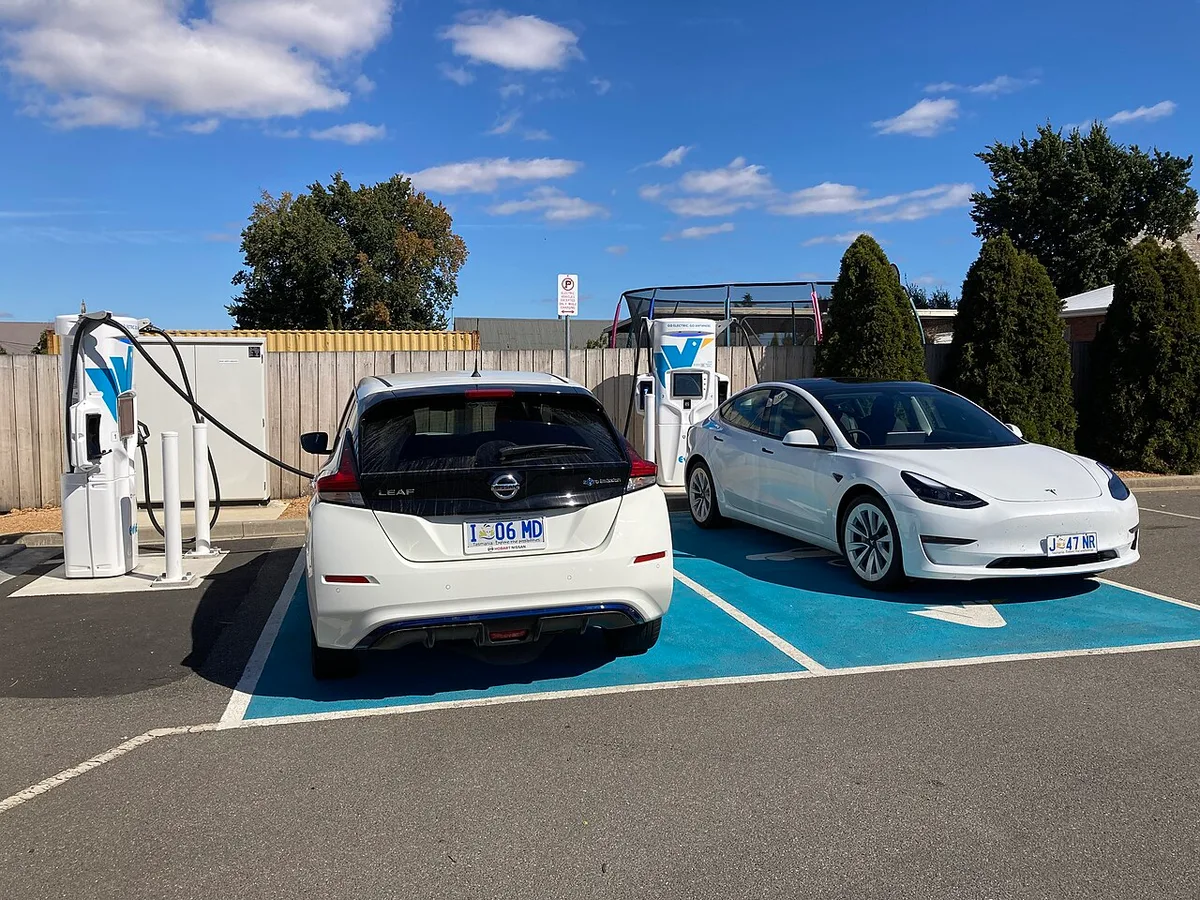
Image source: Wikimedia Commons / Chuq (CC BY-SA)
- Battery capacity: 60‑80 kWh typical for midsize EVs
- MPGe rating: 110‑130 MPGe for most 2024 models
- Charging time (240 V): 6‑8 hours for full charge
- Federal tax credit: up to $7,500 for qualifying models
If you plan long road trips, a reliable OBD2 scanner helps monitor battery health. Check out a guide to reliable OBD2 scanner for recommendations. For technical data on battery technology, see the DOE Vehicle Technologies Office.
Head‑to‑Head Comparison & Best‑For Guide
| Feature | Hybrid (e.g., Prius) | Electric (e.g., Model 3) |
|---|---|---|
| Fuel cost per mile | ~$0.15 (gasoline) | ~$0.04 (electric) |
| Upfront MSRP | $28,000‑$55,000 | $46,000‑$60,000 |
| Electric‑only range | 0‑30 miles | 250‑350 miles |
| Charging required | No | Yes, home or public |
| HOV lane access | Yes (in many states) | Yes (in many states) |
| Maintenance frequency | Oil change every 5k‑7k mi | Battery check every 12‑18 months |
Hybrids shine for drivers who cannot charge daily or travel beyond 100 miles regularly. Electric cars excel for commuters with home charging and trips under 300 miles. If you value lower fuel cost and can charge nightly, electric is likely the better fit.
If you need flexibility without plugging, hybrid is the safer choice.
For tips on handling long trips, see proper steering hand placement to stay comfortable behind the wheel.
FAQs About Hybrid and Electric Vehicles
How long does a hybrid battery last?
Hybrid batteries typically last 8‑10 years or 100,000 miles, and manufacturers cover them under warranty.
Do electric cars lose range in cold weather?
Cold temperatures can reduce electric range by 15‑30 percent, but preconditioning the cabin while plugged in mitigates the loss.
Can I charge an electric car with a standard outlet?
Standard 120 V outlets provide very slow charging; a Level‑2 charger is recommended for daily use.
Are there tax incentives for hybrid cars in 2026?
Plug‑in hybrids qualify for up to $4,500 federal credit; full hybrids generally do not qualify.
What happens to old EV batteries?
Most manufacturers recycle or repurpose batteries for stationary storage, and regulations require proper disposal to protect the environment.
