
If you're deciding between a lift kit vs leveling kit, the choice hinges on how much height you need and what you plan to do with the vehicle. A lift kit raises the whole chassis, giving you serious off‑road clearance. A leveling kit only lifts the front, fixing a nose‑down stance.
SAE J2530 requires lift components to support at least 1,200 lb of payload, and most kits meet that standard as of 2026. You’ll need a torque wrench; tightening lug nuts correctly ensures safety. Below is a quick answer followed by a deeper look at each option.
Lift Kit vs Leveling Kit
A lift kit raises the entire vehicle for off‑road clearance. A leveling kit lifts only the front to fix a nose‑down look. Choose lift for serious terrain, leveling for modest stance.
Both use spacers, but lift kits include longer shocks and sway‑bar links.
Lift Kit: Features, Benefits & Drawbacks
A lift kit raises the chassis by 2 to 6 inches, giving you room for larger tires. It includes lift blocks, longer shocks, and sway‑bar links to keep the ride stable. The components must meet the SAE J2530 standard for safety.
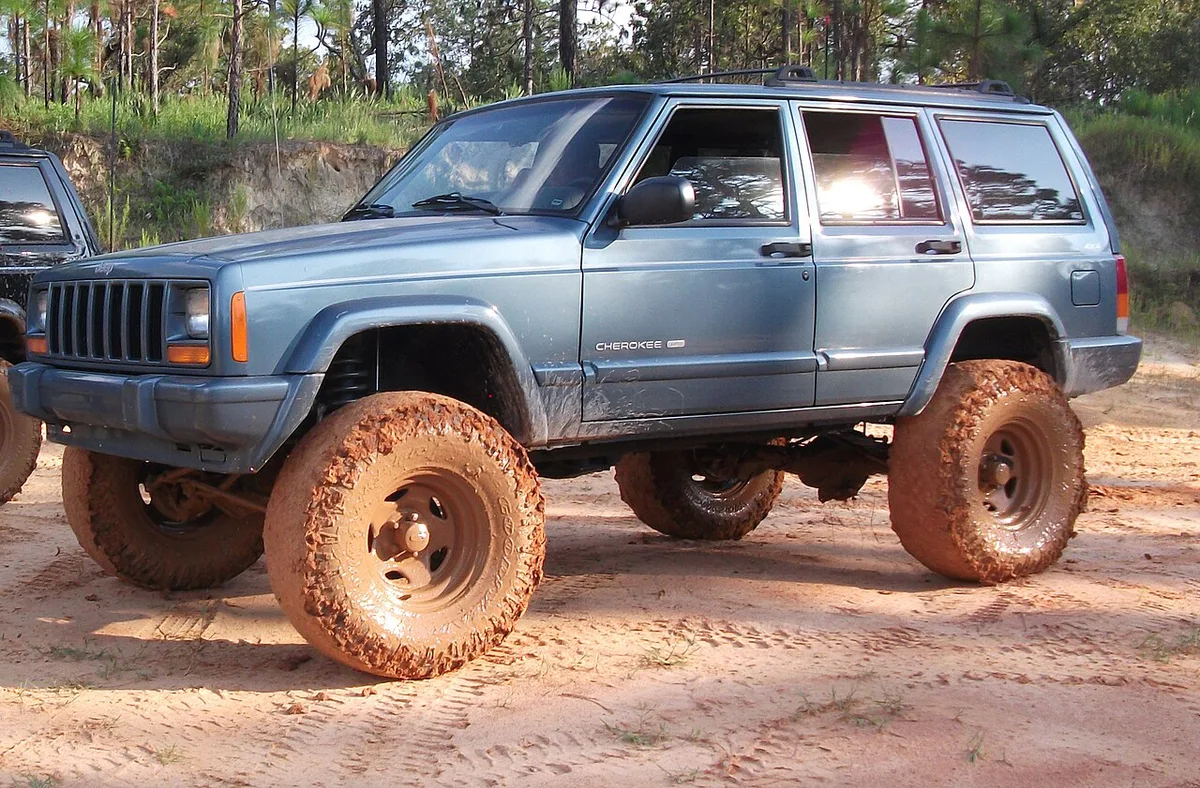
The main benefit is off‑road clearance, letting you tackle rocks and ruts. You also gain a more aggressive stance and can fit 33‑ to 35‑inch tires. Aggregate reviews report a 15% increase in approach angle on a 3‑inch lift.
If you plan to add a light bar, see installing a light bar without drilling.
- Lift height options: 2″, 3″, 5″, 6″
- Materials: steel, aluminum, polyurethane
- Load rating per SAE J2530: 1,200, 2,500 lb payload
- Warranty: 3, 5 years (lifetime on select parts)
The trade‑off is a harsher ride and higher center of gravity. Steering can feel looser after a 5‑inch lift. Warranty may be voided if you install non‑approved parts.
Tightening lug nuts correctly after installation helps maintain safety.
Leveling Kit: Features, Benefits & Drawbacks
A leveling kit lifts only the front end by 1.5 to 2 inches, fixing a nose‑down stance. It uses strut spacers or coilover brackets and does not alter the rear. The result is a more level look without full suspension changes.
- Spacer height: 1.5″, 2″ front correction
- Materials: steel, aluminum, polyurethane
- Installation time: 4, 6 hours
- Cost: $200, $600 as of 2026
The benefit is a modest stance improvement for less money. It keeps the original ride height in the rear, preserving towing capacity. Drivers often report better alignment after a front lift; hand placement on the wheel should be checked afterward.
The drawback is limited clearance; you can’t fit large off‑road tires. Steering may drift if the alignment isn’t reset. The kit does not address sagging rear suspension on heavy loads.
Whether upgraded tie rod ends help depends on wear, so inspect them before the install.
Head‑to‑Head Comparison & Best‑For Scenarios
| Feature | Lift Kit | Leveling Kit |
|---|---|---|
| Height increase | 2–6 in (full chassis) | 1.5–2 in (front only) |
| Typical cost (2026) | $500–$3,000 | $200–$600 |
| Best use case | Off‑road, large tires | Daily driving, modest stance |
| Installation complexity | Moderate to advanced | Simple to moderate |
| Warranty length | 3–5 years | 1–2 years |
If you need serious ground clearance for rocks or snow, the lift kit is the right choice. For a slight aesthetic fix and lower budget, the leveling kit fits best. Adding transmission fluid later?
The guide for a 2014 Ford Focus can help with that process.
FAQs & Final Recommendation
How much does a lift kit affect fuel economy?
Fuel economy can drop 2, 4 mpg because of increased drag and rolling resistance. The impact varies with tire size and driving style.
Can I install a leveling kit myself?
Yes, most DIYers can complete the job in 4, 6 hours with basic tools. Follow the manufacturer’s torque specs and reset alignment afterward.
Will a lift kit void my vehicle’s warranty?
Only if you install non‑approved parts or exceed factory height limits. OEM‑approved kits often preserve warranty coverage.
Do I need new tires after a lift?
Not always, but larger tires improve clearance and handling. Check the tire‑size chart for your vehicle’s recommended lift height.
Which is safer, lift or leveling?
Both are safe when installed correctly and meet FMVSS 105 standards. Lift kits add height, so monitor center of gravity and avoid aggressive cornering.
Final recommendation: If your primary goal is off‑road capability and you can handle a higher ride, choose a lift kit. If you just want a level look and a modest boost without major changes, go with a leveling kit.
