
The symptoms of a bad car battery can leave you stranded in the middle of nowhere.
You might face a slow crank or no crank at all when you need the car to start.
A healthy battery should maintain a resting voltage of 12.6 to 12.7 volts.
As of 2026, knowing these signs allows you to prevent costly repairs and safety issues.
Symptoms of a Bad Car Battery
A bad car battery shows slow cranking.
The engine may not start at all.
Lights dim when the engine runs off.
You need jump starts more often.
A rotten egg smell may fill the air.
The case can bulge or leak.
Why Getting Battery Symptoms Right Prevents Accidents and Extra Costs
Ignoring symptoms of a bad car battery leads to real problems.
The alternator works overtime and fails fast.
You risk fire from a damaged battery left in place.
Towing fees often run 75 to 200 dollars.
A new battery costs 120 to 300 dollars depending on type.
Wrong diagnosis wastes money on a bad starter instead.
Car recovery point helps if you get stuck.
Proper checks keep your electrical system safe and your wallet intact.
How to Spot the Signs of a Failing 12V Starting Battery
A failing 12V starting battery shows clear warning signs.
Slow crank happens when the engine turns over with effort.
No crank leaves you with a silent vehicle.
Dim headlights and interior lights appear when off.
Jump starts become frequent after short trips.
Rotten egg odor comes from venting gases.
The case bulges or leaks white crust from posts.
Dashboard battery light stays on during drive.
Cold mornings expose the weakness fastest.
Short trips and parasites drain it faster than expected.
Match these traits to your group size and CCA rating.
Early detection stops repeat problems.
Step-by-Step Testing Workflow: Voltage, Load, and Charging System Checks
Visual inspection comes first.
Check for cracks, leaks, or corrosion on terminals.
Remove surface charge by waiting 10 to 15 minutes.
Measure rested voltage with a digital multimeter.
Below 12.4 volts signals a weak battery.
Cranking voltage drops during an attempt.
Expect at least 9.6 volts at moderate temperature.
Load test follows for accurate capacity.
Compare results to labeled CCA and RC specs.
Charging voltage runs 13.5 to 14.7 volts at idle.
Low charging voltage points to alternator issues.
OBD2 scanner adds advanced diagnostics.
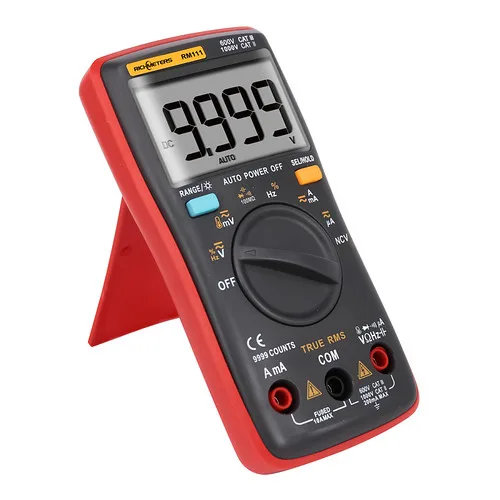
This sequence separates battery faults from alternator or starter problems.
Follow each step in order.
Results guide your next move.
Replacing the Battery vs. Diagnosing Alternator or Starter Issues
Battery problems differ from alternator failure in clear ways.
A bad battery shows low rested voltage and poor load test results.
Alternator issues keep voltage normal at rest but drop under load.
Starter problems click without turning the engine.
Replace the battery first if voltage tests bad.
Then check charging voltage and alternator output.
Starter replacement follows if voltage stays good.
Match group size and CCA to your vehicle model.
OEM or EFB types suit start-stop cars best.
Flooded batteries work for older models with lower demands.
AGM options handle deep cycles better.
Costs run 120 to 250 dollars for a replacement.
Professional diagnosis prevents unnecessary part swaps.
Choose based on your driving habits and climate.
Safety Rules, Expert Tips, and FAQs
Safety comes first with any battery work.
Sulfuric acid burns eyes and skin on contact.
Hydrogen gas explodes with sparks or wrong charger order.
Disconnect the negative cable first.
Wear gloves and eye protection at all times.
Dispose of lead-acid batteries through recycling programs.
The U.S. EPA requires proper handling of hazardous waste.
Lead-acid battery recycling follows strict rules.
Match CCA to your climate for cold starts.
Test before replacement to avoid overcharging.
Clean posts only after confirming battery health.
Hold-downs prevent movement in crashes.
Reverse polarity destroys modules and starts fires.
Swollen batteries need immediate replacement.
Never store in garage near sparks.
Battery Council International offers group size guides.
Read date code on the label.
Buy fresh stock only.
Avoid substitutes on modern vehicles.
Parasitic drains kill healthy batteries overnight.
Measure draw after modules sleep.
Fix the root cause before new battery fails.
What is the normal rested voltage for a good car battery?
A healthy battery shows 12.6 to 12.7 volts after 10 to 15 minutes off.
Below 12.4 volts means recharge or replace.
12.0 volts indicates heavy discharge.
How long does a car battery last?
Service life runs 3 to 5 years.
Heat shortens life more than cold.
Replace at the date code date.
How do I know if my battery is bad?
Slow crank, dim lights, or no crank are key signs.
Jump starts become routine.
Rotten egg smell appears.
Swollen case or dashboard warning light follows.
Voltage below specs confirms failure.
When should I replace the battery?
If rested voltage stays under 12.4 volts.
Load test shows poor capacity.
It fails to hold charge overnight.
Age exceeds 3 years in hot climates.
Symptoms match after ruling out alternator faults.
Can a bad battery damage the alternator?
Yes. Constant recharging stresses it.
Replace the battery first.
Check charging voltage afterward.
What group size fits my vehicle?
Read the label for exact BCI size.
CCA must match cold weather needs.
EFB or AGM suits start-stop systems.
Wrong size wastes money and causes fit issues.
