
Tire load index pros and cons hit you the moment the car is heavier than stock. Too low and the tire overheats under weight. Too high and you pay for a stiff ride you may not need.
The sidewall number is the maximum load one tire can carry at its rated pressure.
A load index of 91 equals 1,356 pounds. A 95 equals 1,521 pounds. NHTSA standard FMVSS 139 still sets the passenger tire baseline as of 2026.
That gap is why the rating changes both safety and how the car feels.
Tire Load Index Pros and Cons
Tire load index pros and cons come down to capacity versus comfort. A higher index carries more weight on each tire. It also adds stiffness, weight, and cost.
An index that meets the placard rides softer. Drop below the placard and the tire fails sooner.
Why Tire Load Index Ratings Are Critical for Safety and Performance
The load index is a code, not a weight in pounds. Tire makers share a chart that turns the code into a maximum load. Your door jamb placard lists the lowest index the vehicle was certified to use.
Treat that placard number as the floor. An under-rated tire flexes more under the same weight. Flex builds heat, and heat can separate the belts while the tread still looks fine.
NHTSA tire rules exist because that failure is a known risk. A higher index is acceptable when size and speed rating still fit. You gain a cushion for people, cargo, and trailer tongue weight.
You don't raise the gross vehicle weight rating. The GVWR cap still covers the whole vehicle. A cargo bed cover still sits on the rear tires, so add it when you total the load.
Pros and Cons of Different Load Index Options
Extra-load and reinforced tires sit at the high end of the scale. They hold more pounds before they reach their limit. Stiffer sidewalls help a loaded SUV stay planted in a turn.
Empty, that stiffness works against you. The ride firms up, and the tire often weighs more. Owner reports describe extra harshness, plus a small rise in fuel use.
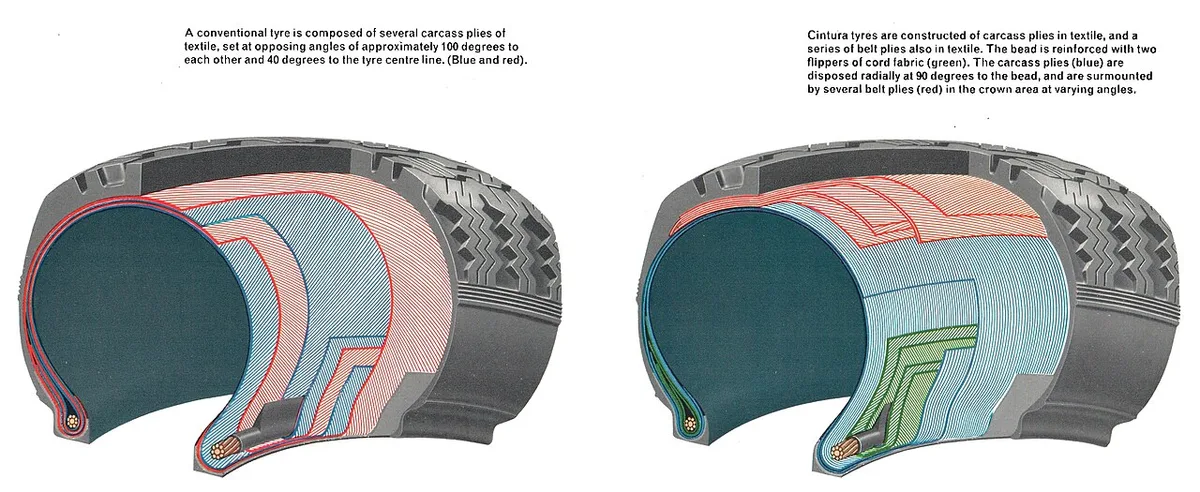
Image source: Wikimedia Commons / Pirelli
An index that only meets the placard is the comfort choice. It usually costs less and rides quieter. It fits a commuter car that rarely hauls a full load.
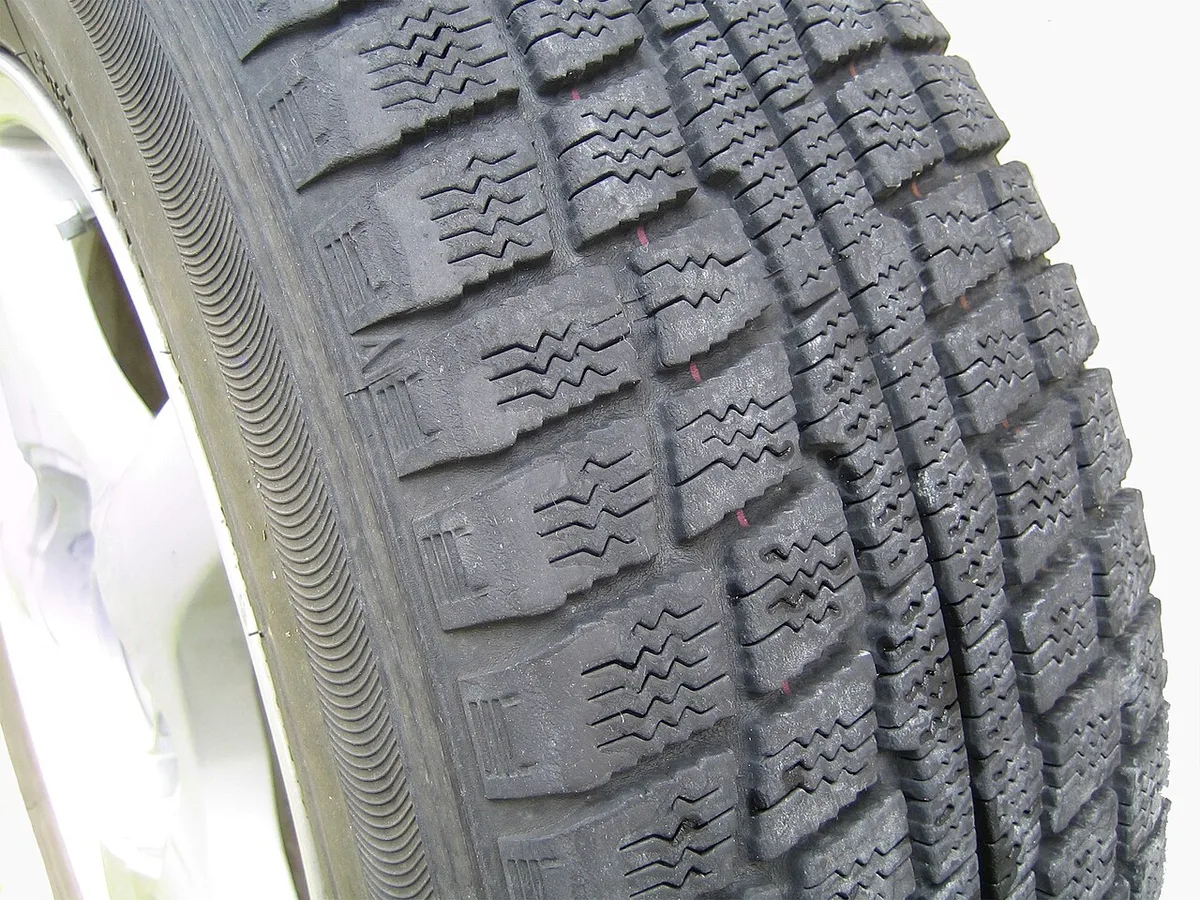
Image source: Wikimedia Commons / Lombroso
Higher index upsides:
- More pounds per tire before overload
- Steadier feel with cargo or a trailer
- Extra heat margin on long grades
Higher index costs:
- A firmer ride on broken pavement
- A higher price in most lines
- A little more weight and fuel use
Don't go under the placard just to save cash.
Side-by-Side Comparison of Common Load Index Values
These pounds come from the standard load index chart tire makers use. Each figure is the max for one tire at its rated pressure.
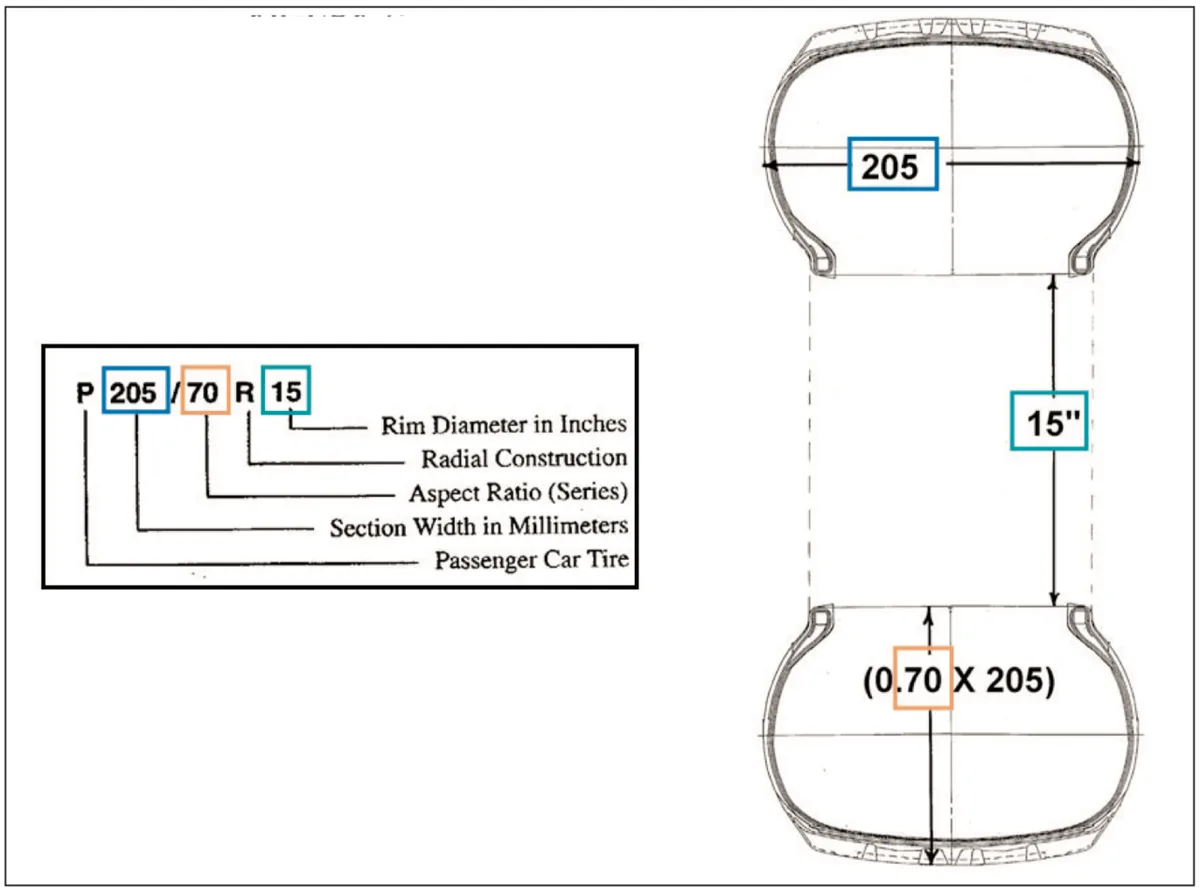
Image source: Wikimedia Commons / Employee of the U.S. Department of Transportation
| Load index | Max load | Best for |
|---|---|---|
| 91 | 1,356 lb | Cars and light crossovers |
| 95 | 1,521 lb | Heavier crossovers and small SUVs |
| 100 | 1,764 lb | Loaded SUVs and light hauling |
| 103 | 1,929 lb | Trucks that tow often |
| 110 | 2,337 lb | Work trucks and heavy cargo |
A move from 91 to 95 adds about 165 pounds per tire. Across four tires that is about 660 pounds of capacity. It does not lift the axle rating.
In our research, the placard beats a guess from tire size. Use 91 to 94 for daily driving near normal weight. Use 95 to 99 when you add a roof box or light towing.
Use 100 and above for frequent cargo or a trailer.
Tire capacity is not a recovery plan. If you are stuck while heavy, use a rated tow point, not a bumper edge.
Choosing the Right Load Index for Your Vehicle
Start at the driver door jamb. Write down the size, the cold pressure, and the load index. That's the minimum you can install.
- Choose a tire at that index or higher.
- Keep the same overall diameter so the speedometer stays true.
- Match the speed rating as well as the width and profile.
- Set cold pressure from the placard for normal driving.
- Recheck pressure monthly, before long trips.
Sidewall PSI is the tire's ceiling. It's not your everyday target. To use an extra-load tire at its full chart weight, follow the pressure that chart assumes.
Then confirm it still fits the vehicle limits.
On the sidewall, the index sits right after the size, as in 102H. People, gear, and tongue weight all count. If a pressure light stays on after a correct cold fill, a basic scan tool can show the weak corner.
Mounting matters too. Use correct stud torque so the wheel seats evenly. If the nuts are rusty or stretched, new wheel nuts keep the clamp load honest.
Frequently Asked Questions
What does a tire load index number mean?
It is a code for the maximum weight one tire can carry at its rated pressure. The number is not pounds by itself. You convert it with the standard load chart.
A 91 means 1,356 pounds. A 100 means 1,764 pounds. You'll find the code on the sidewall after the tire size.
Can I use a higher load index than the placard lists?
Yes. Size and speed rating still have to match the car. Extra index adds capacity, not a higher GVWR.
The ride usually firms up. Set cold pressure from the door placard for daily use. Sidewall PSI is the maximum, not the everyday number.
What happens if my load index is too low?
The tire flexes too much for the weight on it. Flex turns into heat. Heat can break the belts and cause a blowout, sometimes with tread that still looks fine.
You can also lose coverage and fail a safety check. Never go below the index on the door placard.
Does a higher load index hurt gas mileage?
Often a little, not a lot. Heavier, stiffer tires take more energy to roll and to spin up. Drivers usually notice ride harshness before they notice the pump.
The drop is small next to underinflation or a roof full of cargo. Keep pressure correct and the penalty stays modest.
