
If you're wondering what is a PHEV, you're not alone. Many drivers face rising fuel costs and want greener options. A PHEV combines electric driving with a backup gasoline engine.
It offers flexibility without the range anxiety of a pure EV.
Per EPA testing, the average PHEV achieves 45 MPGe. That figure combines electric and gasoline efficiency into a single rating. Understanding this number helps you compare real‑world fuel savings.
Below is a concise definition that clears up the confusion.
What Is a Phev
A PHEV is a plug-in hybrid electric vehicle. It runs on electric power first, then a gasoline engine. Battery capacity typically ranges eight to fifteen kilowatt‑hours.
Electric‑only range is usually twenty to fifty miles. It can be charged from a standard wall outlet.
Why PHEVs Matter: Pain Points & Real Needs
Common frustrations buyers face
- Unexpectedly high upfront price compared to regular hybrids.
- Confusion over MPGe versus MPG, leading to unrealistic fuel‑cost expectations.
- Limited electric range in cold weather, reducing perceived benefits.
- Lack of nearby charging options for plug‑in models.
What a PHEV solves
- Provides electric‑only driving for short commutes, cutting gasoline use.
- Offers gasoline backup for longer trips, eliminating range anxiety.
- Qualifies for federal and state incentives that offset purchase price.
- Allows access to HOV lanes and reduced parking fees in many regions.
If you need to check fluid levels, see our guide on checking fluid levels. Understanding the real‑world savings helps justify the higher initial cost.
How a PHEV Works: Core Explanation
Electric‑only vs hybrid mode
In electric‑only mode, the motor draws power from the battery, producing zero tailpipe emissions. When battery charge drops below a threshold, the gasoline engine starts and works with the motor. This dual‑mode operation smooths power delivery and improves efficiency.
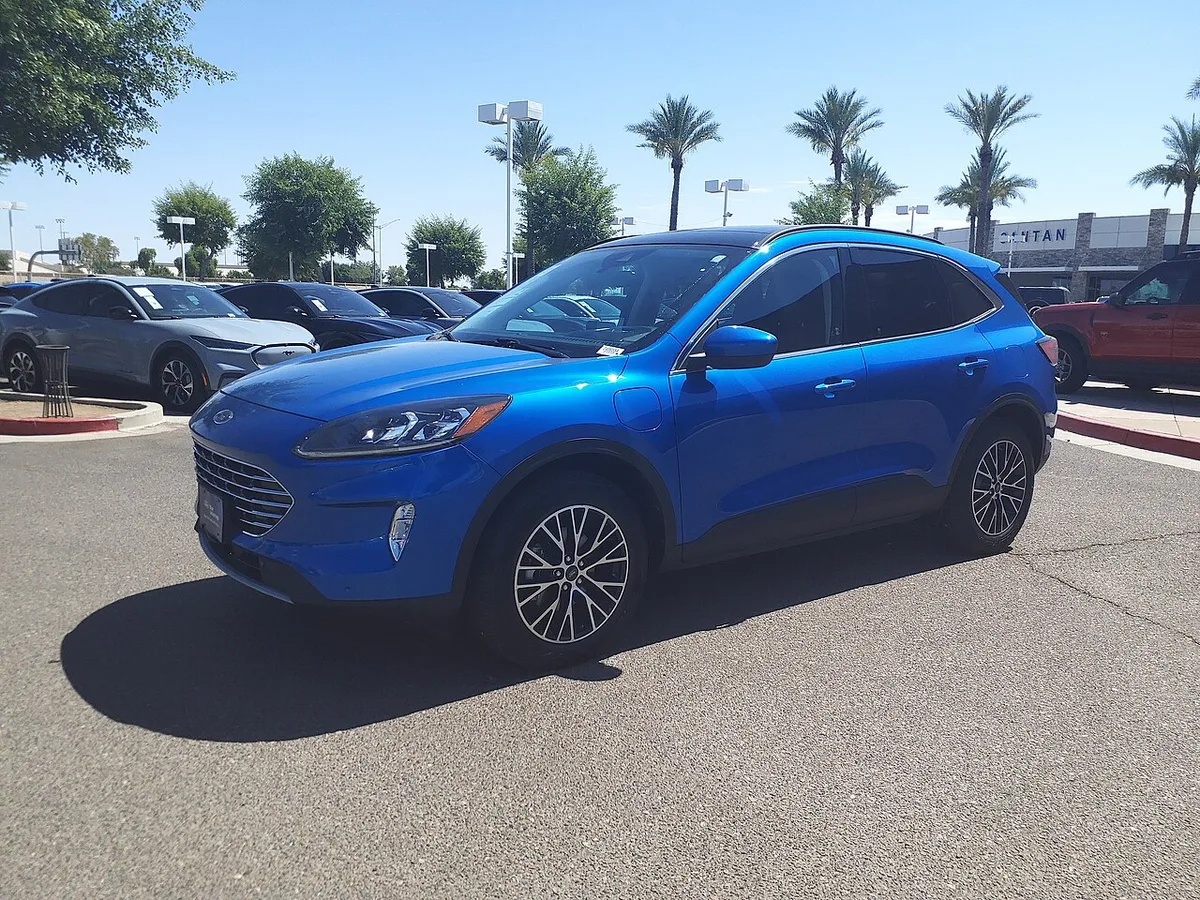
Image source: Wikimedia Commons / HJUdall
Battery, motor, and engine basics
The battery pack stores energy measured in kilowatt‑hours, typically 8, 15 kWh. The electric motor delivers instant torque, while the internal combustion engine provides sustained power at higher speeds. Regenerative braking recaptures energy that would otherwise be lost.
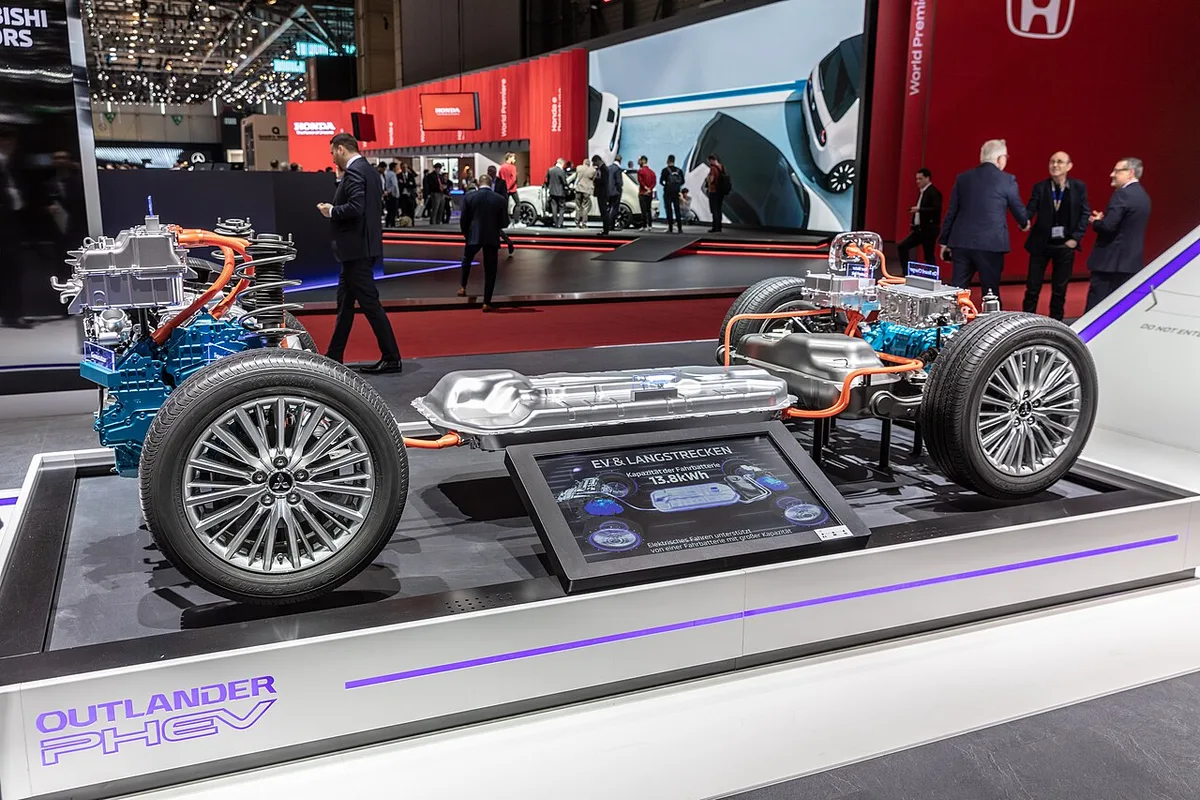
Image source: Wikimedia Commons / Matti Blume (CC BY-SA)
Charging and range explained
Level‑2 home charging restores most battery capacity in 2, 4 hours. Electric‑only range varies by model, usually 25, 55 mi per EPA estimate. For reference, see the EPA MPGe standard for official ratings.
| Model (example) | Battery (kWh) | Electric‑only range (mi) | Combined MPGe | Fuel‑economy (mpg) |
|---|---|---|---|---|
| Toyota Prius Prime | 8.8 | 25 | 58 | 52 |
| Ford Escape PHEV | 14.4 | 37 | 41 | 38 |
| Hyundai Ioniq PHEV | 8.9 | 29 | 52 | 48 |
When the battery is depleted, the gasoline engine takes over, delivering fuel economy similar to a conventional hybrid.
Benefits, Drawbacks & Ideal Users
Key advantages
- Up to 70 % reduction in gasoline consumption for daily driving.
- Federal tax credit up to $7,500 and additional state rebates.
- Access to HOV lanes and reduced parking fees in many cities.
- Lower tailpipe emissions compared with pure gasoline cars.
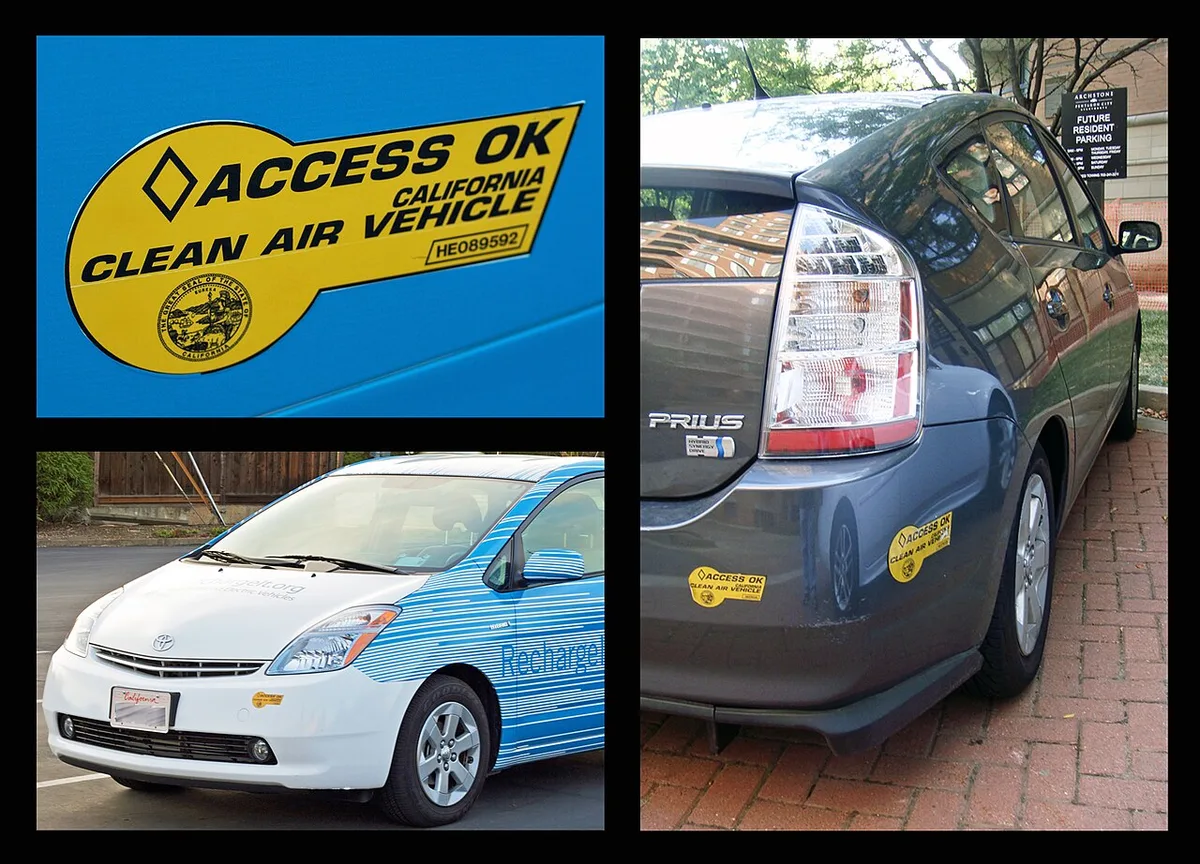
Image source: Wikimedia Commons / Mariordo Derivate work created by Mario Roberto Duran Ortiz (see ref to original pics used below) (CC BY-SA)
Main downsides
- Higher MSRP than comparable non‑hybrid models.
- Battery warranty typically 8 years/100,000 mi, adding long‑term risk.
- Cold weather can reduce electric‑only range by 10‑15 %.
- Two powertrains increase complexity and potential maintenance points.
Who it’s best for
- Commuters who drive 30 mi or less each day and can charge at home.
- Fleet operators seeking lower fuel costs and emissions reporting benefits.
- Drivers in states with generous PHEV incentives and HOV‑lane access.
If you’re budgeting for fasteners, check our guide on budget for fasteners.
Costs, Specs & Mistakes to Avoid
Typical MSRP, MPGe, warranty, and fuel‑economy data
- MSRP ranges from $32,000 to $48,000 for 2024 models.
- Combined MPGe varies from 41 to 120, depending on powertrain tuning.
- Battery warranty is generally 8 years/100,000 mi.
- Fuel‑economy improves with electric‑only use, especially in city driving.

Image source: Wikimedia Commons / Ken Lund from Reno, Nevada, USA (CC BY-SA)
Common pitfalls
- Ignoring the battery warranty can lead to costly replacements after 8 years.
- Under‑charging the battery regularly reduces overall capacity and range.
- Assuming MPGe equals MPG can cause unrealistic fuel‑cost expectations.
- Overlooking state incentives that can shave thousands off the purchase price.
Quick total‑cost‑of‑ownership check
- Add federal and state incentives to your budget.
- Estimate annual fuel savings using your daily electric miles.
- Factor in home charger installation cost (often $500, $1,500).
- Subtract expected maintenance savings versus a pure gasoline car.
For finding the tow hook on your vehicle, see our guide on finding the tow hook.
If you need to tighten bolts quickly, check our guide on tightening bolts quickly.
For a deeper dive into tax benefits, visit IRS tax credit details.
