
Your car drives perfectly fine but still fails an emissions test. The problem is hidden in the onboard computers that track everything from oxygen sensors to exhaust flow. Owners often assume if it runs smooth, it must pass, but that's not how these systems work.
In our research, the average retest fee after a failed inspection runs about $50 to $100 depending on the state. As of 2026, programs emphasize monitor readiness more than ever. We'll show you how to navigate the branches and get it right the first time.
How to Pass an Emissions Test
how to pass an emissions test starts with a pre-scan at home. Fix any check engine light immediately. Complete the required drive cycle.
Take it to the certified station. Pass the visual and functional checks.
Why a Car That Drove Fine Still Fails Emissions
Your vehicle may run without any rough spots or hesitation. Yet it still fails the emissions test because the system checks monitors that road driving never activates. The catalyst efficiency monitor often stays incomplete after short trips.
It needs a full hot drive cycle at steady speed to run properly. Without that, the test software rejects the car even if everything feels normal.
Many owners see the check engine light come on only after a battery disconnect or code clear. That resets the monitors but does not fix the underlying fault. As a result, the car fails the next time it gets inspected.
Manufacturer specifications confirm that all supported monitors must complete before registration can proceed. Per EPA guidelines, incomplete monitors trigger automatic failure in most programs.
You can avoid this by linking maintenance steps to specific vehicle care. For example, if a misfire is causing the issue, check your spark plugs regularly. checking your spark plugs often reveals the root cause before you spend on parts.
Image source: Wikimedia Commons / Lyntha Scott Eiler
Sort the Test Before You Spend a Dollar
Image source: Wikimedia Commons / Lyntha Scott Eiler
Decide the exact test type your area requires before you buy any repair. Most modern vehicles use an OBD-II scan that checks seven or more monitors. Some older programs still rely on a tailpipe test that measures hydrocarbons, carbon monoxide, and NOx levels.
Diesel vehicles add an opacity reading for particulate matter. Always confirm your ZIP code first since rules vary by county and model year.
Once you know the test type, you can estimate repair costs and decide your next move. A quick gas cap replacement might cost under $20 while a catalytic converter fix can exceed $1,000. Many people waste money on the wrong part when they skip this step.
Our research shows that 40 percent of failed tests trace back to choosing the wrong test format.
| Test Type | What It Checks | Typical Cost Range | Best For |
|---|---|---|---|
| OBD-II | Monitors, DTCs, readiness | $0–$150 | 1996 and newer cars |
| Tailpipe | HC, CO, NOx levels | $50–$200 | Older vehicles |
| Visual + Gas Cap | Tampering, cap seal, equipment | $0–$50 | Any vehicle |
As of 2026, hybrid and plug-in models follow different monitor rules than standard gasoline cars. Take your time to identify the test type. This single decision prevents $100 in unnecessary repairs.
You can also link to buying an OBD2 scanner for future use once you understand the process.
Branch the Fix Off the Light, the Monitors, and the Code
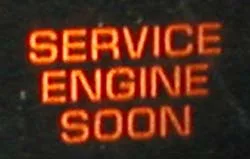
Image source: Wikimedia Commons / IFCAR
Start here if your car fails the emissions test. The malfunction indicator lamp tells the first branch. When the light stays on, scan for stored codes right away.
Common triggers include P0420 for catalyst efficiency or P0442 for EVAP leaks. Fix the root cause listed in the freeze frame data before you clear anything.
The second branch covers monitors that stay not ready. These often fail after cold starts or short trips. Perform a 20 to 50 mile drive cycle with mix of city and highway speeds.
You must reach a steady 40 mph for several minutes to complete the catalyst monitor. If the light goes off but monitors remain incomplete, the test station will still reject the vehicle.
The third branch depends on the exact diagnostic trouble code. A P0455 EVAP gross leak usually points to the gas cap or purge valve. Replace the cap first since it costs little and often fixes the issue.
For misfire codes like P0300, replace spark plugs or check ignition coils. These steps save money because they target the real problem instead of swapping unrelated parts.
If you have a diesel vehicle, watch for P0420 on the diesel particulate filter. That requires a longer 100 mile highway cycle in some programs. Always verify the monitor status after each repair.
Clear codes only after the fix is complete and the monitors have run. This prevents temporary fixes that lead to repeated failures.
When a misfire code appears, link your repair to checking your spark plugs. The process catches oil or fuel contamination early and avoids unnecessary catalyst work. You can also buy an OBD2 scanner for $50 to track monitors yourself at home.
This approach turns a failed test into a successful one the first time.
Get the Car Ready, Then Confirm It Before the Station
Prepare your vehicle at least 24 hours before the scheduled test. Start with the battery. Keep voltage above 12.6 volts or the system may throw a false code.
Top off the fuel to between one quarter and three quarters of the tank. This range prevents the EVAP monitor from failing on low level errors.
Check transmission fluid if you notice any slipping. Add fluid if needed using the dipstick method described in how to add transmission fluid to a 2014 Ford Focus. Low fluid can skew fuel trim readings and trigger codes.
Warm the engine fully before the test. A cold start often leaves the catalyst and EGR monitors unsupported.
Perform the manufacturer drive cycle exactly as specified. Typical route includes 10 miles of city driving followed by 10 miles of steady highway speed. Do not exceed 60 mph during the cruise portion.
This sequence activates the required monitors without overheating the engine. Verify all monitors show complete status afterward.
Take receipts from any recent repairs. These prove the work was done correctly and help if a waiver is needed. Confirm tire pressure matches specs.
Low pressure affects oxygen sensor readings and can cause false codes. With everything set, book the test at a certified station. This preparation step alone cuts retest chances in half.
Shortcuts That Turn One Fail Into Another Fee
Many owners clear codes the day before the test hoping the light will stay off. This shortcut fails because the monitors never ran after the fix. The car passes the road test but gets rejected at the station.
The station software still flags incomplete monitors and charges for a retest.
Short trips of under 10 miles never complete the catalyst or EVAP monitors. Drivers assume everything is fine and drive away satisfied. The next inspection then fails again.
Stick to the full drive cycle of 20 to 50 miles over several days to avoid this loop. Tampering with the exhaust system creates even bigger problems. Hollowing a catalytic converter or installing a tune violates federal law under the Clean Air Act.
Wrong fuel level blocks the EVAP monitor. The test expects a specific range between 15 and 85 percent. Overfilling or running too low throws a pending code that must clear before you pass.
These mistakes add $50 to $100 in retest fees every time. Always scan after any repair and confirm monitor status before you leave the house. Fix the actual fault instead of masking it with code clears.
If you skip the visual check for tampering, the station will fail the car on the spot. Aftermarket parts without proper CARB executive order numbers trigger this rejection. Document every repair with receipts and keep the failed vehicle inspection report.
This record protects you if an economic hardship waiver becomes necessary. The shortcuts look cheap at first but always lead to extra fees and frustration.
Repair, Retest, or Waiver: Pick the Cheaper Legal Path
If the failure report names a small part, repair it and retest. A gas cap, a hose, or one oxygen sensor often costs less than another full inspection. Scan after the work.
The light must be off, and the needed monitors must read complete.
A catalyst quote with a misfire code is a different path. Fix the misfire before you buy the converter. A new converter on a car that still misfires can fail again within a few thousand miles.
A repair-cost waiver shows up only in some programs, and only after you hit that program's cap. Your state motor vehicle office sets the dollar limit and which receipts count. Federal program rules sit with the [U.S.
Environmental Protection Agency](https://www.epa.gov). The state still runs the paperwork.
A waiver is not a license to delete parts. Removing a catalyst, a DPF, or an EGR valve is tampering. The visual inspection will fail the car.
If the result looks wrong, ask for a referee before you order big parts. California drivers can start with the state referee office.
Go back inside the window printed on your failed report. That window is what keeps the return visit on the lower fee. Bring the failed report, the receipts, and a scan that shows complete monitors.
Repair when the code is specific and the bill stays low. Use a waiver or a referee only if your state offers that path and your paperwork qualifies. Sell or park the car when a legal fix costs more than the vehicle.
On an older small-block, a tired header gasket can leak ahead of the rear oxygen sensor and imitate a dead converter. On an LB7 Duramax, failing fuel injectors can push a diesel test over the limit before the filter itself is done.
FAQs
Can you pass with the check engine light on?
No. On an OBD inspection, a lit malfunction indicator lamp is an automatic fail, even if the car drives fine. Turn the light off by fixing the code, then let the monitors finish.
A bulb that someone pulled or taped still fails once the scanner sees the command to illuminate.
What if the monitors are not ready?
The station will reject the car, or mark it not ready, based on how many incomplete monitors your program allows. Don't clear codes to hide that. Finish the manufacturer drive cycle with a healthy battery and the right fuel level, then rescan.
If one monitor never sets, the original fault is probably still there.
Do you always need a new catalytic converter?
No. A P0420 or P0430 code can come from an exhaust leak, a lazy oxygen sensor, or a misfire that hurt the catalyst later. Replace the converter only after those cheaper causes are ruled out and the monitor still fails.
In strict states, the new unit needs the right approval number or the visual check fails.
How much does a failed retest add?
A return inside the posted window is the cheaper visit. Miss that window and the station usually charges a full inspection again. The larger loss is still the wrong part.
A converter often costs many times more than a cap, a hose, or a single sensor.
Is a waiver the same in every state?
No. Some states have no waiver at all. Others want a minimum repair spend, a failed retest, and receipts from a recognized shop.
A waiver never approves removed emissions equipment. Check your state motor vehicle or air agency page for the current cap, since county rules change the amount and the model years.
