
A split radiator hose can dump coolant fast and leave you stranded with an overheating engine. Knowing how to replace a radiator hose saves a tow and a shop bill if the leak is just the hose. You'll need a cold engine, the right molded hose, fresh coolant, and about an hour or two.
Manufacturer specs and SAE J20 hose ratings are what keep a replacement from ballooning under pressure. Most caps hold the system near 15 psi, and a 50/50 coolant mix is the usual fill. As of 2026, that mix still protects well below freezing and raises the boil point.
The short version of the job is next.
How to Replace a Radiator Hose
How to replace a radiator hose starts with a cold engine. Drain the coolant into a clean pan. Loosen the clamps at each hose end.
Twist the old hose free without cracking the neck. Fit the new hose, refill, and bleed the air.
Signs of Failing Radiator Hoses
You'll usually see the trouble before the hose lets go. Look for cracks near the clamp, a soft bulge, or crusty coolant where the hose meets the neck. A sweet smell and a slick puddle under the front point the same way.
Squeeze each hose only when the engine is cold. A sound hose feels firm and springs back. Mushy spots, deep cracks, or a hose gone rock hard mean it's finished.
The lower hose can collapse from a broken inner spring, and you won't see that from above.
If the gauge climbs or you see steam, shut the engine off. Keep driving and you can warp the head. If you're stuck roadside, a proper tow hook is how the truck should pull the car.
Key Components You'll Identify in the Cooling System
A radiator hose is the reinforced tube that moves coolant between the radiator and the engine. The upper radiator hose runs to the thermostat housing. The lower radiator hose runs to the water pump, and many hide a wire coil so suction doesn't flatten them.
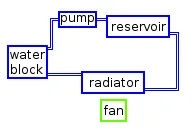
Image source: Wikimedia Commons / KVDP (CC BY-SA)
That photo shows the molded curve you need to match. A straight length often kinks on a tight bend. The clamp sits on the smooth neck, just behind the raised bead.
Check the inside diameter against the neck, not against a swollen end of the old hose. Ends flare with age and will lie to you.
| Item | Role |
|---|---|
| Drain pan | Catches used coolant |
| Clamp pliers | Opens spring clamps |
| Molded hose | Follows the factory bends |
| Correct coolant | Refill after you bleed air |
If the lower hose hides under the frame, a simple wooden ramp setup gives you room. Gloves and glasses belong on. Coolant burns skin, and it poisons pets.
Visual Step-by-Step Guide to Replacing the Radiator Hose
Work only on a cold engine. Hot coolant is under pressure and will spray if you open a cap or a clamp.
Some electric fans spin even with the key off. Pull the negative cable if your hands will be near the blades.
- Photograph the hose path before you touch a clamp.
- Set a drain pan under the petcock or the lower hose.
- Open the drain, or ease the lower hose off once the clamp is loose.
- Pop the clamps. Spring clamps need real clamp pliers.
- Twist the hose gently. If it's bonded on, slit the rubber and peel it. Don't pry on a plastic neck.
- Clean the fitting. Cracks, deep pits, or stuck rubber have to go.
- Slip clamps onto the new hose, then push it past the bead.
- Park each clamp behind the bead and snug it.
- Refill with the coolant named in the owner's manual.
- Bleed the air, warm the engine, and check for drips.
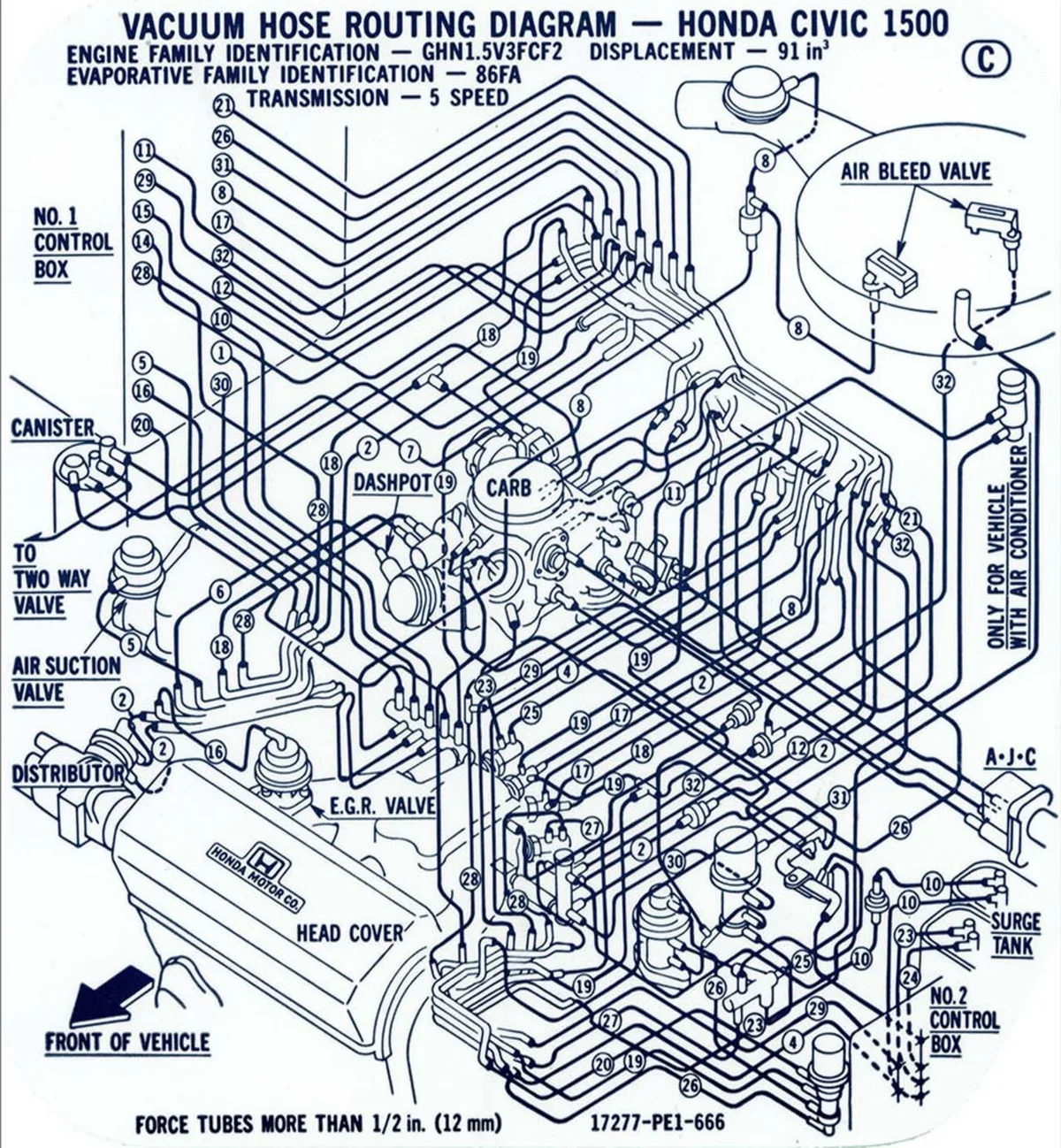
Image source: Wikimedia Commons / Honda Motor Co.
A hose routing diagram like this one stops you swapping the upper and lower hoses. Your bay will look different. Trust the photo you took and the shape of the old hose.
Don't pour used coolant down a storm drain. It's toxic to pets and covered by federal hazardous-waste rules. Once the gauge settles, a basic code reader will show if a temp code was stored during the overheat.
If a front wheel blocks the lower hose, pull the nuts with care. A powered lug tool is quicker, then finish by hand to the torque in the manual.
Common Mistakes to Avoid and Pro Tips
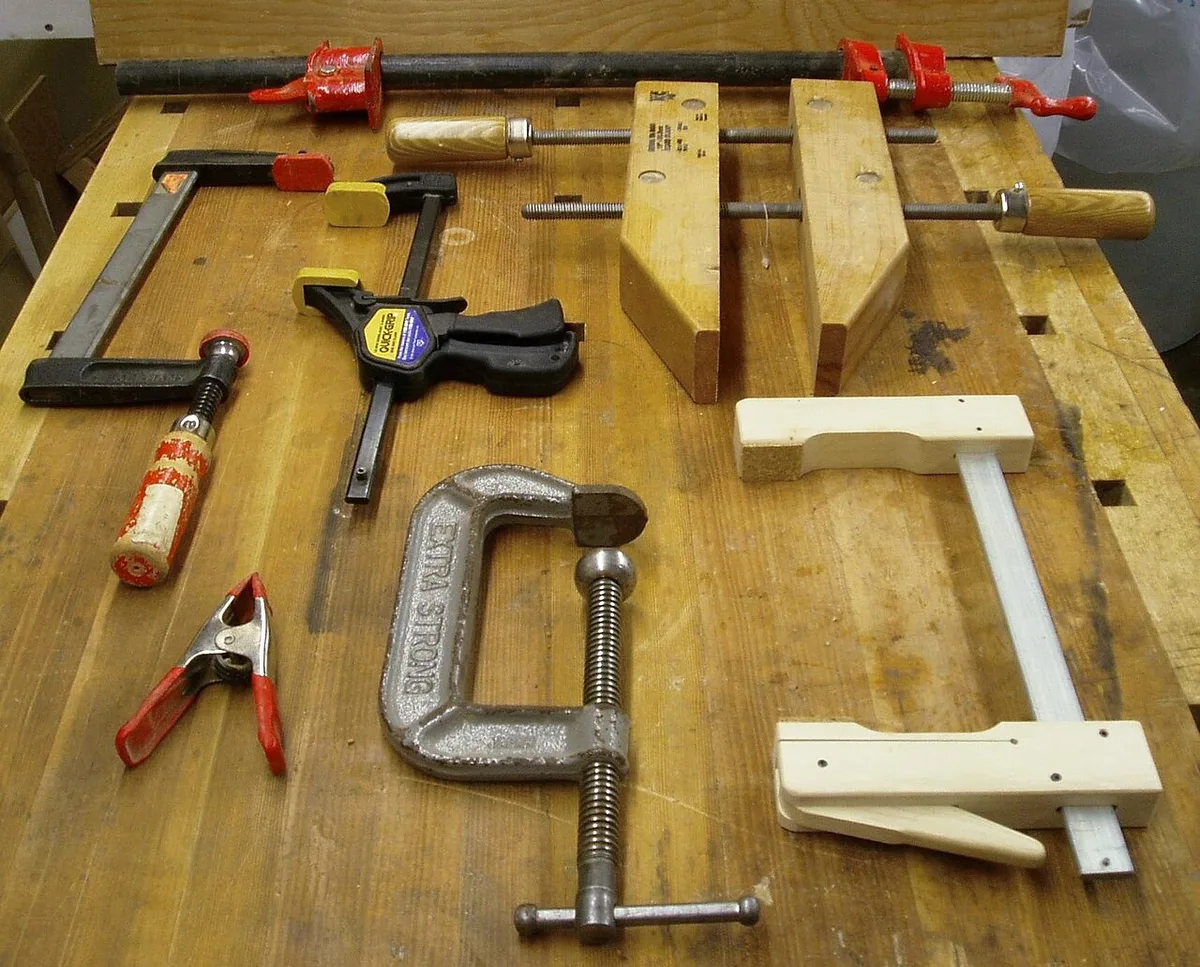
Image source: Wikimedia Commons / Luigi Zanasi (CC BY-SA)
These spring clamps are what most factories use. They keep tension as the rubber grows with heat. If you fit a screw clamp instead, stop when the hose just compresses.
Turn it until rubber squirts out and you'll slice the hose.
The plastic neck is the other trap. A hose that's welded on by age will not twist free. Cut it off.
Levering on the tank cracks it, and then you need a radiator.
Air left in the system mimics a bad repair. The tank looks full, the gauge spikes, and the heater blows cold. Idle with the heater on hot until the upper hose is hot end to end.
Top off, then check the level cold the next morning.
Not every wet plug boot is coolant. Oil sitting on the plugs is a separate leak, not a radiator hose fault.
Frequently Asked Questions
Can you drive with a leaking radiator hose?
No. A small seep can open up once heat and pressure rise. You can dump the coolant in minutes and warp a head.
If you see steam or the gauge climbs, shut the engine off and let it cool. Tow the car if the hose is already soft and wet.
How long does it take to replace a radiator hose?
Most molded hose jobs take about one to two hours for a first attempt at home. Buried lower hoses and rusted clamps add time. Waiting for a fully cold engine often takes longer than the wrench work.
Don't treat this as a quick parking lot fix.
Should you replace both radiator hoses at once?
Yes, when they are the same age. The hose that hasn't split is usually just as old. The second one adds little time because the coolant is already drained.
Squeeze nearby heater hoses too, and replace any that crack under your thumb.
What coolant should you use after the swap?
Use the exact type printed on the reservoir or in the owner's manual. A 50/50 mix of that antifreeze and distilled water is the usual fill. Don't grab a random bottle by color.
Incompatible coolants can gel and clog the radiator.
How do you get air out of the cooling system?
Fill slowly while the engine is cold. Turn the heater to full hot. Idle until the upper hose is hot, which means the thermostat has opened.
Squeeze that hose to push bubbles toward the neck, top off, and recheck the level the next cold morning.
