
What does p0217 mean? It’s a diagnostic trouble code for a faulty engine coolant temperature sensor. The code tells the powertrain control module the sensor is sending a voltage above the expected range.
Drivers usually see a check‑engine light and may notice overheating.
Per SAE J1699, the sensor should output between 0.5 V and 4.5 V at normal engine temperature. If the voltage exceeds 4.5 V, the PCM logs P0217 and illuminates the malfunction indicator lamp. Ignoring the code can lead to engine damage and higher repair costs.
Let’s break down what the code means and how to fix it.
What Does P0217 Mean
P0217 signals a high‑voltage reading from the coolant temperature sensor. It indicates the sensor voltage exceeds the PCM’s threshold. The Powertrain Control Module logs the fault and turns on the check‑engine light.
Typical sensor voltage range is 0.5 V to 4.5 V at operating temperature. Repair involves checking wiring, testing resistance, and replacing the sensor if needed.
How P0217 Works
The engine coolant temperature sensor measures engine heat and sends a voltage signal to the PCM. The PCM expects a voltage between 0.5 V and 4.5 V based on SAE J1699 specifications. When the sensor output climbs above 4.5 V, the PCM interprets it as a fault.
It then stores DTC P0217 and illuminates the malfunction indicator lamp.
The sensor is typically a three‑wire device with a 5‑V reference, ground, and signal line.
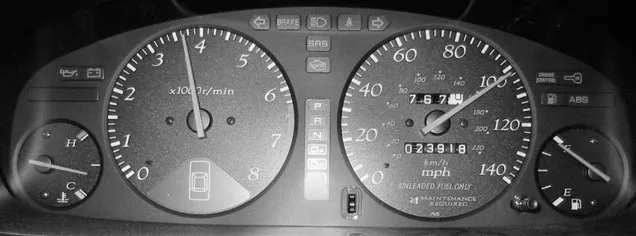
Corroded connectors or damaged wires can cause intermittent high readings. A faulty sensor may also drift out of spec as it ages.
| Condition | Expected Voltage |
|---|---|
| Engine off (ambient) | 0.5 V – 0.8 V |
| Engine warm (normal) | 2.0 V – 4.5 V |
| Fault condition | > 4.5 V |
Always disconnect the battery before handling the sensor to avoid short circuits. To verify, connect an OBD‑II scanner and watch the ECT voltage in real time using choosing a scanner. If the reading stays above 4.5 V while the engine is warm, the sensor is likely faulty.
Replace the sensor with an OEM part and clear the code with the scanner. After repair, road‑test the vehicle for at least 10 minutes to ensure the code does not return. Manufacturer specifications confirm the sensor must be replaced when resistance deviates from 2.5 kΩ at 20 °C.
For the official definition, see NHTSA’s DTC overview.
Step-by-Step Diagnosis And Fix
- Connect an OBD‑II scanner and read live data for ECT voltage.
- Inspect the sensor connector for corrosion and tighten if loose.
- Test sensor resistance with a multimeter at ambient temperature.
- If resistance is out of spec, replace the sensor with an OEM unit.
- Clear the DTC using the scanner and perform a road‑test.
If the code returns after replacement, revisit the wiring harness for hidden damage. When you also need to top up coolant, follow a similar procedure described in our guide on adding transmission fluid. A torque wrench ensures lug nuts are tightened to spec, which you can read about in our lug nut guide.
Refer to the SAE J1699 standard for exact voltage thresholds.
Common Mistakes, Safety, And When To Call A Pro
- Ignoring wiring corrosion leads to false codes.
- Skipping a coolant system pressure check can miss a leak.
- Using a cheap multimeter may give inaccurate readings.
- Forgetting to disconnect the battery risks electrical shorts.
Keep the engine bay clean to reduce corrosion and extend sensor life. If the sensor is hard to reach or you’re uncomfortable with electrical work, call a professional technician. A qualified shop can also verify that the cooling system is functioning properly.
If you plan to work under the hood, a light bar can help, as shown in our light bar install guide. For safe access to the undercarriage, wooden ramps can be used, detailed in our ramp building guide.
Frequently Asked Questions
Can a loose connector cause P0217?
Yes. A loose or corroded connector can cause intermittent high voltage readings that the PCM interprets as a fault. Tightening or cleaning the connector often resolves the issue without replacing the sensor.
How much does a replacement sensor cost?
An OEM coolant temperature sensor typically costs between $50 and $120, while aftermarket units range from $30 to $80. Labor to install the sensor is usually $80 to $120, depending on the shop rate.
Does P0217 affect fuel economy?
Indirectly, yes. A faulty sensor can cause the PCM to run the engine richer, reducing fuel efficiency. After repair, most drivers notice a small improvement in miles per gallon.
How often should I replace the coolant sensor?
Replace it only when a diagnostic confirms a fault or when resistance readings are out of spec. Sensors generally last 5 to 7 years, but harsh environments can shorten that lifespan.
